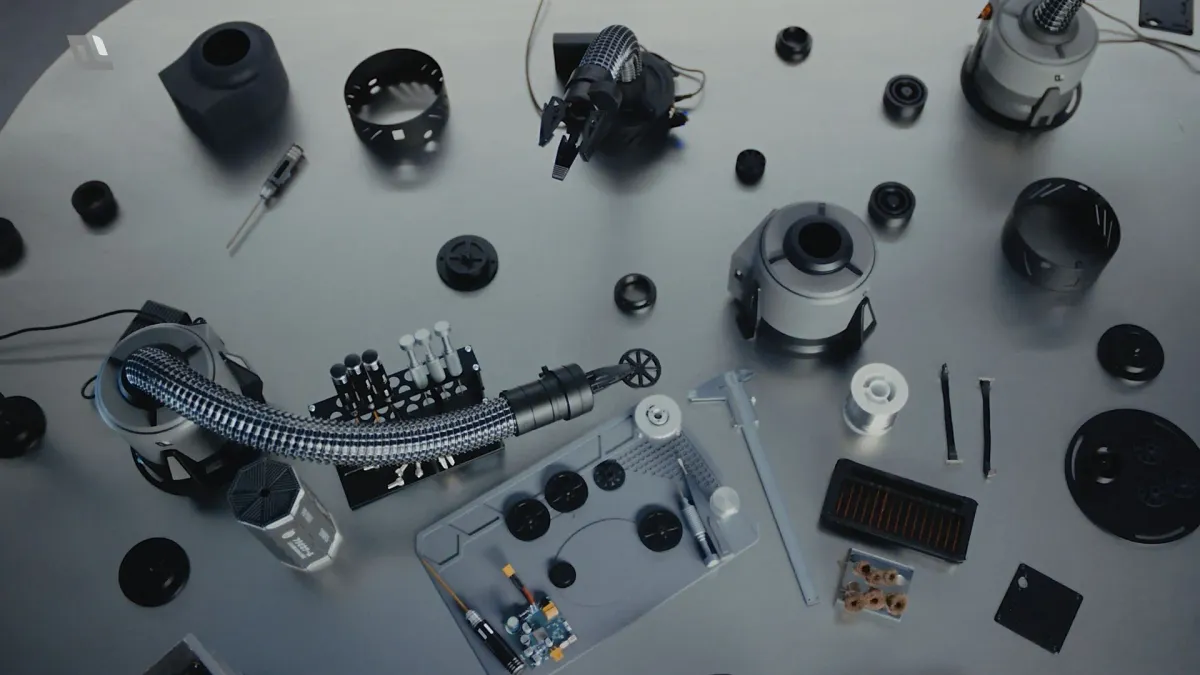
Most robot brains are a bit like that friend who only recognizes you if you're wearing the exact same outfit every time. Change the robot's body, and its intelligence often needs a complete wardrobe — ahem, re-education — change too. Feagine Robotics decided this was wildly inefficient and introduced Fi0, an AI model designed to keep its smarts even when it jumps between robots of different shapes and sizes.
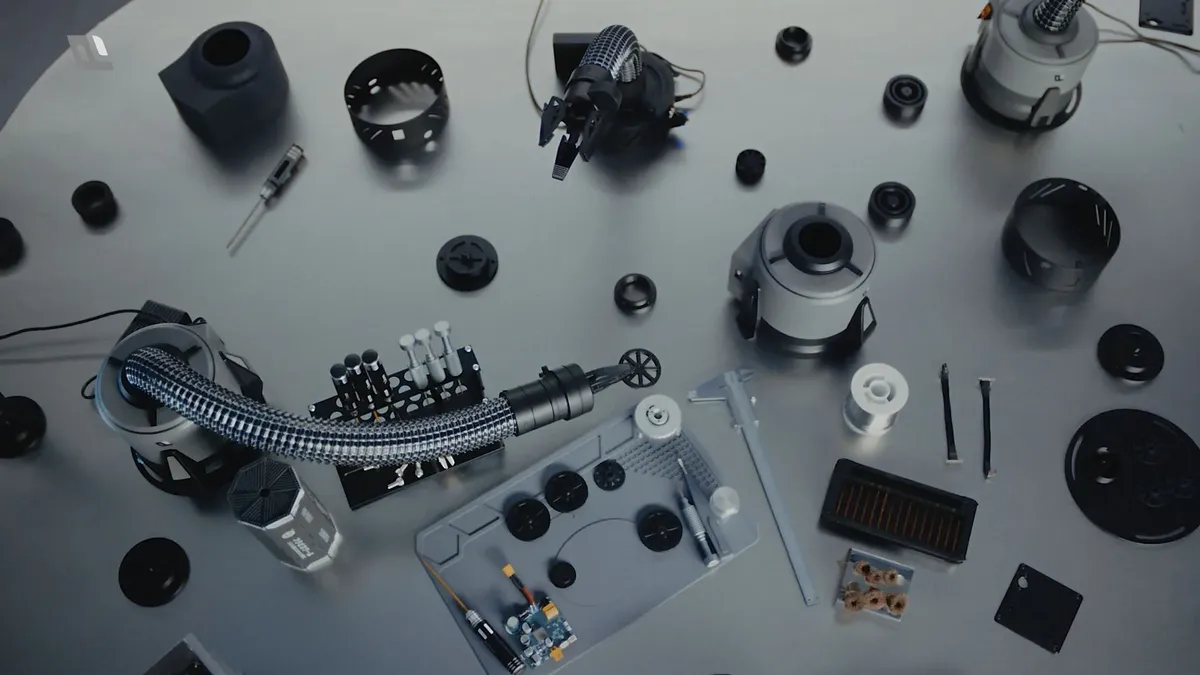
To prove its point, Feagine rolled out three delightfully squishy, flexible robot arms: A01, A02, and A03. Think of them as the 'Doctor Octopus' starter pack, each with different lengths, segments, and ways of wiggling. These arms aren't just for show; they're the testing ground for the idea that one AI can learn a task and then teach it to a whole diverse family of robots. Because, let's be honest, robots are doing a lot more than just bolting things together in factories these days.
The Brain That Knows Its Body
Here’s the rub: a robot's physical form dictates its entire vibe. A two-segment arm reaches for the coffee mug differently than a three-segment one. A longer arm can sneak up on an object from angles a shorter one can only dream of. And soft, bendy arms? They add a whole new layer of 'how did it do that?' complexity as they contort and reshape themselves mid-task.
We're a new kind of news feed.
Regular news is designed to drain you. We're a non-profit built to restore you. Every story we publish is scored for impact, progress, and hope.
Start Your News DetoxFeagine's three arms beautifully illustrate this. The A01 is a single flexible segment with two degrees of movement, weighing in at a svelte 750 grams and lifting 200 grams. The A02 boasts two segments, four ways to move, and can hoist 400 grams. And the grand finale, the A03, rocks three segments, seven degrees of freedom, stretches to 50 centimeters, and can lift a respectable 600 grams.
Instead of treating each robot as an entirely separate entity, Fi0 integrates the robot's physical structure and current state into its decision-making process. This is the core of what they call "cross-embodiment" intelligence. The goal remains the same; the robot just figures out how to achieve it with its particular set of limbs. Which, if you think about it, is both impressive and slightly terrifying.

One-Shot Learning: The Robot Whisperer
Fi0 isn't just about body-hopping; it's also designed to be a quick study. If it encounters a task it hasn't seen before, a human can simply demonstrate it once. The model then uses this single demo to grasp the task, skipping the usual endless training cycles. No more showing it 10,000 times how to pick up a pen.
So, if you show it how to move an object, the AI doesn't just slavishly copy your hand movements. Instead, it deciphers the objects involved, the sequence of steps, crucial contact points, and the desired final state. Then, it goes off and figures out how to achieve that same goal using its own unique, bendy body. It's like teaching your dog to fetch, and then it teaches all the neighborhood dogs.
This approach is part of a larger, exciting shift in robotics: building AI models that can share knowledge across a multitude of robot bodies, rather than each machine having to learn from scratch. Because, apparently, even robots hate reinventing the wheel.
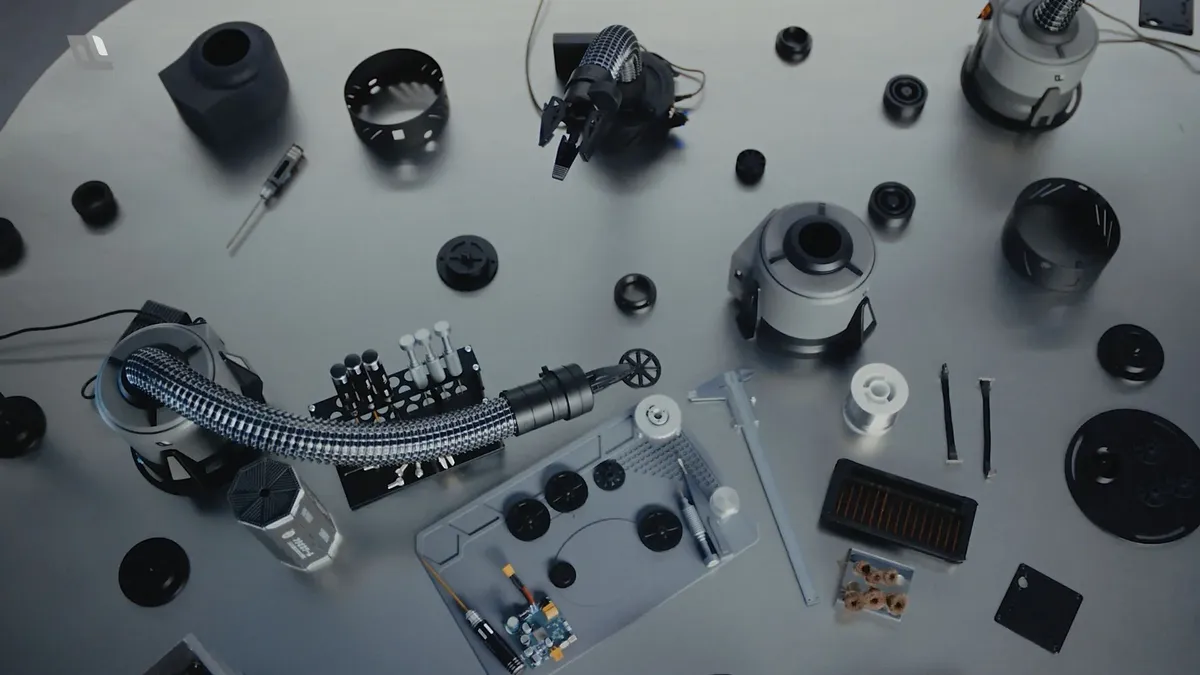
Feagine's choice of soft, flexible arms wasn't arbitrary. Traditional robot arms are mechanically straightforward. Soft arms, however, can continuously bend, change shape, and interact gently with their surroundings, making them a much tougher, and thus better, test case for this kind of adaptable AI. The company calls this "soft embodied intelligence," a concept that acknowledges the future of robotics probably isn't one universal robot, but rather a specialized fleet all sharing one brain.
Humanoid robots hog the headlines, mostly because human environments are, well, built for humans. But general intelligence doesn't always need a human-shaped body. Feagine's approach flips the script: instead of asking, "What single body can do everything?" it asks, "Can one intelligence control many specialized bodies?" Fi0 is still in its early days, but if it delivers, the future of robotics could look less like a uniform army and more like a highly specialized, incredibly smart, and delightfully diverse crew.