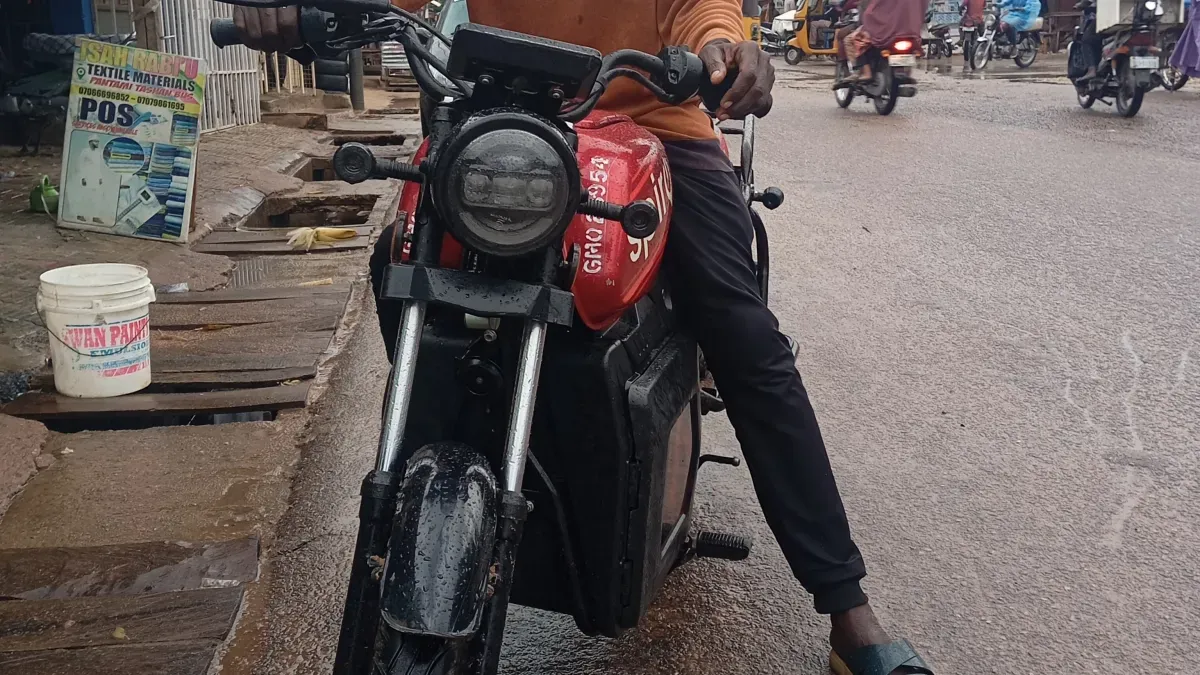
In Gombe, Nigeria, electric motorcycles are becoming more common. This shift is happening because petrol prices have gone up a lot, not because of climate policies.
These electric bikes are much quieter than petrol ones and produce no exhaust fumes. People are choosing them to save money on fuel after the government removed a fuel subsidy in May 2023.
The Impact of Fuel Subsidy Removal
President Bola Tinubu ended Nigeria's long-standing petrol subsidy in May 2023. This caused fuel prices to jump sharply. In Gombe, petrol now costs about 1,365 naira ($1) per liter, up from about 200 naira (15 cents) before.
We're a new kind of news feed.
Regular news is designed to drain you. We're a non-profit built to restore you. Every story we publish is scored for impact, progress, and hope.
Start Your News DetoxThis price hike has made transport more expensive and put a strain on household budgets. It also adds to worries about air pollution from older petrol-powered vehicles. Road transport is a big source of air pollution in Nigerian cities, according to the World Bank.
A Cheaper Way to Travel
Ayuba Abubakar, a farmer in Gombe, switched to an electric motorcycle after a friend visited. He was surprised by how little battery power his new bike used on a trip.
Ayuba said he can usually ride around Gombe all day without charging. He only charges it when he travels to far-off areas. He has used the bike for about three months and has not had major mechanical issues. He estimates he saves about 5,000 naira ($3.7) each week on fuel.
Other riders, like Ahmed Aminu, no longer buy engine oil. Yakubu Sule chose an electric bike because it is quiet. However, the bikes cost about 1 million naira ($735), which is still too expensive for many families.
Overcoming Power Challenges
A big challenge for electric motorcycles is Nigeria's unreliable electricity supply. Many homes only get power for a few hours daily.
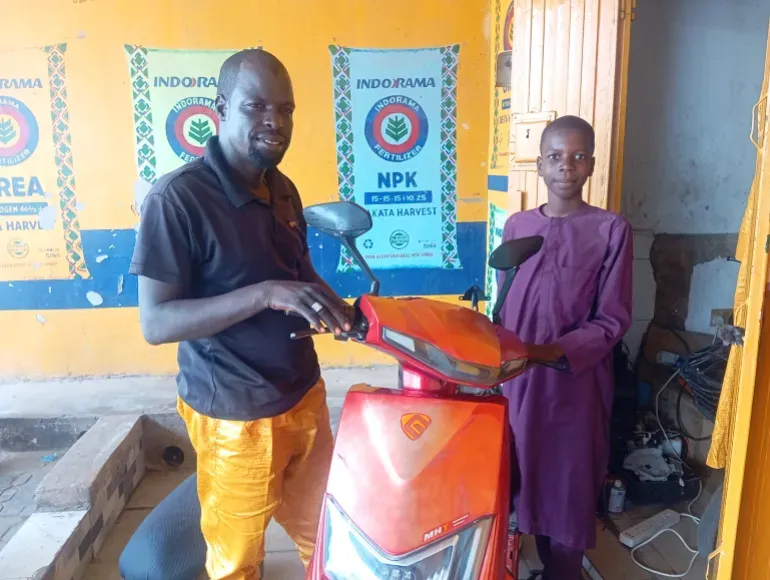
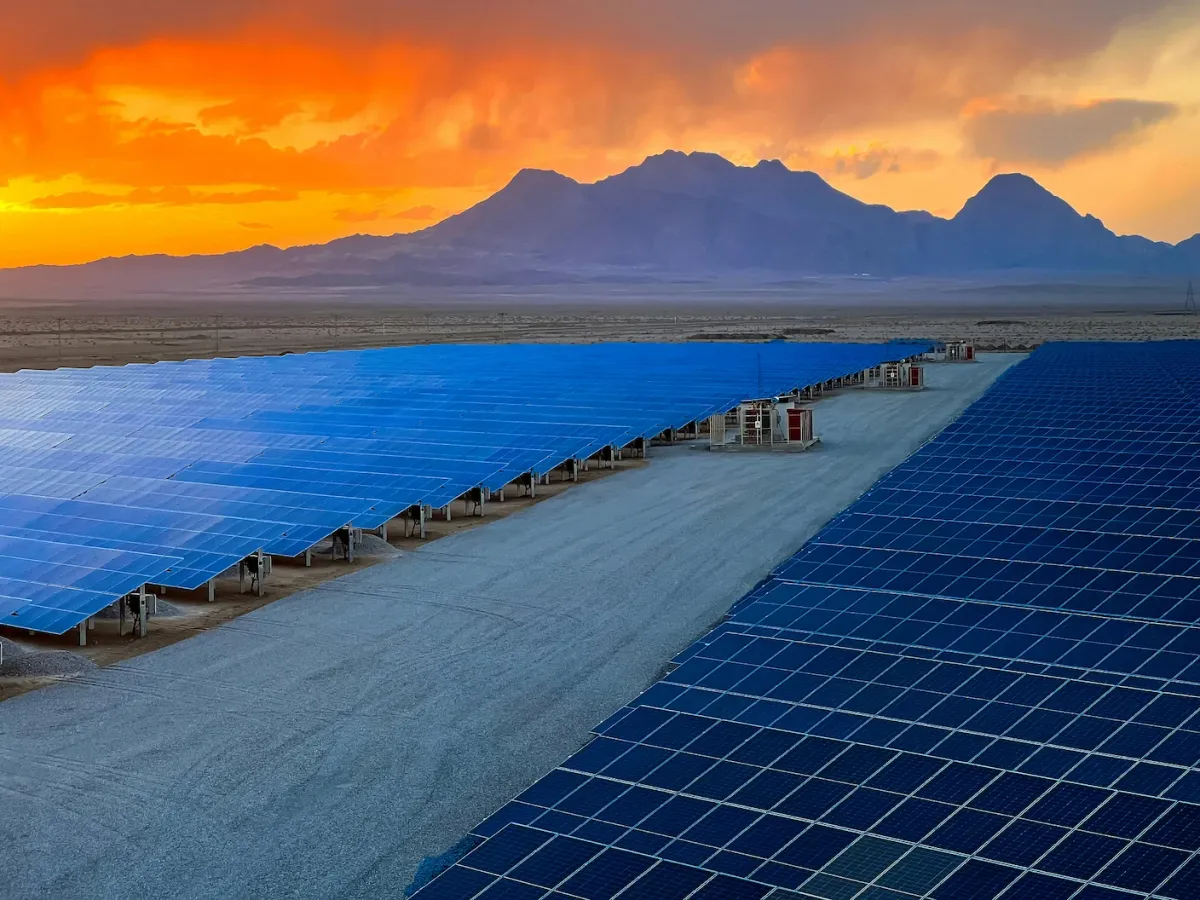
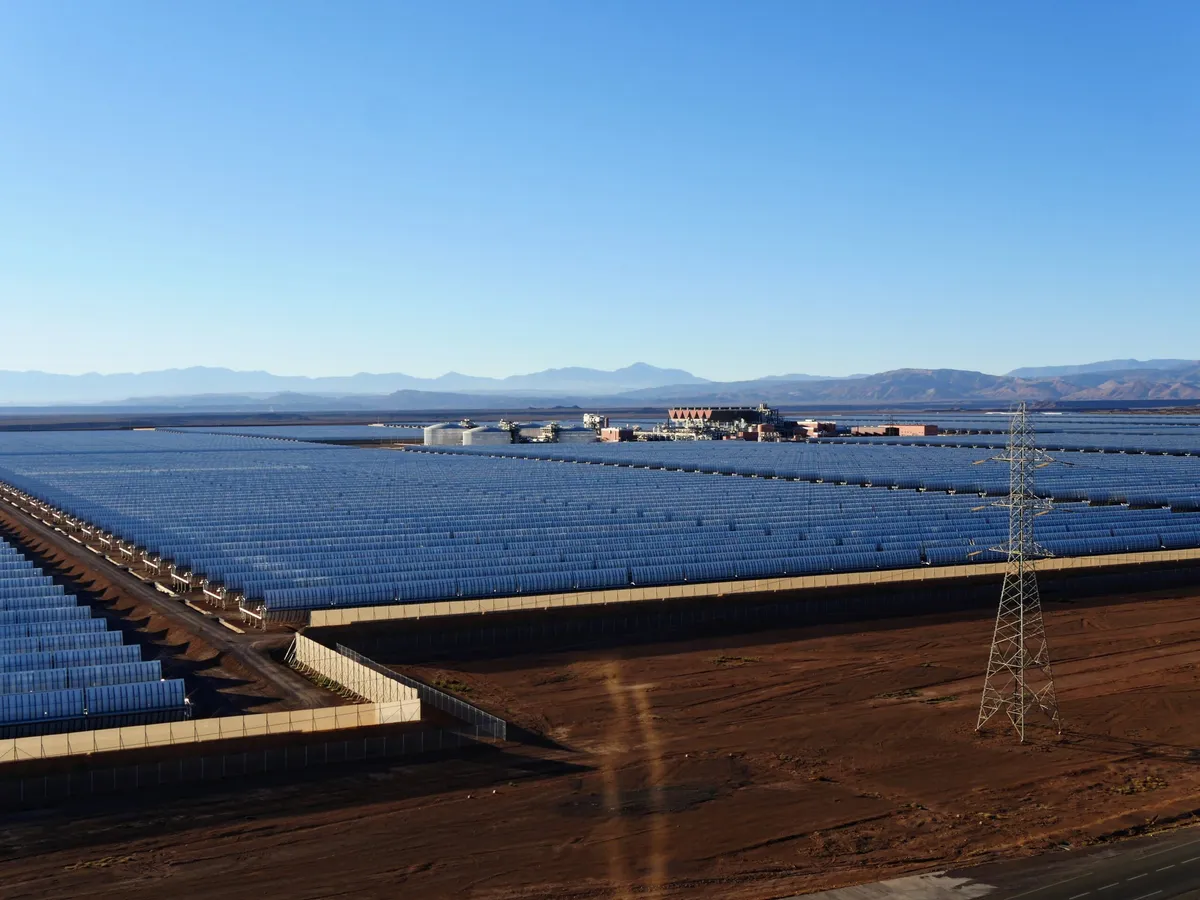
Muhammad Abubakar, CEO of Sustenaa, a clean-energy company, pointed out that charging bikes with generators defeats the purpose. It just moves emissions from the bike to the generator. He believes solar-powered battery-swap stations are a better solution than home charging.
Abubakar also stressed the need for battery recycling as electric transport grows. He urged the government to lower import duties on electric bike parts, support battery-swap operators, create recycling standards, and include electric mobility in existing solar mini-grid projects.
Electric motorcycles are still a small part of Gombe's transport. But with high fuel prices and more battery-swap options, these quiet bikes show how economic pressure is changing transport in Nigeria. Abubakar noted that even a small number of electric bikes could quickly improve air quality in cities like Lagos and Kano.