Japan's currency, the yen, was doing its best impression of a lead balloon, threatening to hit a 40-year low. So what's a major global economy to do? Call a friend, apparently. The U.S. and Japan just pulled off a rare joint intervention to prop up the yen, with Tokyo hinting there's more where that came from.
Because nothing says "global economic stability" like two of the world's biggest economies holding hands and screaming, "Stop that yen!" into the financial markets. This isn't just a friendly gesture, though. A plummeting yen can send ripples through the global economy, including putting pressure on rising U.S. Treasury yields. Nobody wants that.
According to U.S. President Donald Trump, who confirmed the move, Washington stepped in as a sign of friendship and to support the broader global economy. "Japan's currency was weakening and they needed some help," Trump stated, adding that the U.S. is "always there for Japan." Which, if you think about it, is both reassuring and slightly terrifying.
We're a new kind of news feed.
Regular news is designed to drain you. We're a non-profit built to restore you. Every story we publish is scored for impact, progress, and hope.
Start Your News DetoxAfter Trump's initial comments, the dollar actually dipped against the yen, backing off its recent 40-year high. Then, Japan's Ministry of Finance confirmed the joint action, and the dollar nudged back up a bit. Because markets love a good rollercoaster, apparently.
Why the Yen Needed a Boost
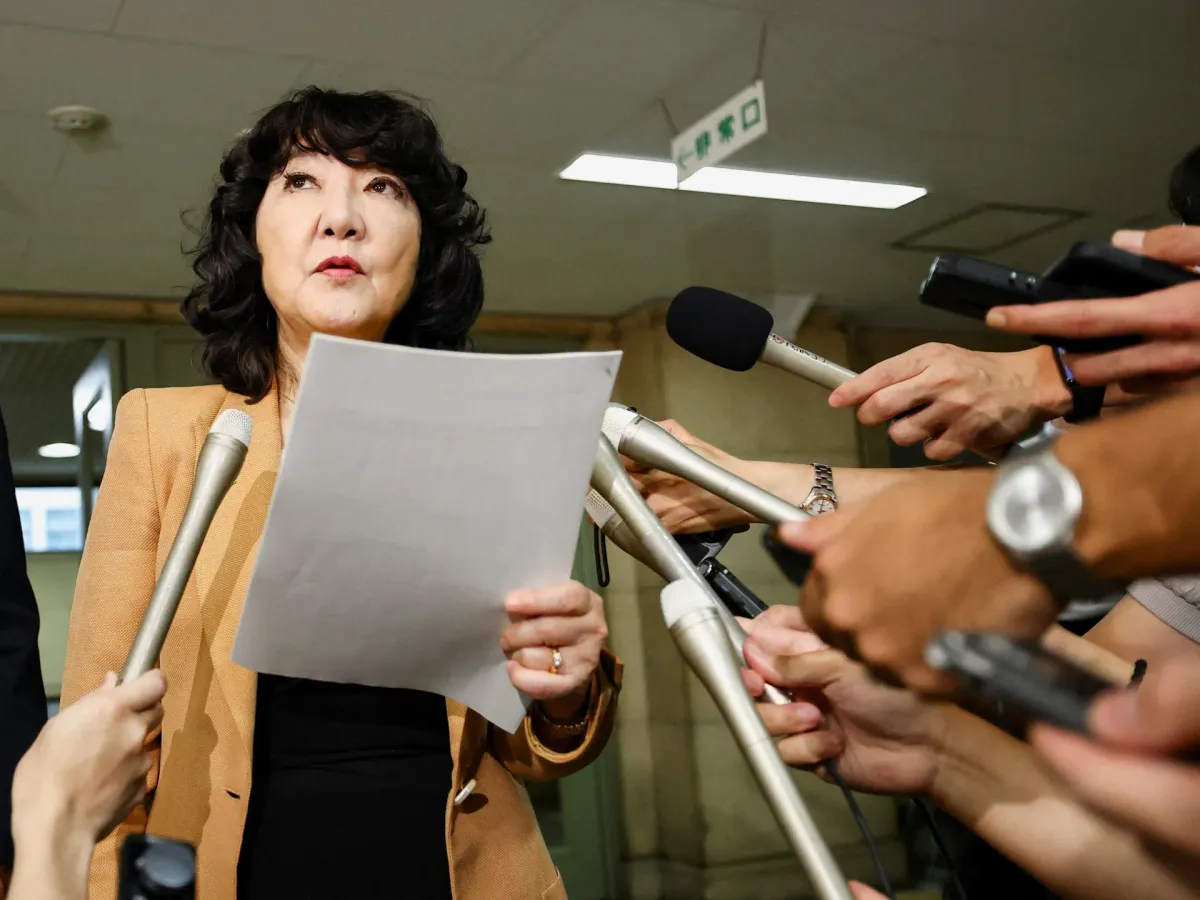
Japan has been trying to stop the yen's slide for a while. A weaker yen makes everything imported more expensive, driving up inflation and generally making life more difficult for everyday households. It's also not doing Prime Minister Sanae Takaichi's approval ratings any favors.
The official word from Japan's Finance Ministry is that this joint effort with the U.S. Treasury Department was all about "countering excessive volatility and disorderly movements." They also made it clear they "will not hesitate to conduct further joint intervention." That's financial speak for "we're serious, don't test us."
This marks the first time the two nations have intervened together since 2011, back when they teamed up to weaken the yen after a major earthquake. Different problem, same tag-team energy.
Before Friday's confirmed action, data from the Bank of Japan suggested Tokyo might have quietly offloaded nearly $59 billion to buy yen in New York markets on Thursday. Because sometimes, you just gotta get in there and buy your own currency back.
U.S. Treasury Secretary Scott Bessent was also on board, confirming the effort and echoing the sentiment that Washington "will not hesitate to participate in further joint intervention." Bessent has been a vocal supporter of Japan's efforts to fix the yen's undervaluation, even pushing for more interest rate hikes from the Bank of Japan.
And it seems the Bank of Japan is listening, recently dropping its clearest hint yet of an upcoming rate hike, even while keeping its current policy steady. Even South Korea got in on the act, buying its won currency on Thursday, showing a bit of global coordination. Because apparently, everyone's currency needs a little pick-me-up now and then.