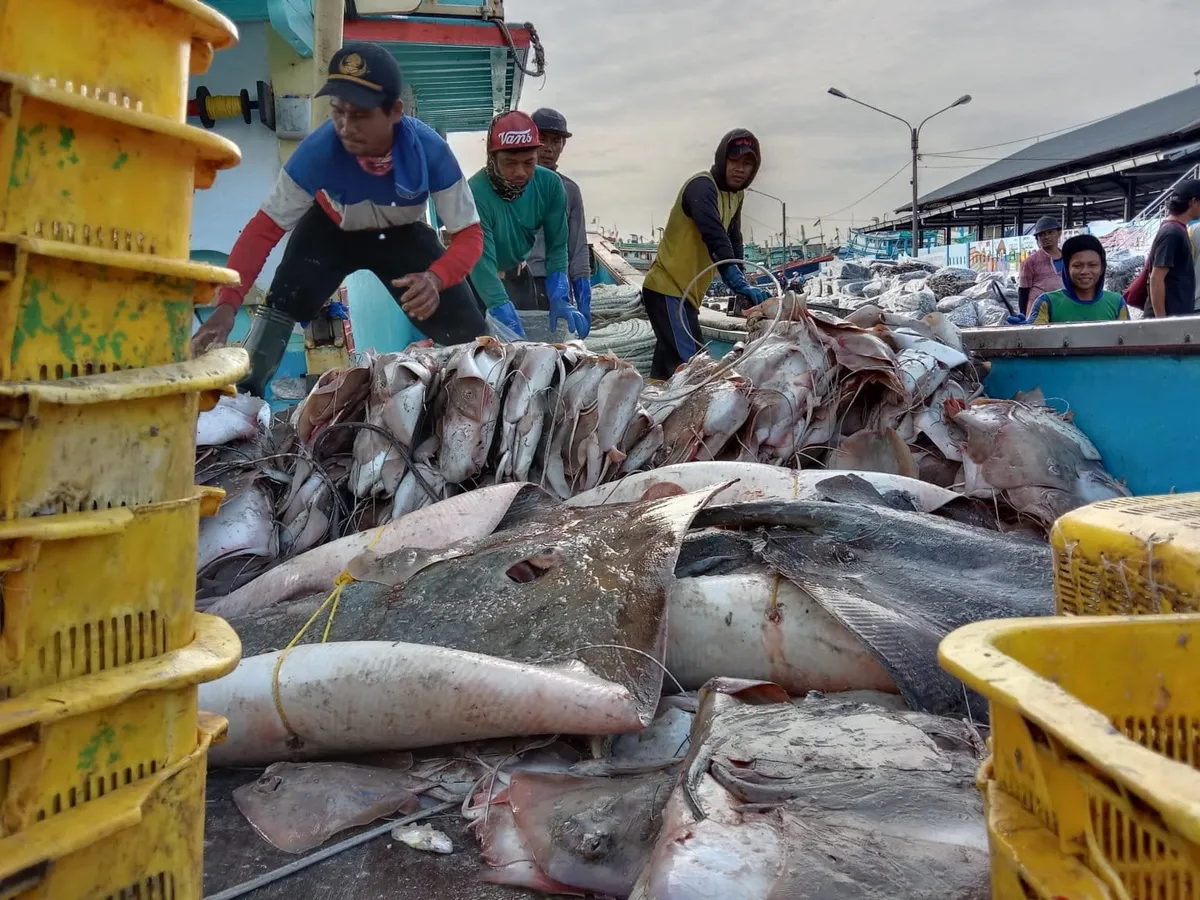
For 42-year-old Endi, a fisherman waiting at Jakarta's Nizam Zachman port, the math is simple: a primary school education doesn't get you far in construction. Fishing, while far from lucrative, offers just enough to keep his family afloat.
Deckhands like Endi pull in a princely 25,000 rupiah a day (that's about $1.40). Even a chief engineer, pulling in four times that, only sees around $334 for a two-month expedition. It's not enough, Endi admits, but it's work. And in a global industry notorious for exploitation, 'just enough' can feel like a win.
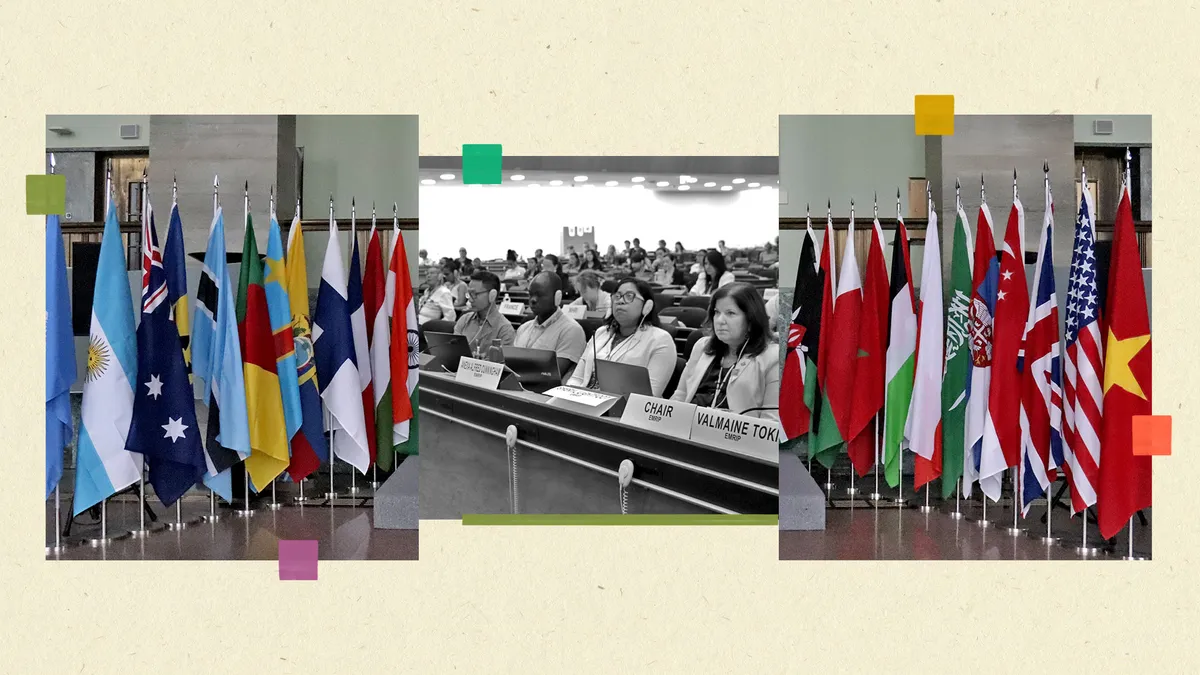
But things might finally be changing for the better. In April, Indonesia officially ratified the International Labour Organization’s Work in Fishing Convention of 2007 (ILO 188). This isn't just bureaucratic paperwork; it's a significant move to bring some much-needed humanity to one of the world's toughest jobs.
We're a new kind of news feed.
Regular news is designed to drain you. We're a non-profit built to restore you. Every story we publish is scored for impact, progress, and hope.
Start Your News DetoxThink of it as a comprehensive upgrade for every aspect of a fisherman's life at sea. The government now has a year to translate this international agreement into national law, covering everything from hiring practices and essential training to proper certification and crew management.
What the New Treaty Means
The convention lays out minimum standards for safety (because falling overboard is generally frowned upon), fair pay (no more $1.40 days, hopefully), decent working conditions, social security, legal protection, and — perhaps most revolutionary — adequate rest. Because apparently, even fishermen need a nap.
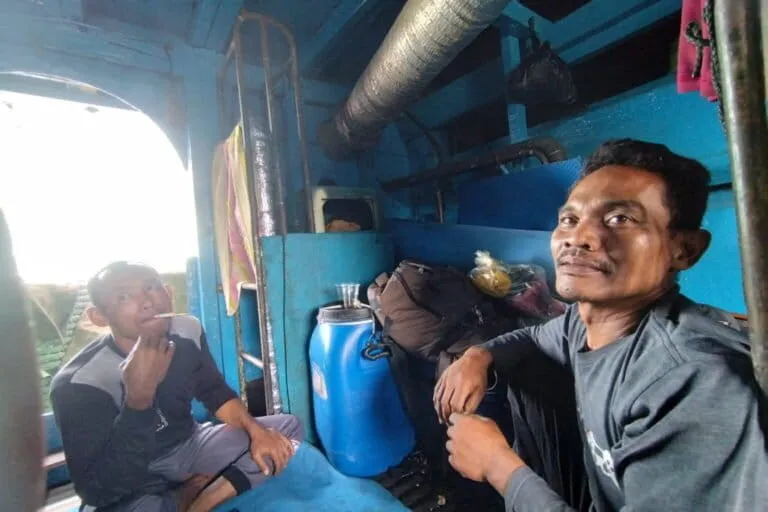
Indonesia is the 22nd country to ratify this convention, and given its massive fishing industry, it's a big deal. For thousands of fishers like Endi, it means the promise of a future where 'just enough' might actually become 'safe and fair.' Which, if you think about it, is a pretty good catch.