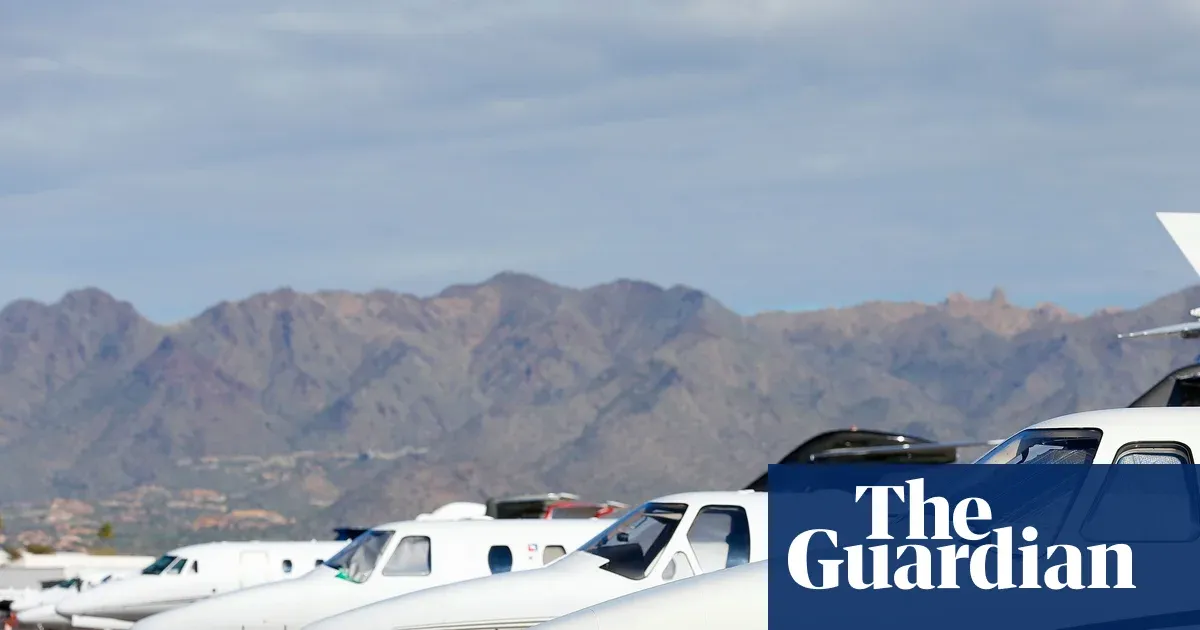
The world's richest 1% have already used up their entire annual carbon allowance by January 10th, 2026. The richest 0.1%—think billionaires—managed it in three days. This isn't abstract math. It means that while a handful of people are burning through their fair share of the planet's remaining carbon budget before most of us finish our New Year's resolutions, the people least responsible for the climate crisis will face the worst of it.
Oxfam's analysis reveals the staggering inequality baked into our emissions: the UK's richest 1% produce more carbon pollution in eight days than the poorest 50% generate in an entire year. A single billionaire's investment portfolio typically funds companies that emit around 1.9 million tonnes of CO2 annually—equivalent to the exhaust from 400,000 petrol cars running for a year.
The math of climate justice is brutal. To keep global heating to the 1.5°C limit agreed in Paris, the richest 1% would need to cut their emissions by 97% by 2030. That's not a suggestion. That's what staying within planetary boundaries actually requires.
We're a new kind of news feed.
Regular news is designed to drain you. We're a non-profit built to restore you. Every story we publish is scored for impact, progress, and hope.
Start Your News DetoxWho pays the price
Here's what makes this urgent beyond the numbers: the worst climate impacts will hit people who contributed almost nothing to the problem. Lower- and middle-income countries face the heaviest damage—Oxfam estimates potential economic losses of £44 trillion by 2050. Indigenous communities, women, girls, and people in low-income countries will absorb the heat, the floods, the crop failures, the displacement.
The mechanism is straightforward. The super-rich don't just emit more carbon through their lifestyles—private jets, yachts, multiple properties. They actively invest in the most polluting industries, locking in future emissions. Their capital flows into oil and gas companies, heavy manufacturing, aviation. They have the resources to insulate themselves from climate impacts while their choices ripple outward.
Beth John, climate justice adviser at Oxfam GB, points to an obvious starting place: "Fairly taxing the biggest polluters—private jets, oil and gas companies—is an obvious place to start to generate the funds needed to transition to a fairer, greener future." The UK government has repeatedly missed opportunities to do this. The question now is whether that pattern will continue.
The gap between what's needed and what's happening remains enormous. But the conversation has shifted. Three years ago, this analysis would have been radical. Now it's becoming the baseline for climate justice arguments. That's not victory, but it's the necessary first step: making the invisible visible, and making it impossible to ignore.