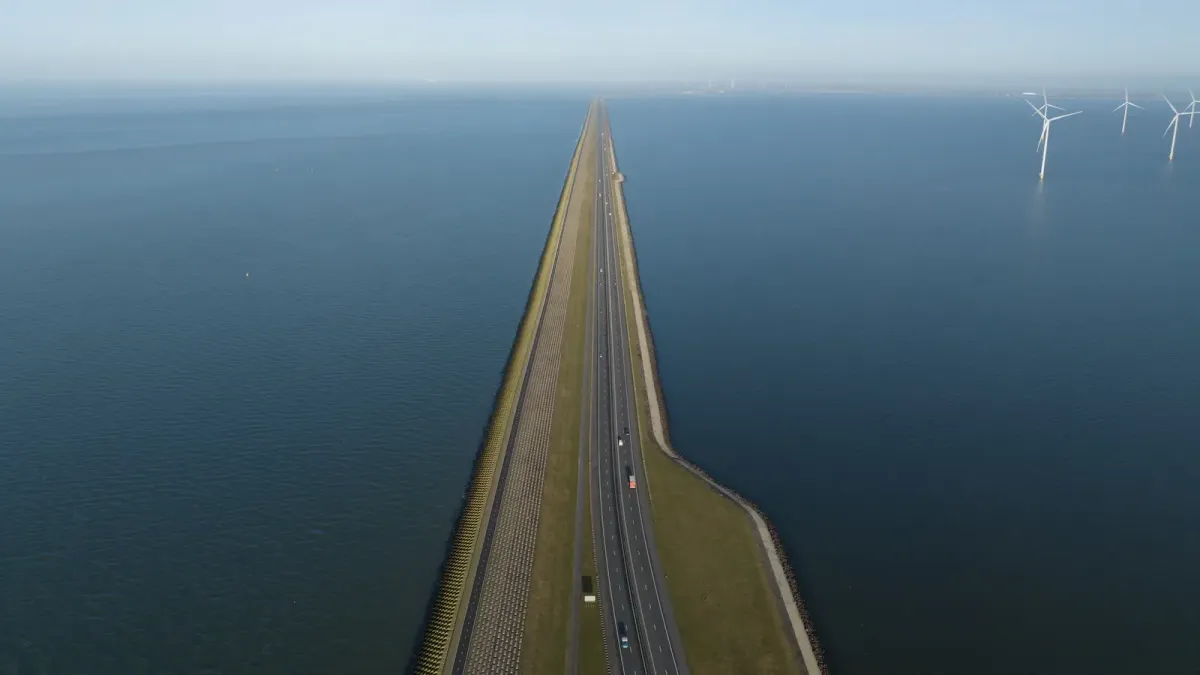
Well, folks, it finally happened. In 2025, the world hit a rather significant energy milestone: clean energy grew faster than the global need for electricity. Think about that for a second. Every single new electron buzzing through the wires came from something other than coal, oil, or gas.
And not only did renewables cover new demand, but fossil fuel generation actually dropped by 0.2 percent. A tiny number, perhaps, but a monumental shift. Because for pretty much this entire century, those numbers have been doing nothing but climbing. Let that satisfying number sink in.
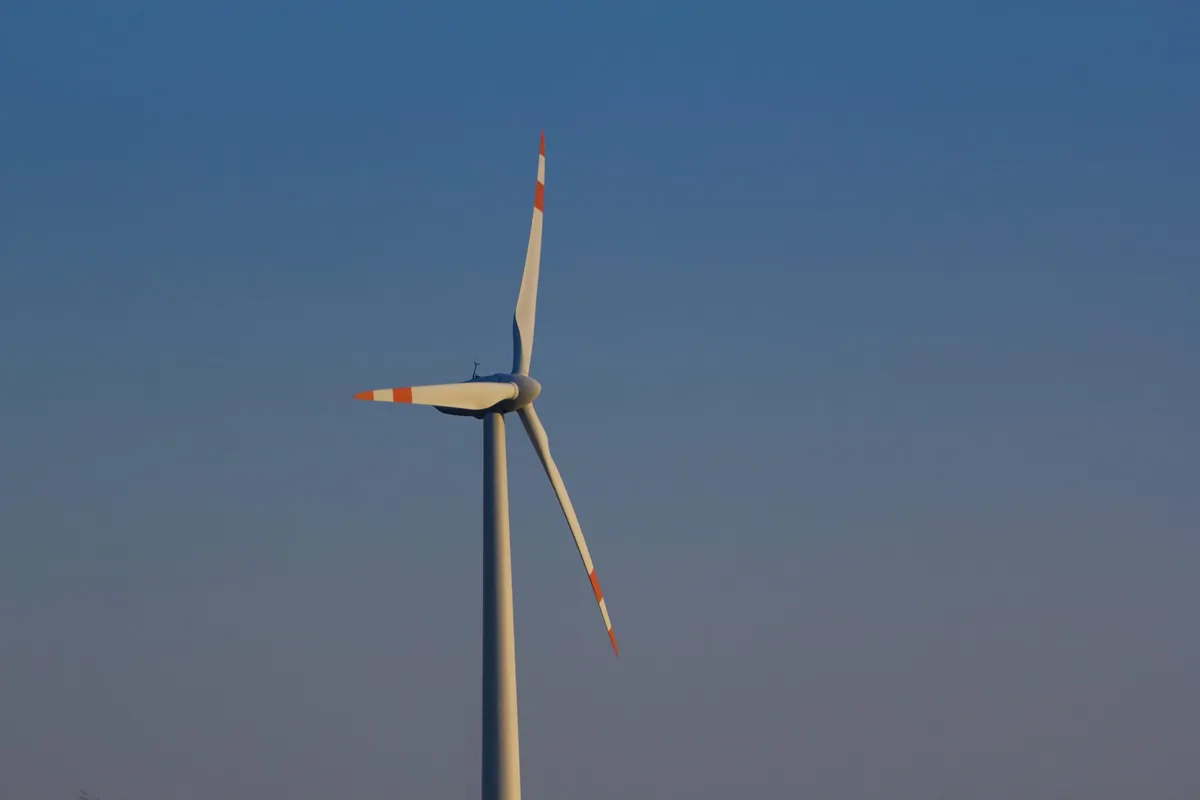
The Sun and Wind Show Up
According to Ember, the energy think tank with the delightfully simple name, clean power surged by 887 terawatt-hours in 2025. New electricity demand? A mere 849 terawatt-hours. Which means we didn't just meet the demand; we practically high-fived it and kept going. Renewables now make up a respectable 33.8 percent of the world's electricity mix.
We're a new kind of news feed.
Regular news is designed to drain you. We're a non-profit built to restore you. Every story we publish is scored for impact, progress, and hope.
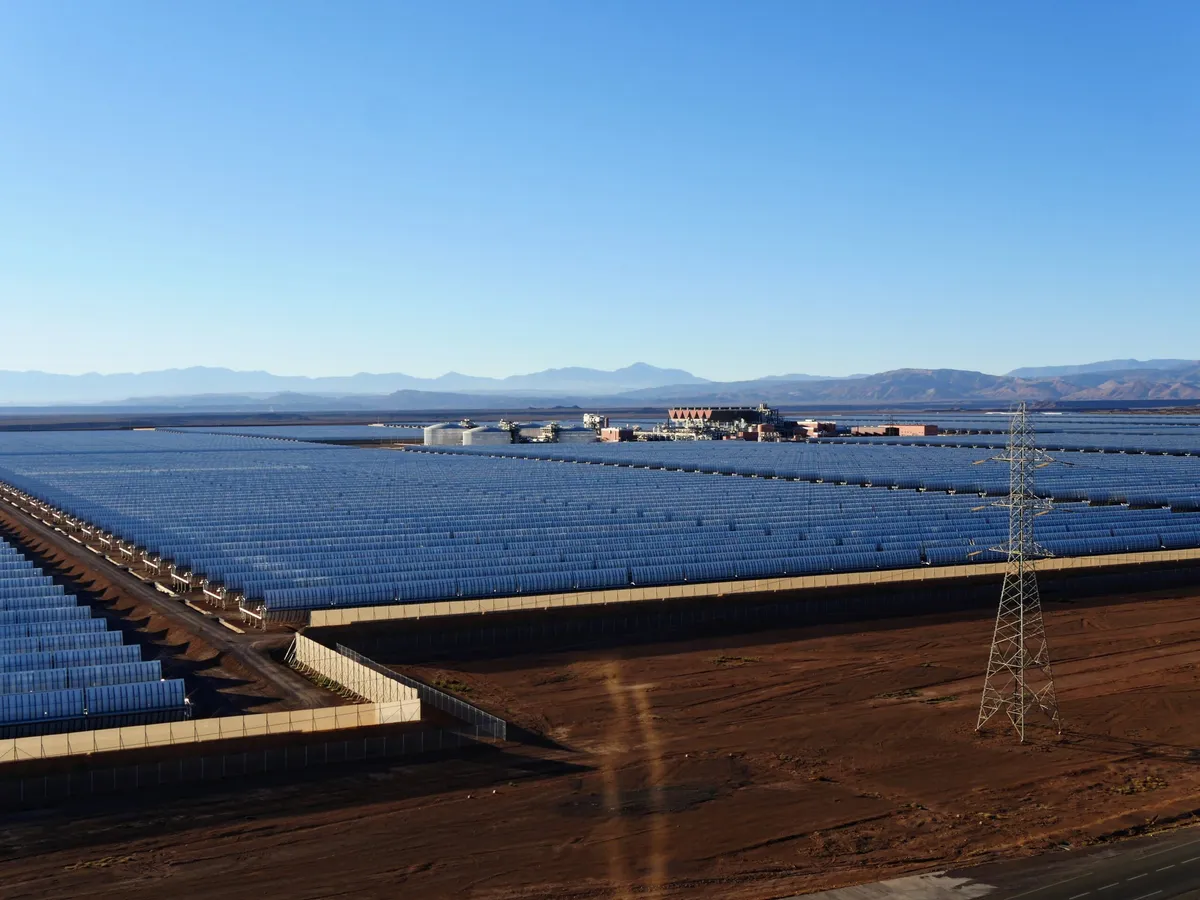
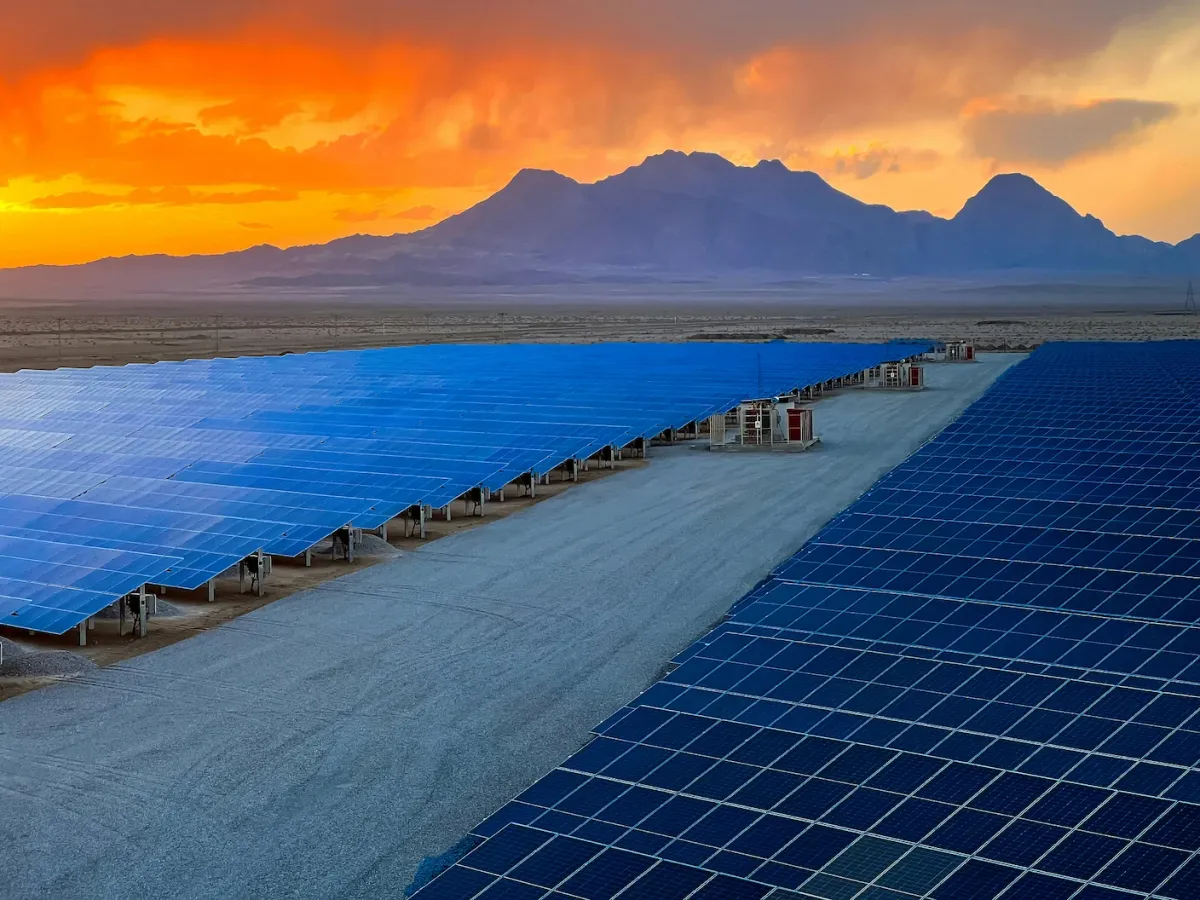
Start Your News DetoxSolar, predictably, was the superstar. It shot up by 30 percent, single-handedly meeting three-quarters of the new demand. Combine that with wind, and these two green giants covered a cool 99 percent of the world's fresh electricity needs. Because apparently, that's where we are now.
Even China and India, historical heavyweights in fossil fuel consumption, saw their fossil fuel use fall for the first time this century. China's dropped by 0.9 percent, India's by a more dramatic 3.3 percent. Nicolas Fulghum, a lead analyst at Ember, put it rather succinctly: both nations are now "aggressively pursuing a strategy of diversification through bringing renewables into the mix." China, in particular, was basically an overachiever, responsible for more than half of the global growth in solar and most of the new wind power. India, not to be outdone, also set its own records.

For decades, Fulghum noted, more electricity demand just meant more fossil fuels. Not anymore. The script has officially flipped.
Batteries: The Unsung Heroes
Of course, what's a solar panel without somewhere to stash its midday bounty? Battery costs plummeted by 45 percent last year, and storage capacity swelled by 46 percent. This means solar power isn't just a daytime hero; it can now keep the lights on long after the sun calls it a day. Ember estimates the new battery capacity added in 2025 can shift 14 percent of solar generation from the sunny peak to, say, dinner time.
The US and Europe also piled on the new solar capacity, adding 85 and 60 terawatt-hours respectively. Even with some lingering political pressure to expand fossil fuels in certain markets, the bigger picture is clear. As Alexis Abramson, dean of the Columbia University Climate School, put it, "We've really crossed this important threshold that clean energy now can meet rising demand economically and at the same time really help address national security concerns."

So, while the next step is to actually replace existing fossil fuel generation (which will be a whole other adventure), 2025 just handed us a rather impressive starting line. The future, it seems, is looking a lot less smoky.