Cities worldwide are staring down a multi-billion-dollar bill to protect themselves from rising sea levels and extreme weather. Most governments? They just don't have that kind of cash lying around. But a new report from C40, a climate group representing cities, suggests a solution: inviting outside investors to help foot the bill.
Think of it as a very grown-up GoFundMe, but for things like sea walls and resilient infrastructure. The idea is to bridge that yawning funding gap by getting private companies to invest in public climate adaptation projects.
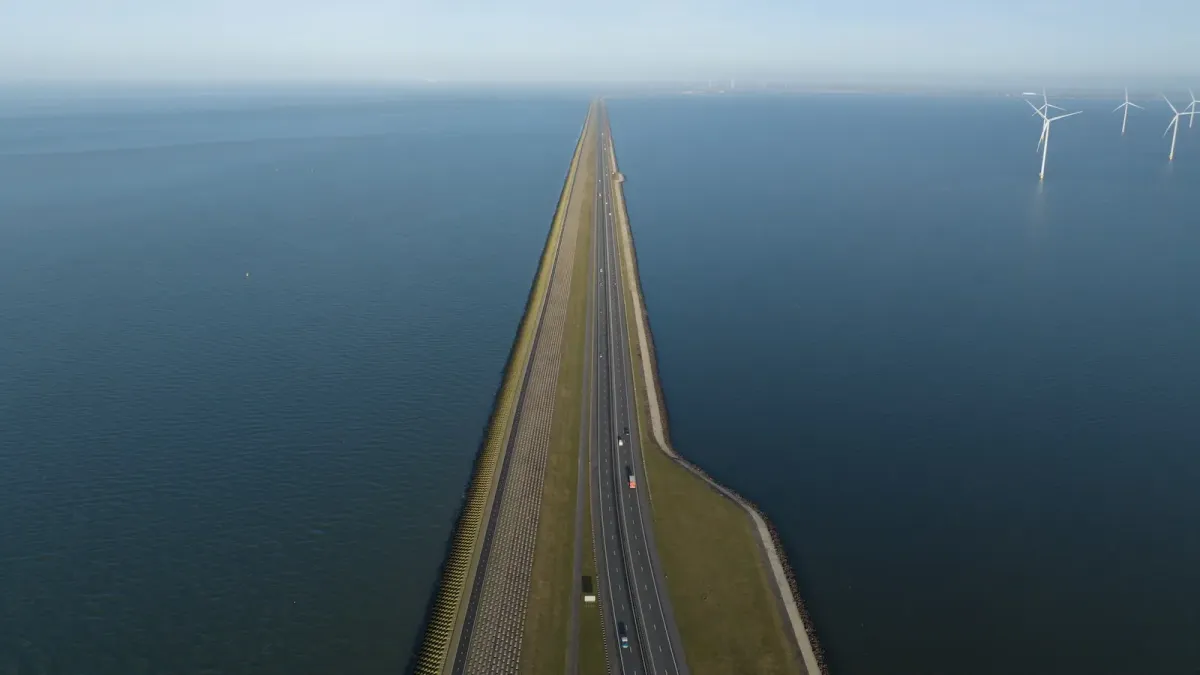
The Dutch Did It. So Can Others.
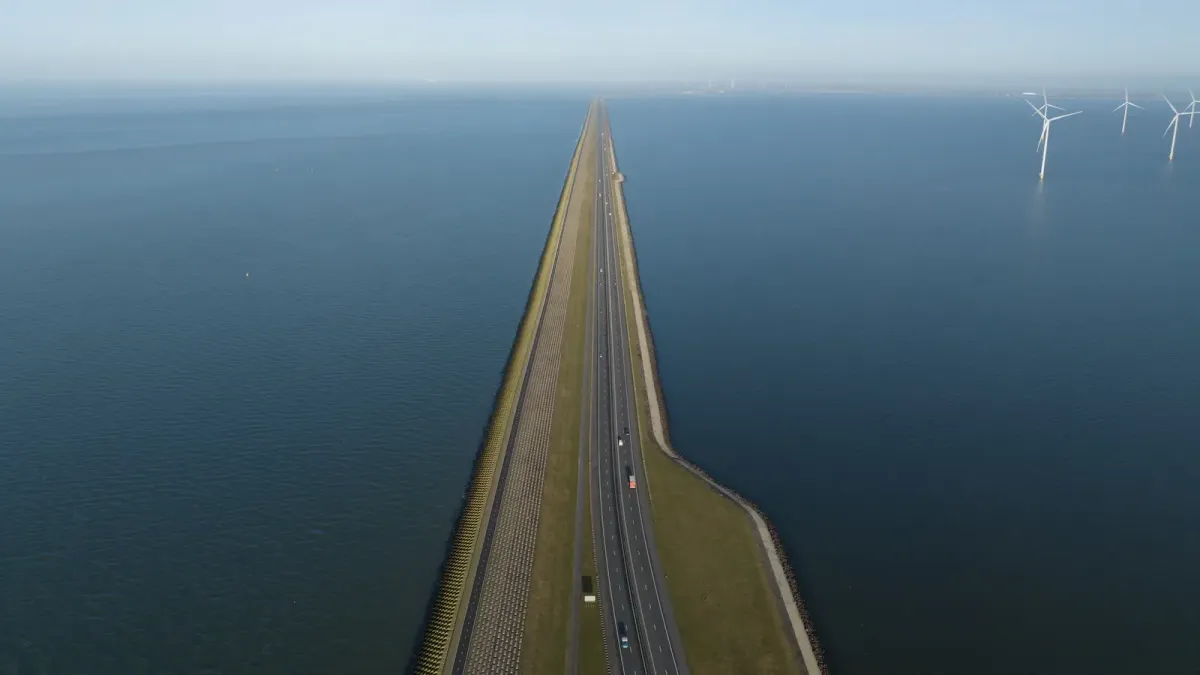
Take the Afsluitdijk in the Netherlands. This 32-kilometer causeway has been doing the heroic work of protecting the country from the sea since 1932. After nearly a century, it needed a few hundred million dollars in upgrades. Instead of paying upfront, the Dutch government hired contractors and signed a 25-year contract, essentially spreading the cost over time using private financing. The work is now finished, and the sea wall continues its vigilant watch.
We're a new kind of news feed.
Regular news is designed to drain you. We're a non-profit built to restore you. Every story we publish is scored for impact, progress, and hope.
Start Your News DetoxThis project is one of ten examples highlighted in the C40 report, which aims to show cities how and why they should cozy up to private companies. Barbara Barros, C40's global head of adaptation finance and a report author, puts it simply: "We can change the narrative."
And change it they must. Climate risks are multiplying, and so are the price tags for defense. Low and middle-income countries alone could need between $256 billion and $821 billion by 2050. Meanwhile, less than one percent of all climate funding currently goes to urban adaptation. You don't need a calculator to see the problem there.
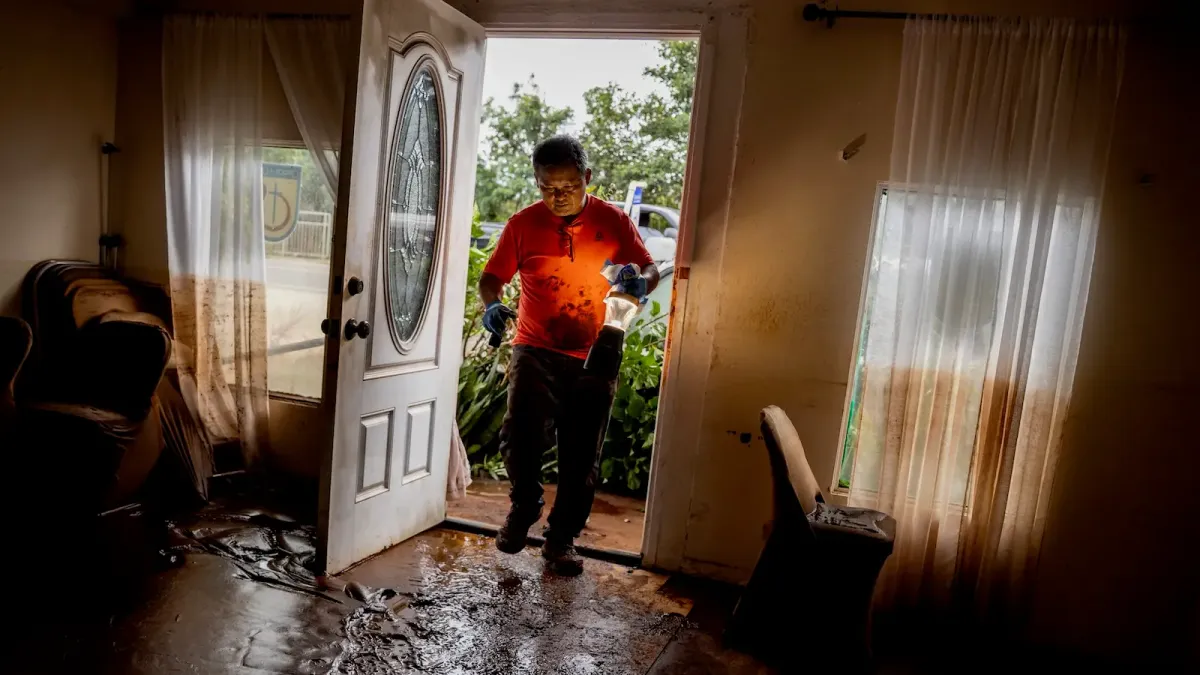
Why the disparity? Dan Zarrilli, former chief resilience officer for New York City, notes that avoiding future damages isn't as "bankable" as, say, energy efficiency. It's harder to prove a return on investment for something that didn't happen. Which, if you think about it, is both impressive and slightly terrifying.
Creative Solutions for a Changing Climate
The report isn't just theory; it's packed with case studies. There's a wastewater recovery project in Sao Paolo, coral reef insurance in Mexico (because apparently that's where we are now), and performance-based payments in Washington D.C.
One particularly clever example from Kuala Lumpur, Malaysia, caught Zarrilli's eye: designers combined a stormwater management system with a toll road. "Now you have this revenue stream to do this joint thing," he said, admiring the sheer ingenuity. It's about finding that sweet spot where public goals meet private pockets.
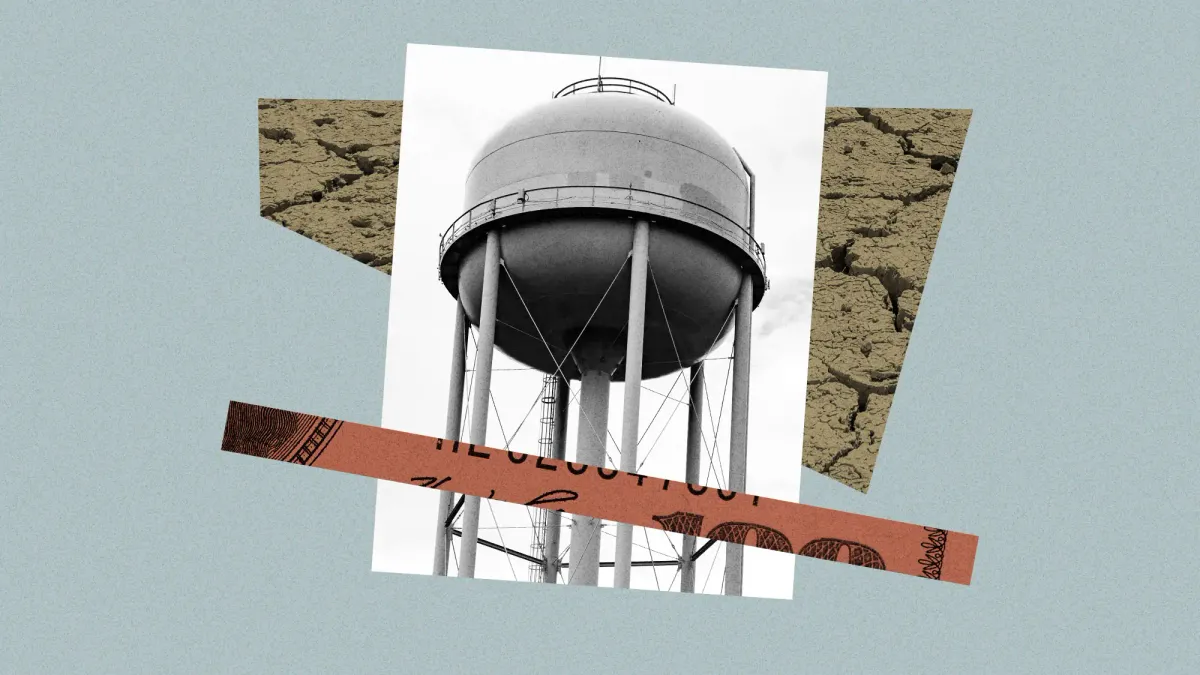
Of course, bringing private firms into the public sphere isn't without its risks. The Zurich Climate Resilience Alliance report, for instance, warns that governments need to ensure high project quality, fairness, and justice. Profit motives could easily lead to a focus on short-term gains over long-term needs. Debbie Hillier, head of the alliance, is clear: "There is definitely scope there. But what we don’t want is to assume the private sector can do everything. They cannot and they will not."
Still, the alternative is often no project at all. Barros emphasizes that while it might seem "very capitalist," the ultimate goal is to protect vulnerable citizens from climate impacts. It's about finding the "right balance," as Zarrilli explains, between private finance and getting crucial projects done. Governments have, after all, figured this out for roads and bridges. Why not for sea walls and flood protection?
It will take some years, Barros concedes, but she expects cities to start thinking differently. Because when the waters rise, a little creative accounting might just save the day.