Turns out, Europe is sitting on a goldmine. Not the sparkly, inconveniently-located-under-mountains kind, but the 'we-already-used-it-once-and-then-threw-it-away' kind. A new study by the EU-funded FutuRaM project suggests that by 2050, recycling could meet half of Europe's demand for the critical raw materials needed for its green energy revolution. Because apparently, the best place to find new stuff is in the old stuff.
These aren't just any old materials. We're talking about 42 specific elements the EU needs for everything from electric car batteries to solar panels and wind turbines. The problem? Most of them currently come from places like China, Congo, and South Africa, making supply chains about as stable as a house of cards in a hurricane. When those materials end up in a landfill, they're not just trash; they're lost potential.
The Urban Mine: A Treasure Trove of Tomorrow
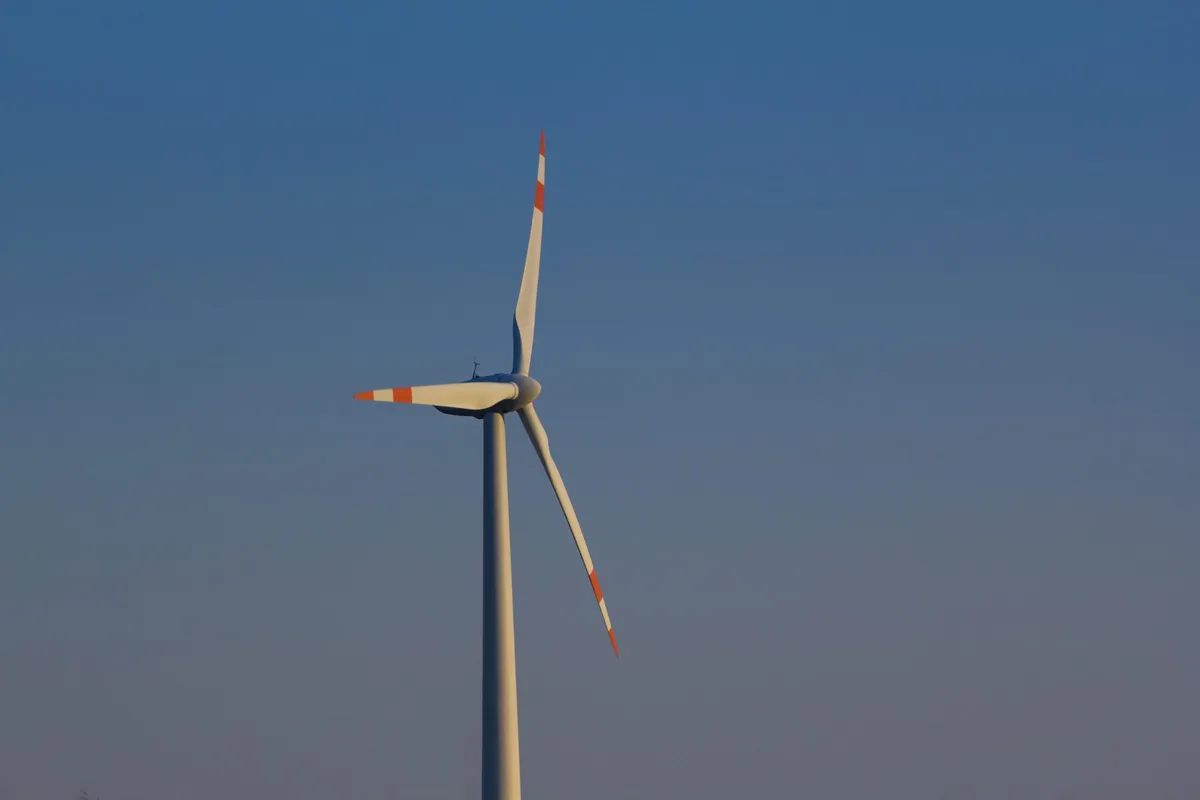
Researchers decided to map out Europe's "urban mine" — essentially, all the waste streams across the 27 EU countries, plus the UK, Switzerland, Iceland, and Norway. They dug into everything from old electronics and retired wind turbines to industrial ashes and even mining waste. All this data now lives on the Urban Mine Platform, a website that lets you see where Europe's future resources are currently hiding.
We're a new kind of news feed.
Regular news is designed to drain you. We're a non-profit built to restore you. Every story we publish is scored for impact, progress, and hope.
Start Your News DetoxConsider this: In 2022, Europe put 5.2 million metric tons of these critical materials into new products. A hefty 2.1 million metric tons ended up as waste, but only 1.4 million were actually recovered. By 2050, as electric cars and digital tech explode, annual waste could hit 6.4 million metric tons. But with better recycling, we could be recovering 5.7 million of those. That's a serious upgrade.
If current trends continue, recycling might cover about a third of Europe's new critical raw material needs by 2050. But with improved systems, that jumps to 47%. And if Europe fully embraces a circular economy? We're looking at 56%. Let that satisfying number sink in.
Beyond just securing supply, recycling these materials could slash carbon emissions by over 200 million metric tons annually by 2050 — a significant leap from the 39 million saved today. It's not just about what we can get back, it's about how much cleaner we can do it.
This isn't just about counting trash; it's about identifying which trash can actually be turned into usable resources. The researchers even adapted a UN method for mining projects to assess recycling efforts, creating an online tool to help investors spot the most promising ventures. Because nothing says "green future" like making your waste financially viable.