Cuba, a country famous for keeping 1950s American cars on the road with a mix of duct tape and sheer willpower, is at it again. This time, the ingenuity isn't just about patching up a '57 Chevy; it's about reinventing urban transit with a dash of sunshine.
The island is currently grappling with its worst fuel crisis in years. Oil tanker arrivals have plummeted since January, thanks to U.S. tariff threats on countries selling to Cuba. Considering the island already produces only about 40% of its own fuel, this has led to a cascade of charming problems: more power outages, fewer bus routes, and a worsening scarcity of everything from food to medicine.
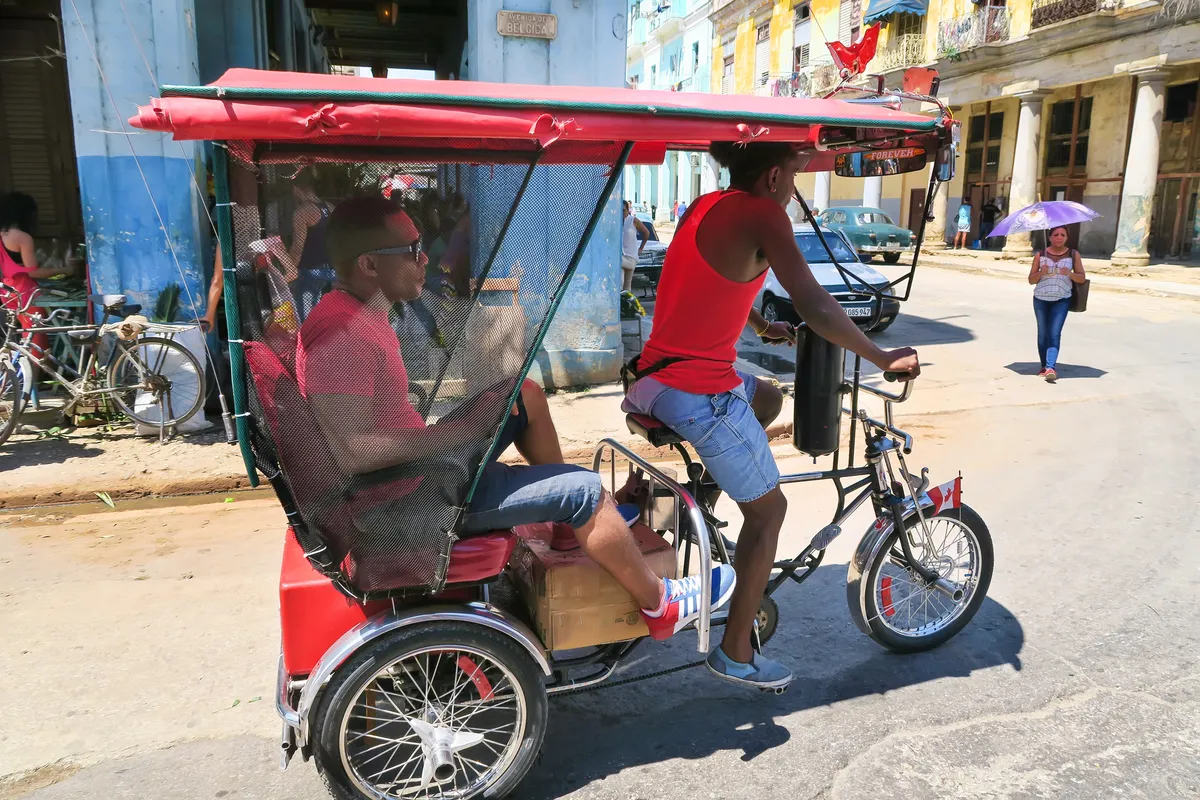
But necessity, as they say, is the mother of a really interesting electric tricycle market.
We're a new kind of news feed.
Regular news is designed to drain you. We're a non-profit built to restore you. Every story we publish is scored for impact, progress, and hope.
Start Your News DetoxThe Rise of the Electric Tricycle
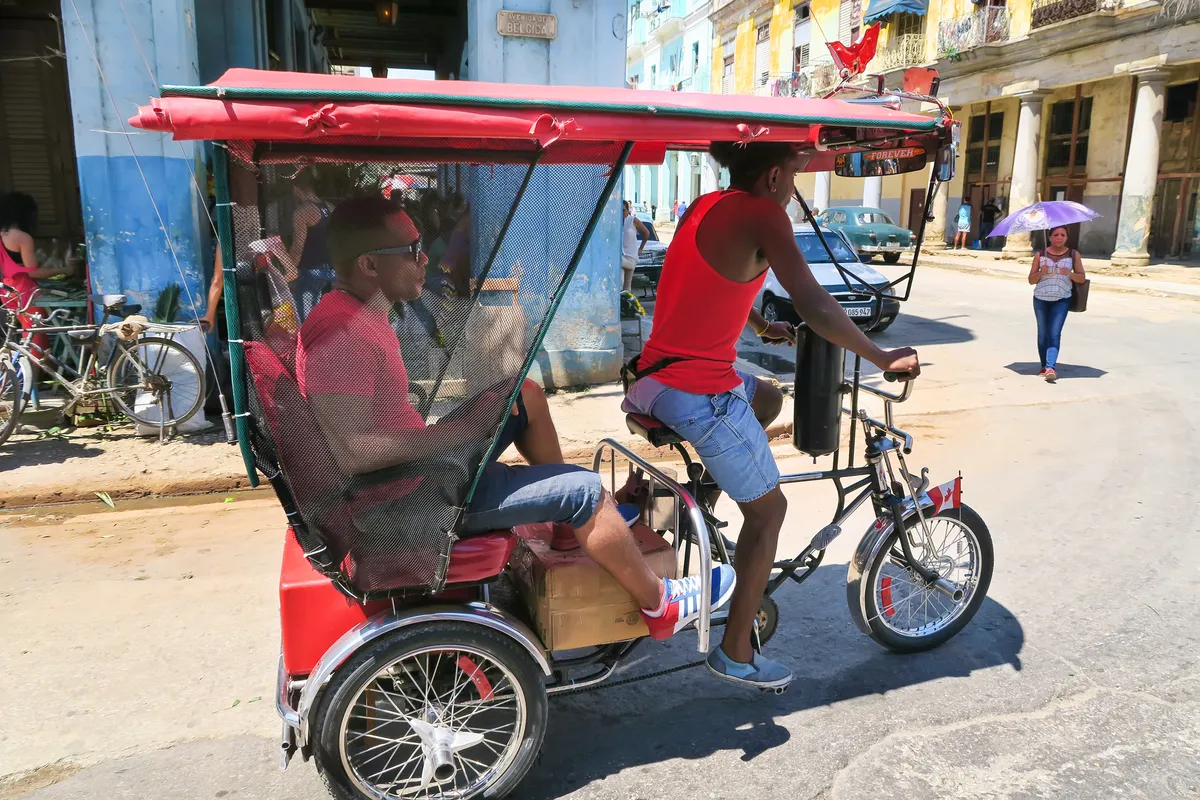
Enter the electric tricycle, primarily Chinese-made models from brands like Zonsen and Jinpeng, zipping through Havana's streets. These battery-powered chariots, costing between $2,000 and $4,000, are often imported from Panama or assembled locally through a deal with China. For a country where state workers make about $10 a month (private sector employees, a princely $40), that price tag is, shall we say, aspirational.
Yet, a secondary economy has blossomed. Some Cubans sold their vintage gas guzzlers, others received tricycles from relatives abroad, and small business owners invested profits, betting these three-wheelers would pay for themselves. And they have. These tricycles now cover defunct bus routes, haul produce to markets, and even collect garbage. A ride costs about 500 Cuban pesos (less than a dollar), which, as 52-year-old store clerk Berta Ferrer puts it, means: "If you can pay for it, you just take it; otherwise you can’t go anywhere."

The Solar Upgrade
Here’s where it gets truly Cuban: many owners have bolted solar panels onto the awnings over the passenger seats. This allows the tricycles to recharge while parked or even on the move, bypassing the country's notoriously unreliable power grid. For about $500, this modification quickly pays for itself.
Carlos Álvarez, a 29-year-old engineer running an electric vehicle workshop, notes their ubiquity: "There are so many tricycles in Havana that you can’t spend 10 minutes on a street without seeing countless numbers of them pass by." From patching up classic cars to powering tricycles with the sun, Cuba's knack for adaptation is, if nothing else, consistent.
These tricycles aren't just a temporary fix; they're becoming the new normal. Ricardo Quintero, an engineer who uses his to haul produce, believes they're here to stay. The new routes, repair shops, and solar modifications have woven themselves into the fabric of the city. As 40-year-old tricycle owner Liecer de la Cruz observes, "This is how people get around now."

The old cars, once spewing black smoke, are giving way to slower, sun-powered replacements. Havana is still moving, just a little greener and a lot more ingeniously.