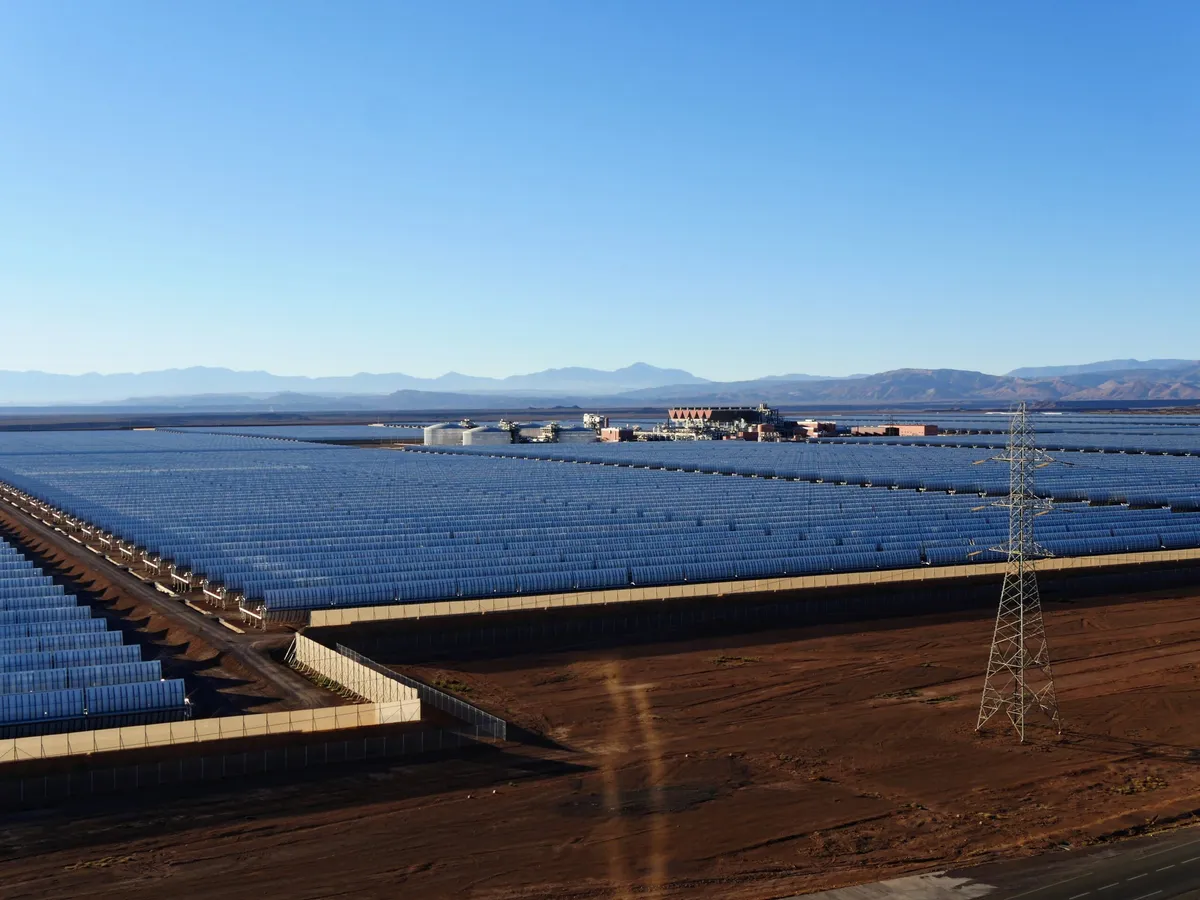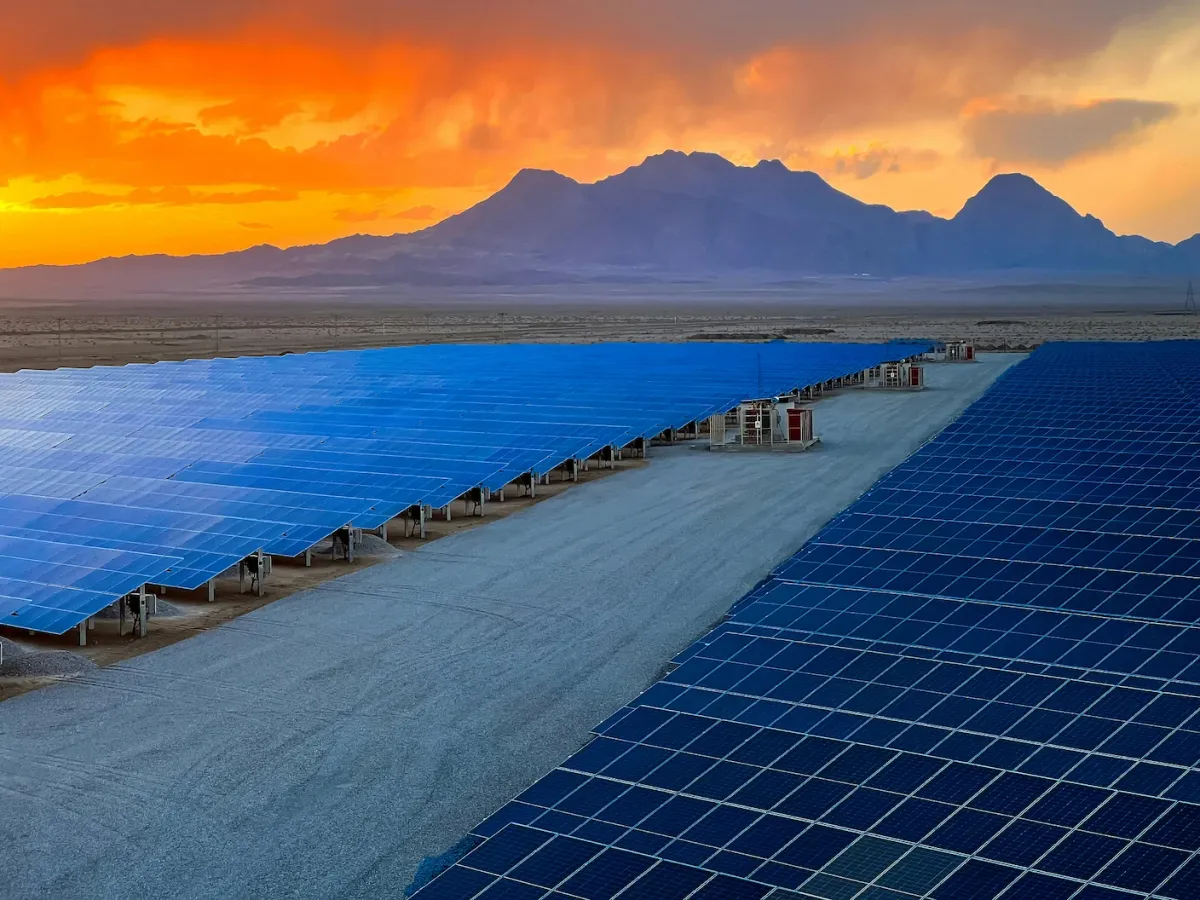
For the first time, the US generated more electricity from solar panels than from dams. It's a milestone that would have seemed impossible a decade ago—and it happened because of a surge in demand nobody quite expected.
US power consumption jumped 2.8% in 2025, driven by industrial growth and the relentless appetite of AI data centers. That's a big swing in a country where electricity use had been nearly flat for years. Utilities scrambled to build new generating capacity, and one technology pulled decisively ahead: solar, which grew 35% year-over-year with 27 gigawatts of fresh installations.
The numbers tell the story. Solar generated about 85 terawatt-hours of new electricity—enough to cover roughly two-thirds of the entire increase in US power demand. Add wind power's 2.8% growth into the mix, and renewables together offset about 73% of new demand. Hydroelectric output, by contrast, stayed roughly flat, which is why solar finally overtook it in total annual generation.
We're a new kind of news feed.
Regular news is designed to drain you. We're a non-profit built to restore you. Every story we publish is scored for impact, progress, and hope.
Start Your News DetoxThe Catch in the Numbers
Before you exhale too deeply: fossil fuels still met the remaining 27% of new demand, and coal's share actually grew. Generation from coal plants jumped 13% last year—bucking years of decline. This wasn't inevitable. It happened because of a specific collision of policy and economics.
Natural gas, which had been the go-to fossil fuel for its flexibility and domestic abundance, became less attractive. Tariff policies made equipment for new gas plants more expensive and harder to source. Meanwhile, US liquefied natural gas exports are booming, which means utilities are now competing with foreign buyers for fuel. Gas generation actually shrank 3.3%. Coal filled the gap.
It's a reminder that energy systems don't move in straight lines. Even as solar and wind accelerate, the transition remains messy and contingent on policy choices.
What's Coming Next
The trajectory, though, points clearly forward. The Energy Information Administration has tracked roughly 43 gigawatts of utility-scale solar capacity planned or under construction for 2026—potentially a bigger year than 2025. More than half of it will go into just four states: Texas, Arizona, California, and Michigan.
Wind capacity additions could more than double, with 11.8 gigawatts in the pipeline. Battery storage, which makes renewables more reliable, hit a record 15 gigawatts added in 2025, and another 24 gigawatts are planned for 2026. Texas, California, and Arizona alone account for 80% of that.
Fossil fuels still generated 58% of US electricity in 2025. That's a long way from zero. But the momentum has shifted. If solar and wind continue meeting new demand—and the data suggests they will—the grid Americans depend on will look fundamentally different within five years.