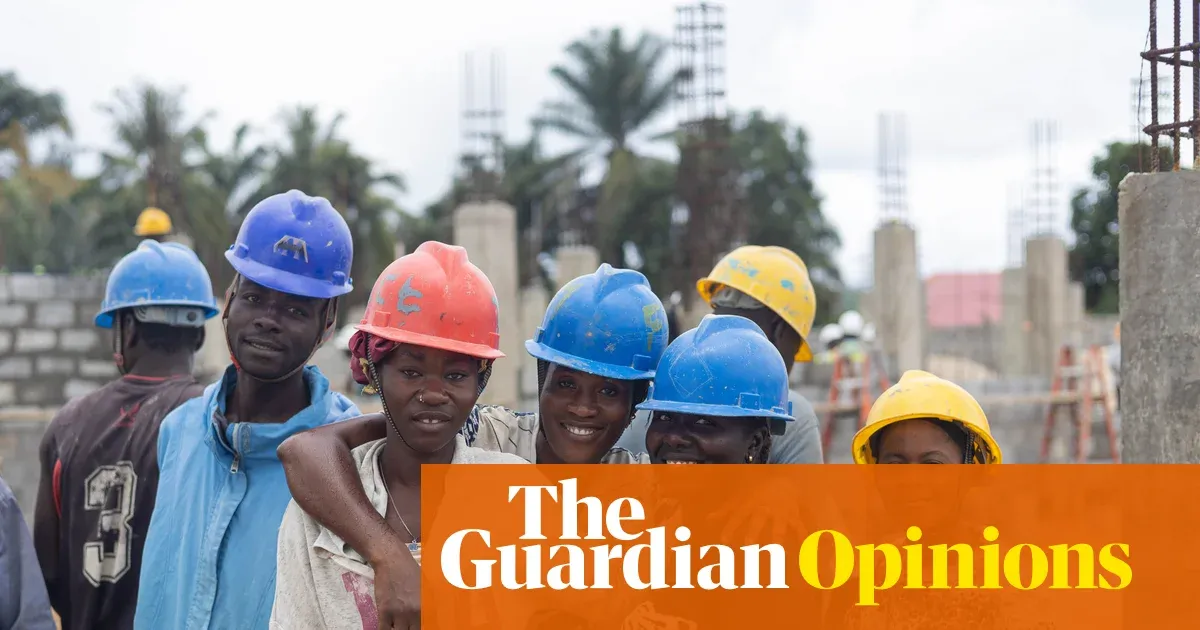
For the first time in history, more than seven in ten Africans are under 30. By 2050, one in four people on Earth will be African. By century's end, half the world's children will be born on the continent.
These aren't abstract demographic statistics. They're a reshaping of global power, economics, and possibility — if the investment shows up to match the moment.
Right now, the math doesn't add up. A youthful population means exponential demand for jobs, schools, hospitals, and infrastructure all at once. Without deliberate investment in systems and institutions, this demographic advantage becomes a destabilizing liability. Young Africans are growing up in economies that aren't creating enough quality work, education systems misaligned with labour markets, and cities growing faster than infrastructure can handle.
We're a new kind of news feed.
Regular news is designed to drain you. We're a non-profit built to restore you. Every story we publish is scored for impact, progress, and hope.
Start Your News DetoxBut this isn't a deficit story. Young people across Africa are already building what comes next. They're launching enterprises, reimagining how governance works, and pushing institutions to match their ambition. The energy is there. The innovation is there. What's missing is the deliberate infrastructure to channel it.
What Actually Works
The countries that will define the next era of global innovation and competitiveness are the ones making strategic, sustained investments in youth right now. Not one-off programs. Not rhetorical commitments. Deliberate work: creating dignified jobs that are future-ready, aligning education with emerging industries, and building health systems that empower individuals and strengthen societies.
Namibia's president, Netumbo Nandi-Ndaitwah, has framed this as "business unusual" — a recognition that the old playbook doesn't work anymore. Leaders taking office over the next decade will operate in a fundamentally altered landscape. Nothing about the next 10 years will look like the last 10.
Initiatives like Leadership Lab Yetu, a pan-African program convening leaders across generations, are testing what this actually looks like in practice: evidence-based leadership, intergenerational knowledge-sharing, and systems thinking that prioritizes inclusion and long-term sustainability over short-term wins.
The decisions made now on health, education, and employment will echo through the continent and the world for the next century. Get this right, and Africa doesn't just solve its own challenges — it reshapes global trade, digital innovation, and sustainable development. The window is open. It won't stay that way indefinitely.