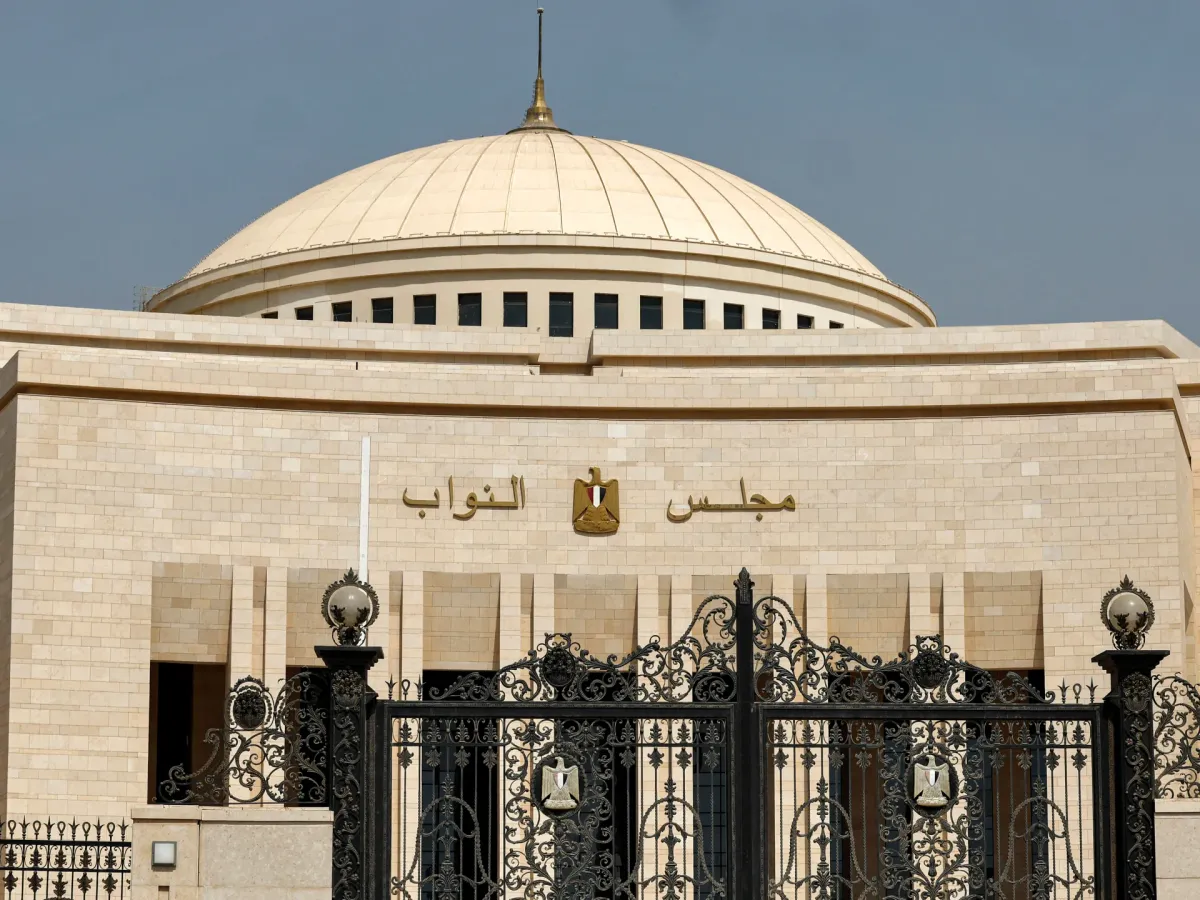
Egypt's parliament has approved a significant cabinet reshuffle aimed squarely at stabilizing an economy that's been under sustained pressure for nearly a decade. The new lineup brings 13 fresh ministers to key posts, signaling a deliberate pivot toward economic expertise at a moment when the country needs it most.
The most notable appointment is Ahmed Rostom, a senior economist at the World Bank, taking over as minister of planning. Alongside him, Mohamed Farid Saleh, who chairs Egypt's Financial Regulatory Authority, moves into the Ministry of Investment. These aren't political appointments — they're technical ones, suggesting the government is betting on seasoned economic management to navigate out of a difficult period.
The weight of accumulated pressure
Egypt's economic challenges didn't arrive all at once. The country adopted an IMF austerity program in 2016 that fundamentally reshaped public finances. Then came the pandemic, followed by the ripple effects of Russia's invasion of Ukraine. Most recently, the war in Gaza and Houthi attacks on Red Sea shipping routes have directly threatened the Suez Canal — Egypt's single largest source of foreign currency. When your economy relies heavily on one revenue stream and that stream gets disrupted, the pressure compounds quickly.
We're a new kind of news feed.
Regular news is designed to drain you. We're a non-profit built to restore you. Every story we publish is scored for impact, progress, and hope.
Start Your News DetoxThe new cabinet also creates a deputy prime minister position specifically for economic affairs, a structural change that elevates economic coordination within government. Housing, higher education, planning, and foreign trade all get new leadership, while foreign affairs and defense remain stable — a typical pattern when a government wants to signal continuity in security while reshaping economic direction.
Two women are included in the new lineup: Randa al-Menshawi leading the Housing Ministry and Gihane Zaki taking over culture. The State Ministry of Information has also been restored after being dissolved in 2021, with Diaa Rashwan, chairman of the State Information Service, named as minister.
The cabinet is expected to be sworn in on Wednesday. Whether this reshuffle delivers the economic stabilization Egypt needs will depend less on the appointments themselves and more on whether these technocrats have the room to implement reforms in a complex political and regional environment.