In September 2025, Ethiopia officially inaugurated the Grand Ethiopian Renaissance Dam, a 1,780-meter structure that represents the continent's largest hydroelectric project by capacity. The $5 billion facility can generate over 15,000 gigawatt-hours of electricity annually — enough to transform Ethiopia from energy importer to exporter across East Africa. For a country where roughly two-thirds of the population lacks reliable electricity access, this matters. For Kenya, which attended the inauguration ceremony, it matters more: Ethiopia has committed to selling 200 megawatts of renewable power within three years, scaling to 400 megawatts by the mid-2030s — more than 10% of Kenya's current electricity demand.
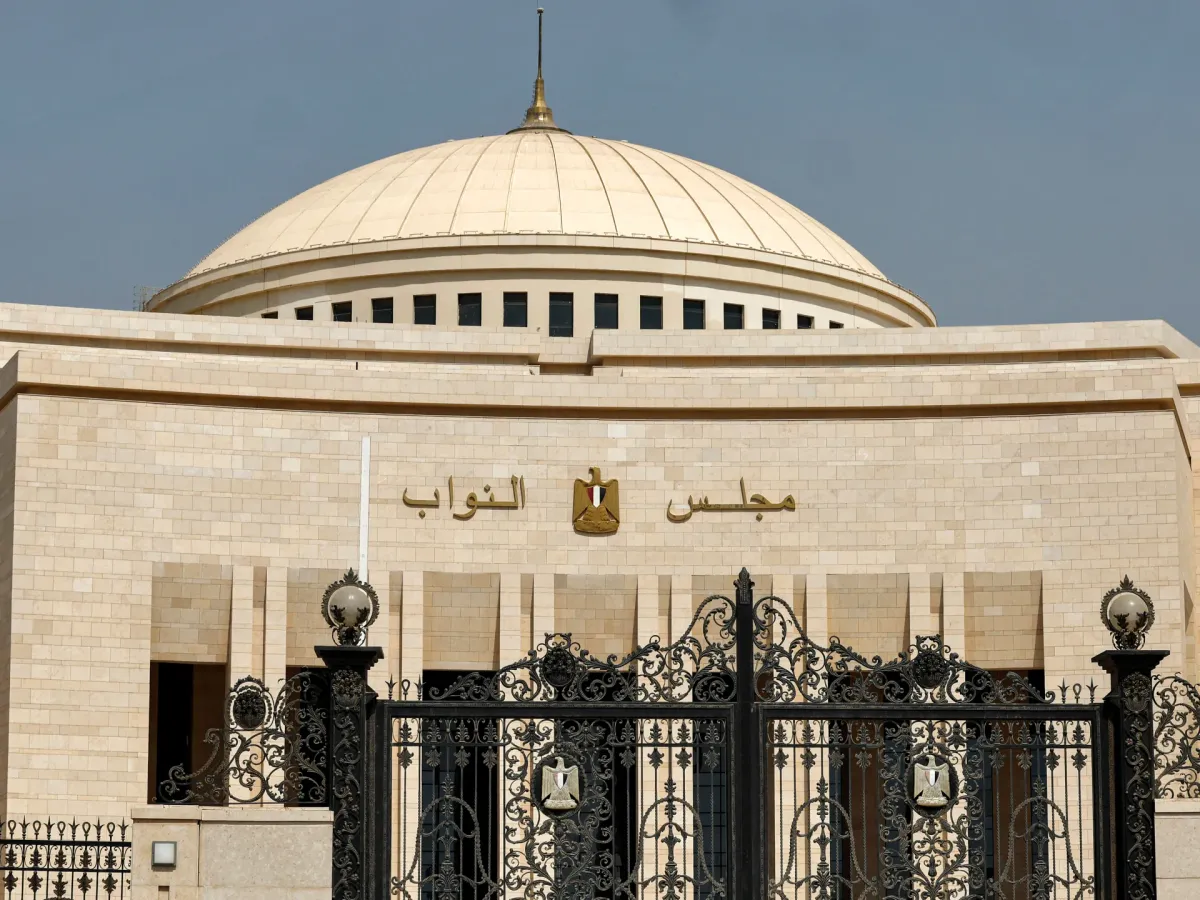
But the dam's promise comes tangled with real regional friction. Egypt, which depends on the Nile River for over 90% of its freshwater supply, sees the project as a threat to its water security. The country has invoked colonial-era agreements that historically gave it veto power over upstream projects, and has publicly warned of potential military response. Sudan, caught downstream between both countries, faces its own calculations about water flow and flood management.
These aren't abstract concerns. Egypt's population of 104 million depends almost entirely on Nile waters for drinking, irrigation, and industry. When Ethiopia began filling the reservoir in 2020, Egyptian officials accused the country of violating international law. Negotiations between the three nations have repeatedly stalled over how quickly the dam should fill and how much water it should release during dry seasons. In January 2025, the dispute drew enough international attention that U.S. President Donald Trump offered to mediate.
We're a new kind of news feed.
Regular news is designed to drain you. We're a non-profit built to restore you. Every story we publish is scored for impact, progress, and hope.
Start Your News DetoxWhat Could Actually Work
Yet the technical case for coexistence is stronger than the political rhetoric suggests. The dam's reservoir naturally regulates the Nile's flow — storing water during rainy seasons and releasing it during droughts. This could actually reduce the devastating floods Sudan experienced in recent years while maintaining dry-season flows downstream. Ethiopia's government maintains it has the right to develop its own resources to serve 123 million people, many of whom lack basic electricity access. That's not unreasonable.
The path forward exists but requires what hasn't happened yet: a binding agreement on the dam's operational rules. Experts point to specifics: agreed-upon minimum water releases during low-flow periods, transparent data-sharing on reservoir levels, and coordinated drought response protocols. Kenya's power purchase agreement with Ethiopia shows the model works when countries move past posturing to actual contracts.
The dam's inauguration was attended by presidents from Djibouti, South Sudan, Somalia, and Kenya — a signal that much of the region sees the infrastructure as an opportunity rather than a threat. Whether that translates into the harder work of water-sharing agreements remains the open question.