The past year was a real head-scratcher for anyone hoping for a calmer world. Global aid, that big pot of money that helps people when things go sideways, decided to shrink. Funding streams dried up like a forgotten houseplant. Millions found themselves without the support they'd come to depend on. It was, to put it mildly, not ideal.
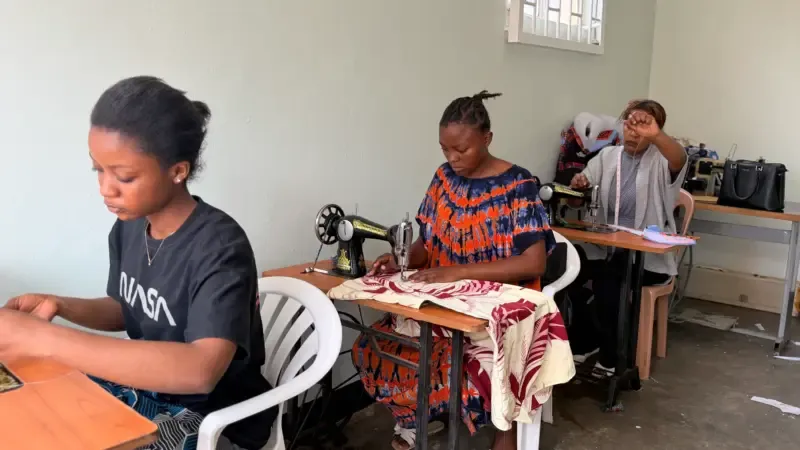
But here's the twist: while the big systems were pulling back, local leaders on the ground weren't. They just… kept going. Adapting, stretching every dime, and looking after their communities even as the traditional safety nets developed some rather noticeable holes.
The Unofficial Lifelines
Think about it: in places like Afghanistan, Ethiopia, and Uganda, local organizations became the actual lifelines. In Gaza, community kitchens, already working overtime, just kept dishing out meals, ensuring neighbors didn't go hungry. Because apparently, that's what you do when the world gets complicated.
We're a new kind of news feed.
Regular news is designed to drain you. We're a non-profit built to restore you. Every story we publish is scored for impact, progress, and hope.
Start Your News DetoxIndividuals, it turns out, are also rather good at stepping up. When U.S. foreign aid got an unexpected haircut, a group of former USAID staff didn't just shrug. They launched a fundraiser on GlobalGiving and, in a move that probably surprised everyone but themselves, mobilized over $3 million. That money went straight to frontline health organizations, proving that generosity, much like a stubborn weed, finds a way to grow.
And when the traditional systems really started to pull back, the GlobalGiving community launched the Community Aid Fund. This fund provided flexible, trust-based funding to local leaders facing difficult times. Thanks to a collective surge of generosity, over $45 million reached nonprofit partners in 100 countries most affected by aid cuts in 2025. Let that satisfying number sink in.
A Billion Acts of Trust
This year also marked a pretty significant milestone: GlobalGiving officially hit $1 billion raised for local leaders worldwide. That's not just a number; it represents a billion individual acts of trust. A billion times someone said, "Yes, I believe in this. Yes, I'll help."
This isn't money that just vanished into the ether or got lost in administrative black holes. This support helped midwives deliver care, farmers adapt to a changing climate, artists create, and activists push for justice. It helped cooks in Gaza feed families, Rohingya children find moments of joy, Indigenous women in Paraguay protect vital water sources, and girls in Nigeria speak up for equality. It went directly to people.
GlobalGiving operates on the rather refreshing belief that generosity isn't a one-off event; it's a commitment. It's about showing up when it matters most and, crucially, trusting the people on the ground to know what they're doing. The goal? A future that's a bit more resilient, a lot more fair, and undeniably more human.
Yes, the challenges ahead are still very real. But if this past year proved anything, it's that standing together, even when the big systems falter, makes communities stronger. Compassion, it turns out, is a rather powerful engine when it translates into consistent action. Which, if you think about it, is a pretty good reason to keep going.