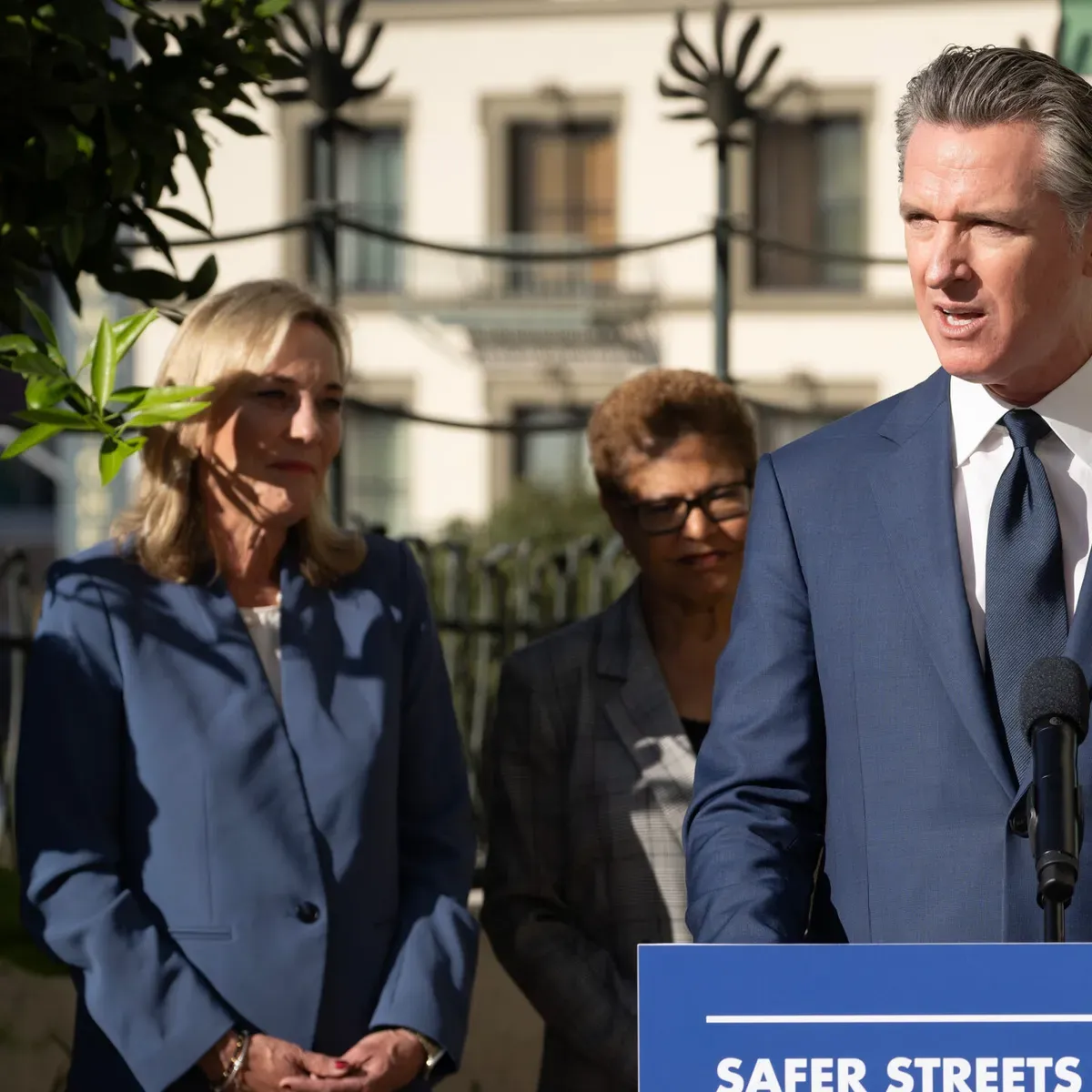
California Governor Gavin Newsom just dropped his latest plan for tackling the state's sprawling homelessness crisis, and it comes with a few eyebrow-raising details. He's proposing a cool $500 million for the state's Homeless Housing Assistance and Prevention (HHAP) fund for the 2026-2027 fiscal years.
Now, before you cheer, that's half of what cities were getting in previous rounds. On the flip side, it's a significant upgrade from the grand total of zero dollars allocated in the current fiscal year. Because apparently, that's where we are now.
But here's the kicker: cities and counties won't just get to ask for the money anymore. They'll have to show their work. New strings attached demand proof of how the funds will actually reduce homelessness, clear encampments, and boost local housing options. Because, you know, results.
We're a new kind of news feed.
Regular news is designed to drain you. We're a non-profit built to restore you. Every story we publish is scored for impact, progress, and hope.
Start Your News DetoxThe Tightrope Walk for Cities
Local governments are, to put it mildly, rather fond of HHAP funding. Carolyn Coleman, CEO of the League of California Cities, didn't mince words, warning that cuts could force cities to shutter shelter beds and slash prevention programs. Essentially, it's a plea for consistent funding to fight a consistent problem.
California, famously, boasts the largest unhoused population in the U.S. Which makes last year's 9% drop in unsheltered homelessness — the biggest reduction in 15 years — all the more noteworthy. This progress coincided with a push to clear encampments, a strategy Newsom has been keen for local governments to embrace.
Mayors across the state are echoing the sentiment: HHAP funds are critical. San Diego Mayor Todd Gloria called the progress "fragile" without state support, hinting that cuts could unravel all that hard work. Since 2023, HHAP funding has helped over 100,000 people find permanent housing. But the National Alliance to End Homelessness isn't pulling any punches, warning that a cut to $500 million could lead to a 20% surge in homelessness by 2027. So, a half-billion dollars and a whole lot of pressure.