Uganda has long been known for its strikingly open-door policy when it comes to refugees. Unlike many nations that prefer to keep asylum seekers in contained, often isolated, settlements, Uganda lets them move, integrate, and, well, live.
As of October 2025, nearly 2 million refugees and asylum seekers call Uganda home. While most reside in rural settlements, a significant nine percent — hundreds of thousands of people — have made their way to bustling urban centers like Kampala. Why? Because limited aid in settlements just doesn't cut it when you're trying to build a life. So, they go where the opportunities are.
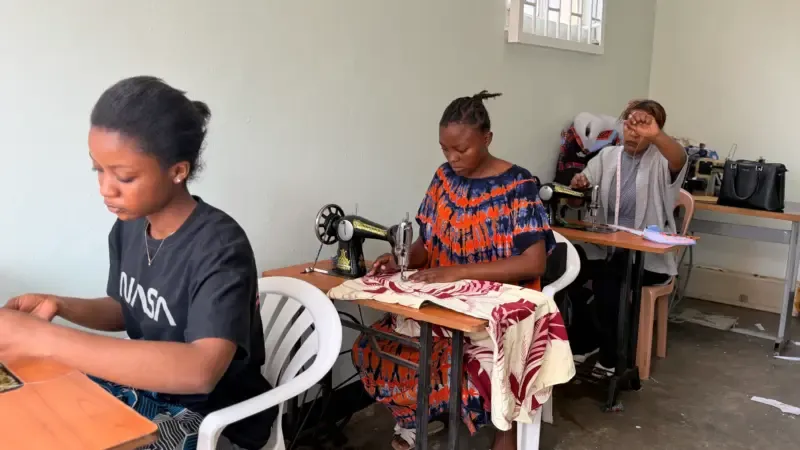
In Kampala's vibrant suburbs, you'll find refugees from the Democratic Republic of Congo (DRC), Somalia, and South Sudan not just existing, but thriving as entrepreneurs. They're launching businesses in food, fashion, and cosmetics, turning the instability they fled into a surprising engine for Uganda's economy and social harmony. It's an invisible migration, powering an unexpected boom.
We're a new kind of news feed.
Regular news is designed to drain you. We're a non-profit built to restore you. Every story we publish is scored for impact, progress, and hope.
Start Your News DetoxFrom Conflict to Commerce
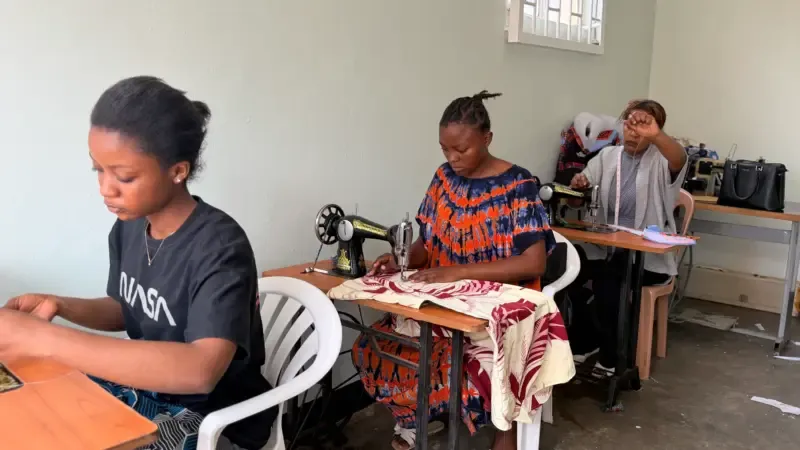
Take John Babish Makando. He runs a tailoring business in Makindye, a wonderfully diverse suburb. John fled conflict in Eastern DRC in 2019 and headed straight for Kampala, armed with little more than his skills and a refusal to be defined by his refugee status.
John's secret weapon? Punctuality and precision. He swears it's a rarity in the local market, and his reputation for quality and meeting deadlines has made him a local legend. He's also supporting the city in another crucial way: taxes. Urban refugees like John receive virtually no financial aid, yet they pay an annual Kampala City Council Authority (KCCA) Trading License, which can range from $8 for a basic stall to $24 for workshops. Artisans also chip in a Local Service Tax based on their income. These aren't just small fees; they're steady contributions to city development.
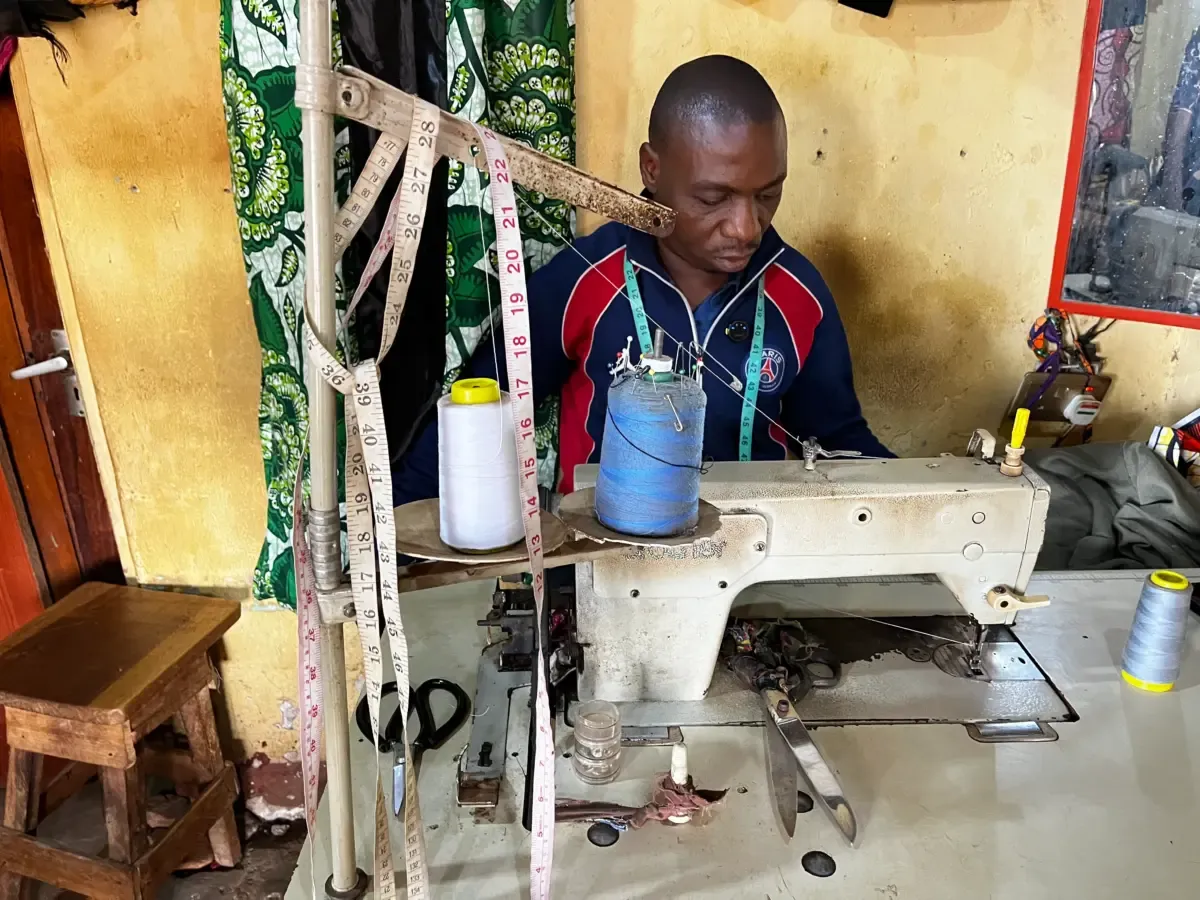
John’s journey started with a three-month vocational course. Now, he’s paying it forward, teaching those same skills to other refugees and Ugandans, emphasizing that "my neighbor is my first family." A sentiment that builds more than just clothes, apparently.
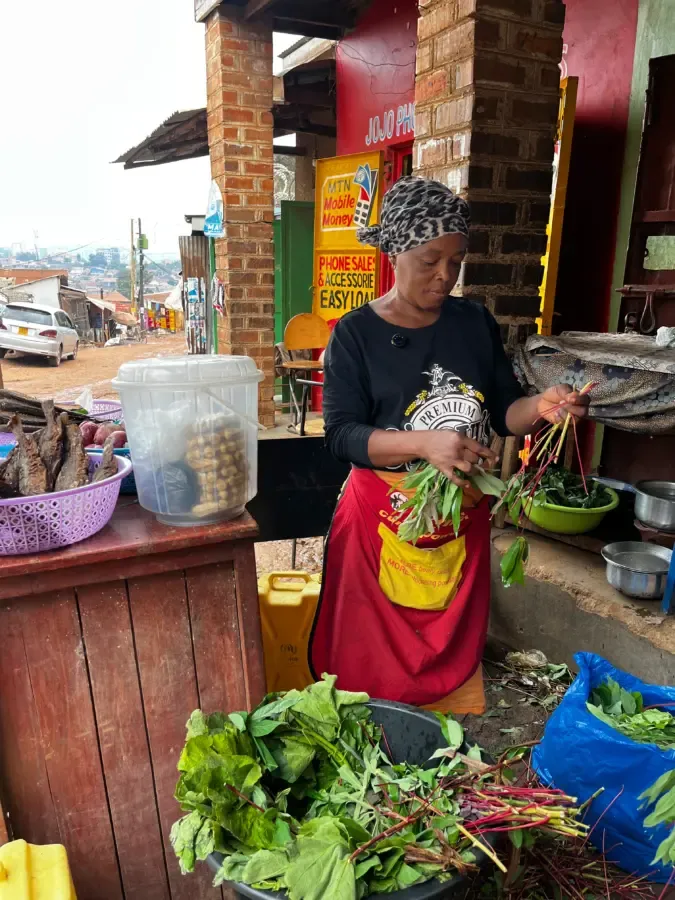
Meanwhile, Amina, another Congolese refugee in Makindye, has cornered the market on fresh produce. Her stall is a culinary crossroads, meeting the high demand for vegetables like tomatoes and greens, but also specializing in sombe (cassava leaves), susha, dodo, and eggplants — favorites among her Rwandan, Burundian, and Sudanese clientele. "Ugandans love Congolese food and Congolese love Ugandan food," she notes, proving that good food really does transcend borders. Her stall isn't just feeding her family; it's bolstering the city's informal economy and food security.
The Power of Self-Reliance
The Bondeko Refugee Livelihoods Center in Najjanankumbi's Stella Village is a key player in this transformation. Founded in 1997, Bondeko's mission is simple: help refugees help themselves. Paul Kithima, the Executive Director, believes that solutions for refugees should, logically, come from refugees.
The center trains people in everything from hairdressing and tailoring to ICT and makeup. Last year, Bondeko assisted over 3,500 individuals, a mix of refugees and Ugandans, fostering social harmony one skill at a time. They also run 37 savings groups, helping 1,110 people master entrepreneurship and financial literacy, even assisting them in registering as Community Based Organizations to access loans. Because apparently, giving people a leg up is more effective than just a handout.
This shift to urban entrepreneurship isn't just a nice idea; it's becoming a necessity. With aid rations facing significant cuts in 2026, this "invisible migration" is rapidly becoming a survival strategy. Refugees are moving away from reliance on aid and stepping into active economic participation. As Paul Kithima and the entrepreneurs of Makindye show, when given the tools, refugees don't just survive — they help build the future of their new home, one perfectly tailored suit or plate of sombe at a time.