Only a tiny sliver of American homes — about 5% to 7% — currently sport solar panels on their roofs. Turns out, a lot more people would love to ditch the electric bill, but they're often thwarted by sky-high costs, apartment living, or landlords who prefer their tenants don't mess with the roof.
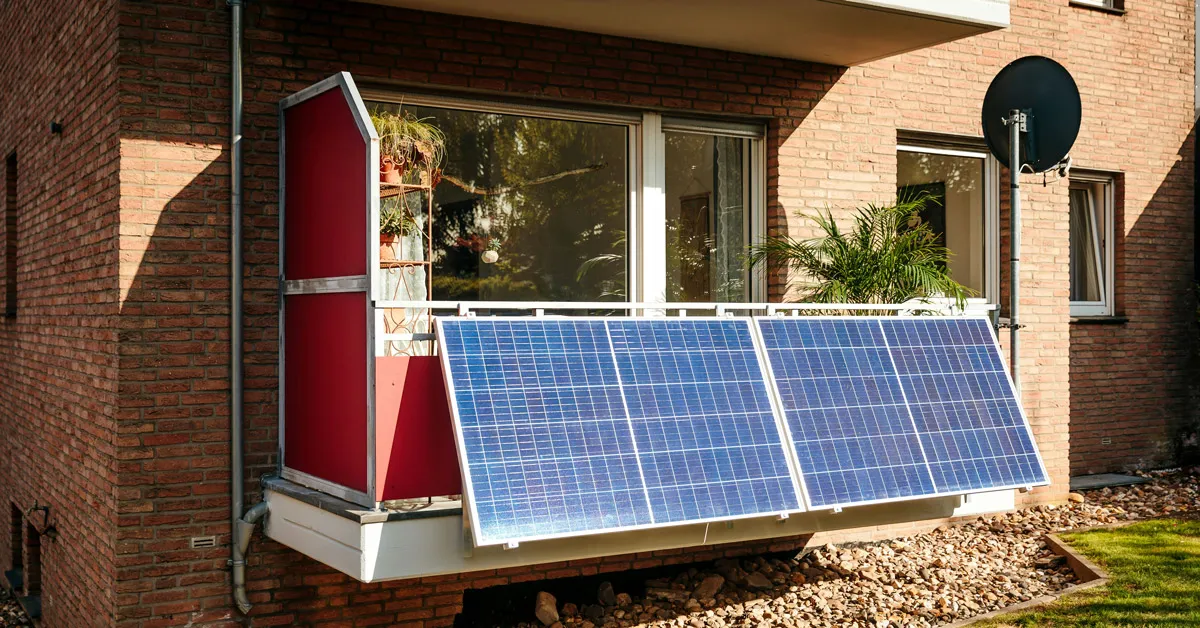
Enter the unassuming hero: plug-in solar systems, affectionately known as balcony solar. These are the DIY answer to energy independence, generating electricity from the sun without requiring a construction crew, a small fortune, or a lengthy consultation with the utility company. Just plug and play.
Think small, manageable solar panels that can hang out on your balcony, deck, or in the backyard. You literally just plug them into a standard outlet, and voilà, they're feeding power into your home's electrical system. Because apparently, that's where we are now.
We're a new kind of news feed.
Regular news is designed to drain you. We're a non-profit built to restore you. Every story we publish is scored for impact, progress, and hope.
Start Your News DetoxEurope's Sunshine Secret
Europe has been hip to the balcony solar game for over a decade. They're especially popular with renters who, for obvious reasons, can't just slap a permanent solar array on someone else's roof. In Germany, for instance, these systems helped push solar adoption to a respectable 10% of homes. Germans can buy these kits off the shelf and get them running faster than you can say "renewable energy dividend."
The best part? Experts estimate these systems pay for themselves in less than three years, given current German electricity prices. Let that satisfying number sink in.
The US Finally Catches Up
For years, the biggest hurdle in the U.S. has been bureaucratic absurdity. Plug-in solar systems, despite their built-in safety features that prevent power surges back to the grid, were treated like their massive rooftop cousins. Meaning: professional installation, permits, and enough paperwork to fell a small forest.
But the tide is turning. Utah, bless its innovative heart, passed a law in 2025 that nixed these requirements for plug-in systems under 1,200 watts. Maine followed suit, and Colorado's law is just waiting for the governor's signature. Both are expected to light up in 2026. Vermont's Senate has also given a bill the green light, and now an impressive 25 other states are considering similar legislation.
To add another layer of legitimacy, UL Solutions, the folks who certify pretty much everything for safety, announced a new standard for U.S. plug-in solar systems in early 2026. Because nothing says "safe to use" like a stamp of approval from the people who check if your toaster won't spontaneously combust.
The Watt's Up with Savings?
Expect to shell out between $1,200 and $2,000 for a balcony solar setup. But those panels could shave several hundred dollars off your electricity bill each year, depending on where you live and how much your power company is currently charging you for the privilege of flicking a light switch.
While they won't power your entire mansion (unless your mansion is just a really efficient fridge and a laptop), they're perfect for running smaller appliances: refrigerators, LED lights, laptops, phone chargers, TVs, and fans. They can even offer a bit of juice during an outage, which, if you think about it, is both impressive and slightly terrifying in its simplicity.
And for the truly ambitious, mounting them on movable bases that track the sun can squeeze out even more power. Or, if you're in a perpetually sun-baked locale, positioning them as overhangs can create shade, reducing your need for AC. Which, let's be honest, is a genius move for both your wallet and the planet.
Demand for these systems is expected to surge, especially in sunny states with eye-watering electricity prices. So, if you've been eyeing that balcony for something other than sad, forgotten plants, now might be the time to consider a little solar power. Your future self (and your bank account) will thank you.