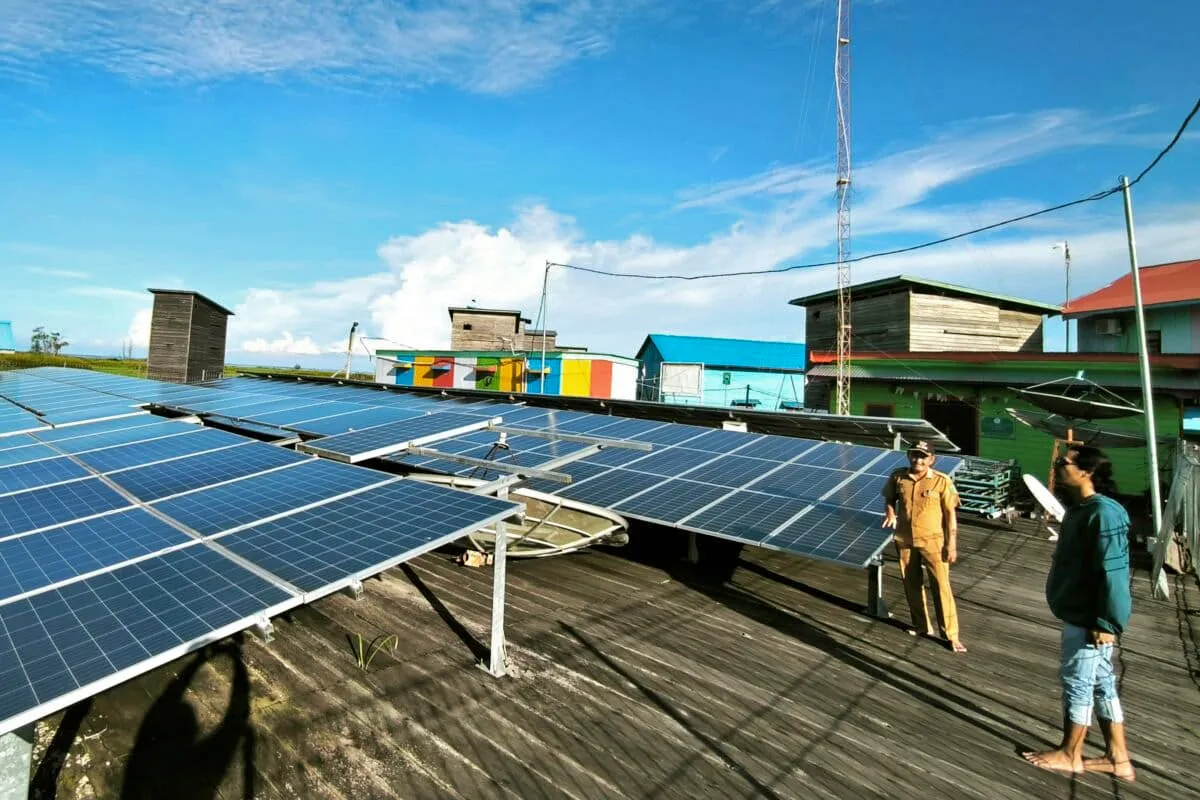
Imagine growing up in a village built entirely over water, where the only light after sunset came from a flickering candle. That was Asniah's reality in Muara Enggelam, a remote village in Indonesian Borneo, back in the 1990s. No power, no basic services, just stilt houses and darkness.
Fast forward to the early 2000s, and a few diesel generators rolled in, bringing a taste of electricity from dusk till dawn. A huge step, sure, but it came with a catch: villagers paid an astronomical amount for power compared to their city-dwelling counterparts. And those generators? They had a knack for breaking down, plunging everyone back into the dark.
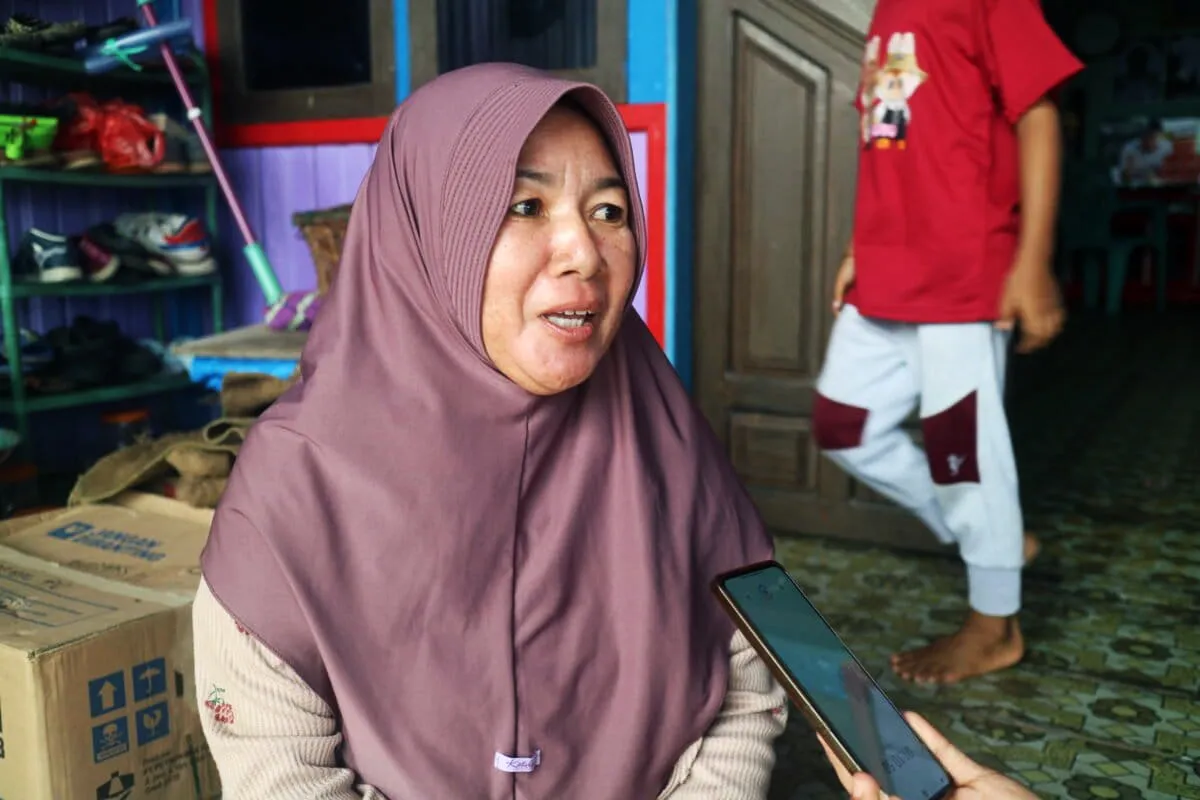
Asniah, now in her early 40s, recalls the gratitude, even with the glaring inequality. While her village struggled with intermittent, expensive power, cities enjoyed round-the-clock electricity. The irony was probably not lost on anyone.
We're a new kind of news feed.
Regular news is designed to drain you. We're a non-profit built to restore you. Every story we publish is scored for impact, progress, and hope.
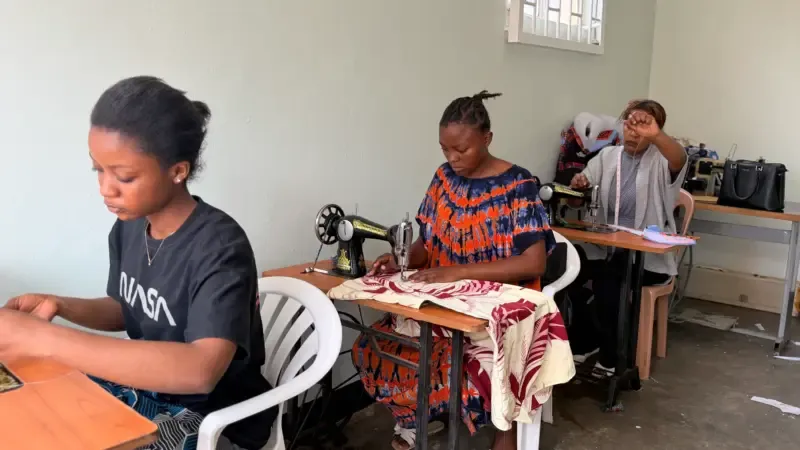
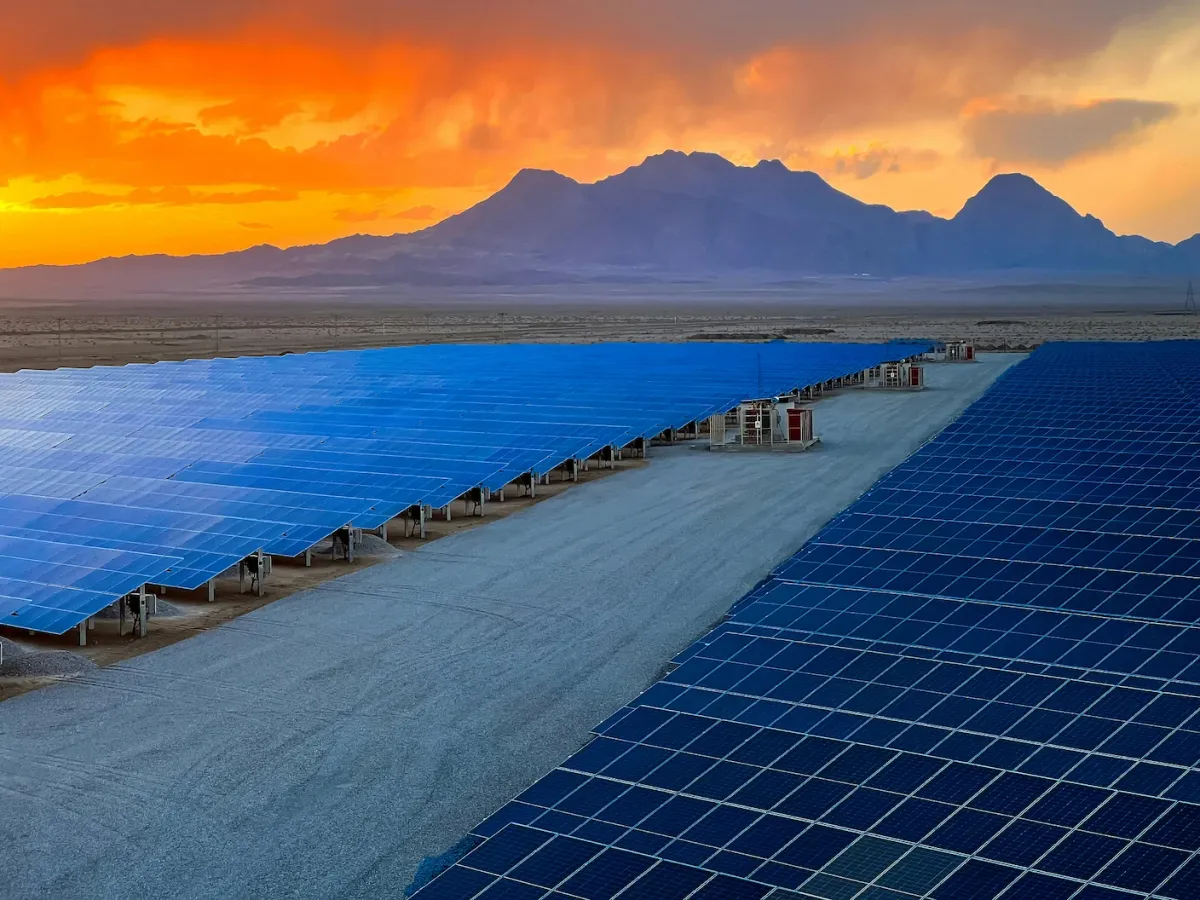
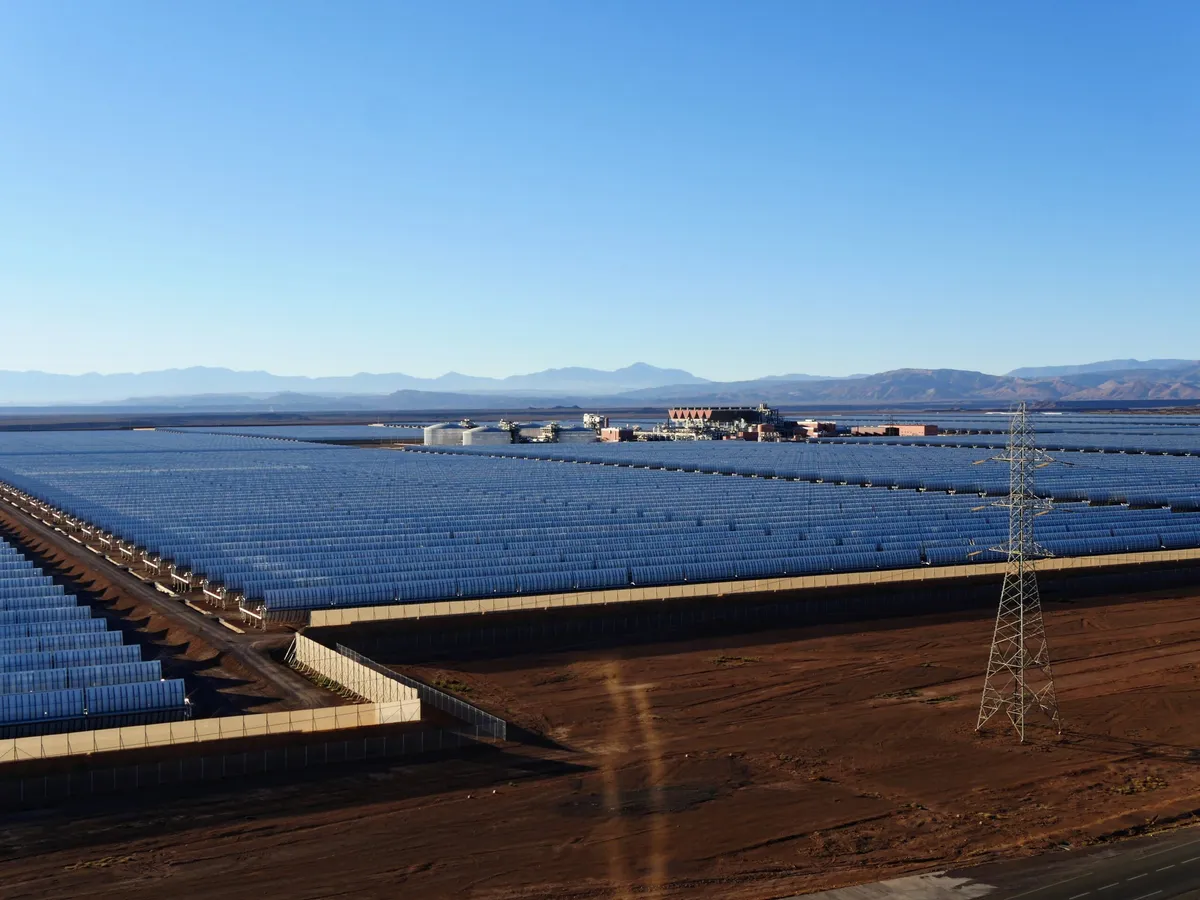
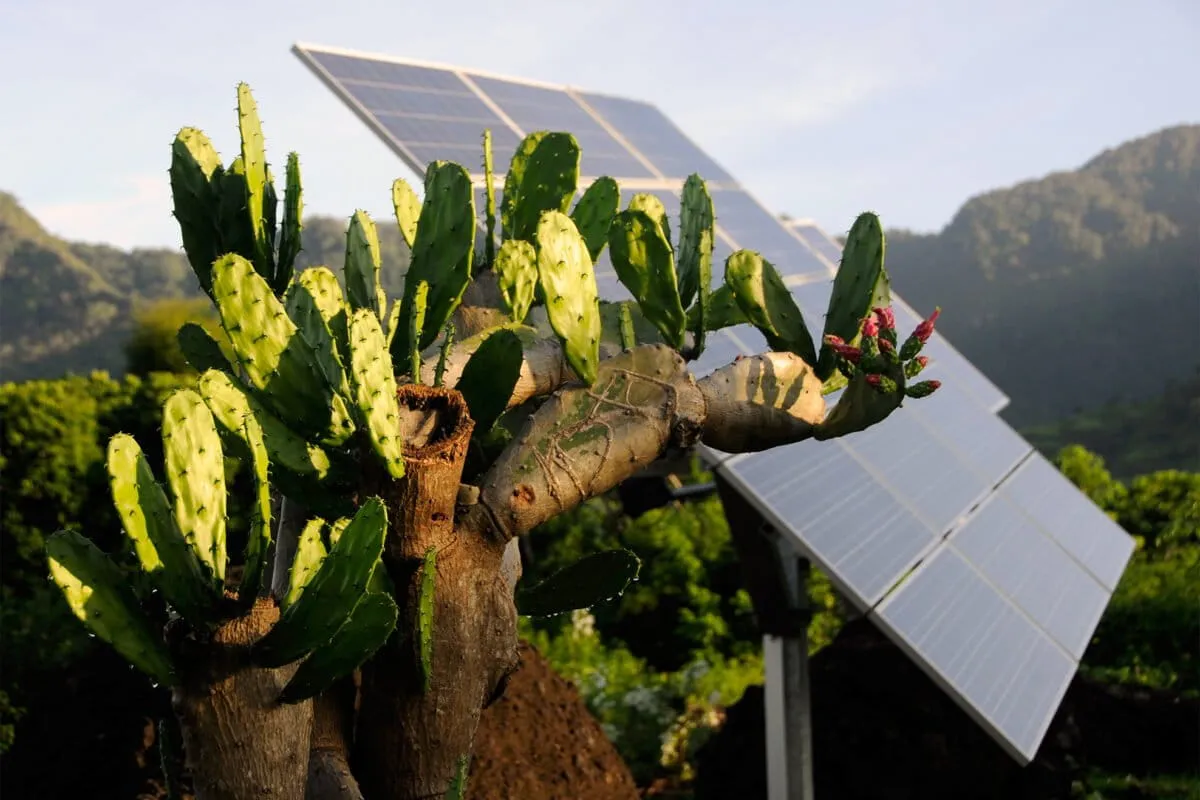
Start Your News DetoxNow, thanks to a new solar initiative, things are looking a little brighter. Stable electricity isn't just about turning on a light; it's a game-changer for women like Asniah. It means they can finally launch businesses, keep them running after dark, and support their families without being held hostage by a temperamental generator or an outrageous power bill.
It’s a powerful step forward, even if Indonesia's energy inequality — a holdover from colonial times — still casts a long shadow. Because apparently, the right to reliable, affordable electricity is still a luxury for some.