
Imagine living on the same plot of land for over six decades. You’ve built roads, schools, homes. Your kids grew up there. Their kids grew up there. But legally? You're a squatter. Just a temporary resident. That was the reality for the Lekiji community in Kenya until 2022, when 766 land title deeds finally landed in their hands, turning hundreds of pastoral families into legal homeowners.
It sounds straightforward, but this wasn't just a simple paperwork fix. This was the culmination of a fight stretching back to the 1960s, a battle fought in courts, on the land itself, and ultimately, by the government stepping in.
The Long, Absurd Road to Ownership
The story of Lekiji's land is a masterclass in colonial-era confusion and modern-day absurdity. Back in 1960, a white colonial farmer divvied up some plots for his former workers, creating a settlement of about 300 families. Nice gesture, right? Except the paperwork was, shall we say, informal. No legal titles. Just a handshake and a prayer.
We're a new kind of news feed.
Regular news is designed to drain you. We're a non-profit built to restore you. Every story we publish is scored for impact, progress, and hope.
Start Your News DetoxFast forward a few decades, and the same land magically transferred to a private owner named Nigel Trent through what residents politely called "corrupt transactions." By the early 2000s, Trent decided it was time for the Lekiji people to pack their bags. His claim? Formal ownership. The community's argument? They'd been there for fifty years, building lives on land that Trent's title might have been… questionable from the start. A real head-scratcher for anyone who believes in things like "history" or "common sense."
In 2012, a court sided with Trent, ordering over 400 Lekiji families to clear out within 90 days. Leave your homes, your schools, your entire existence, or face charges. The court decided the titleholder would lose more if denied possession. Apparently, living somewhere for half a century doesn't count for much when stacked against a fancy piece of paper.

But the Lekiji community wasn't going anywhere. With help from groups like IMPACT Kenya, they resisted. They delayed. They sought legal avenues. The conflict escalated, with clashes between police and community members becoming depressingly common between 2012 and 2022. Two community members even lost their lives in 2020. Because, apparently, that's what it takes to defend a home you've always known.
The State Steps In (Finally)
The solution didn't come from a court suddenly recognizing historical occupation. No, the Kenyan government finally bought the land from Trent in 2022. Then, like a very slow, very bureaucratic superhero, they transferred ownership to the Lekiji community, dividing it among 300 households. Each got about 2.25 acres. For residents like Eunice Amira, born in 1980 and a "squatter" her entire life, it felt like being "born again." Which, if you think about it, is both profound and a little sad that it took 42 years to get there.
This move provided legal certainty, but it also highlighted a common government approach: buy the problem, redistribute the land, and avoid making a definitive ruling on the knotty issue of historical injustice versus formal titles.

The Women Take the Reins
Now, here’s where the story gets really interesting. Lekiji is a patriarchal society. Men traditionally control the money from farming and herding, while women manage the home. But traditional livelihoods aren't cutting it anymore, explained Fardosa Hassan, a Lekiji resident and Community Outreach Officer at Mpala Research Center. Young people are leaving, seeking better opportunities.
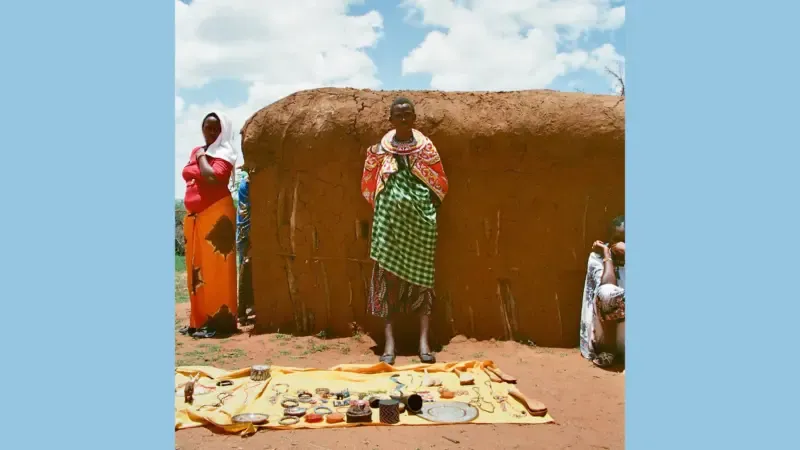
So, after the land settlement, a surprising thing happened: five acres were specifically set aside for women's economic activities. A small plot, yes, but it became a hub of ingenuity. Women started selling beadwork to tourists, building a guesthouse, growing fruits and vegetables for market, installing a solar-powered well, and even running a chicken farm. Because nothing says "economic empowerment" like a flock of laying hens and a reliable water source.
Hassan notes these ventures give women flexible income they control directly. That means money for school fees, food, healthcare. It means new skills in design, marketing, and business management. But it also means something more fundamental: a shift in power.
Women who once had little economic say are now at the decision-making table. Some have improved their relationships, others have gained independence. The Lekiji case proves that while formal land rights are a crucial foundation, it's how that land is accessed and controlled that truly reshapes a community. Securing the land was just the first act; who benefits from it will write the rest of the story.