Imagine a school where the biggest test isn't on algebra, but on how well you can grow a tomato. Or where students actually vote on school decisions. Sounds a bit wild, right? Well, across India, a quiet revolution has been brewing in education for years, proving that learning doesn't have to be a one-size-fits-all, exam-fueled sprint.
Alternative schools, often drawing inspiration from philosophies like Waldorf and Steiner, are flipping the script. They're making creativity, emotional intelligence, teamwork, and plain old curiosity just as crucial as acing that history quiz. Because apparently, preparing kids for life might involve more than just textbooks.
The Un-Grade School Movement
Take Mirambika Free Progress School in New Delhi. Kids here learn in multi-age classrooms, blissfully unaware of the looming shadow of standardized tests. Following Sri Aurobindo's philosophy, the idea is that learning should unfold naturally, uniquely for each child. No arbitrary marks, just a focus on growing emotionally, physically, intellectually, and creatively. Academics are part of the pie, not the whole darn bakery.
We're a new kind of news feed.
Regular news is designed to drain you. We're a non-profit built to restore you. Every story we publish is scored for impact, progress, and hope.
Start Your News DetoxThen there's Aarambh Waldorf School, where lessons are designed to hit the "head, heart, and hands." Think less memorization, more movement, storytelling, and music woven into math and science. It’s about making learning engaging and, dare we say, fun.
Over in Mumbai, Tridha Waldorf School replaces rote learning with woodworking, gardening, and textile art. Yes, they still prep students for IGCSE exams, but the journey there involves getting your hands dirty and your imagination fired up. Because who says you can't learn geometry while building a birdhouse?
Democracy in the Classroom
Shishuvan School, also in Mumbai, takes things a step further. They're not just about self-paced learning; they're about student participation. Kids here are encouraged to question everything, explore their unique learning styles, and even vote on school decisions. Imagine that: actual democracy, before you can even legally drive.
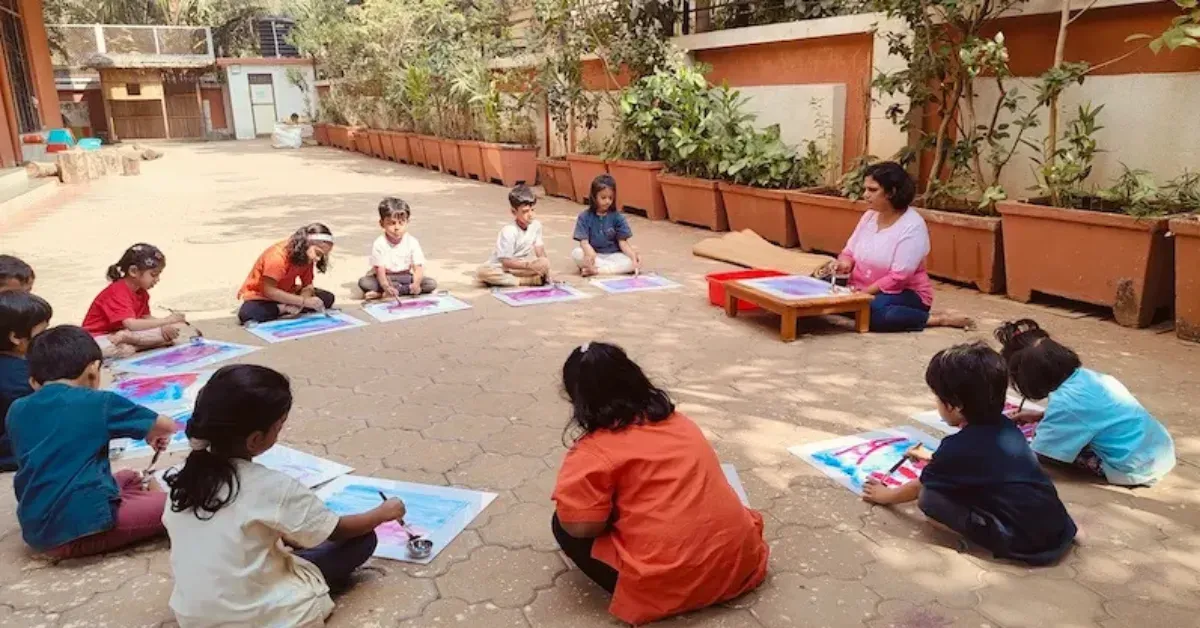
Meanwhile, Auroville’s Isai Ambalam School (meaning "Hall of Harmony") integrates art and music into every subject. Kindergarteners might draw the shapes and colors they feel when listening to music. It's about experiencing concepts rather than just being told them. And if a kid struggled in a traditional system, this place is designed to help them find their rhythm.
Finally, Digantar School, founded way back in 1978 near Jaipur, has been championing child-centered, rural education for decades. They recognize that every child learns at their own pace, offering individual attention and flexible goals. It’s less about competition, more about actual understanding.
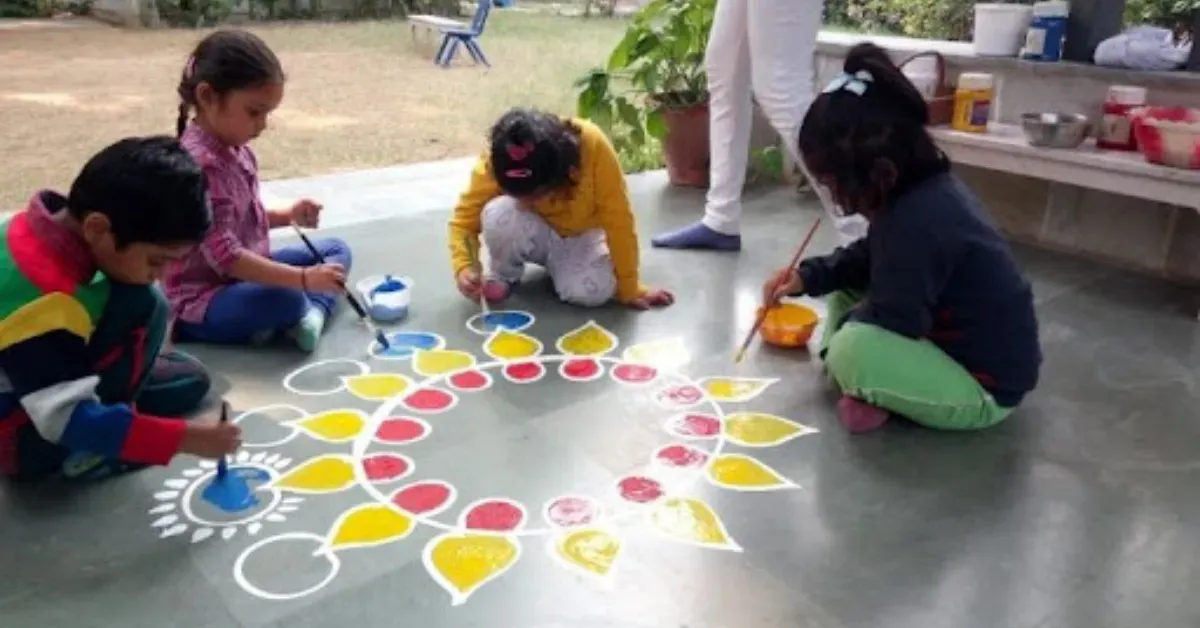
These schools aren't just an alternative; they're a provocative question to the mainstream: Is education just a conveyor belt to exams, or should it actually equip kids with the tools to navigate a fast-changing world, happy and whole? The answer, these institutions suggest, might involve a lot more dirt, paint, and thoughtful conversation.