Apparently, the future of environmental communication isn't just about stern warnings and shots of melting glaciers. It's about Indigenous youth, smartphones, and maybe a dash of K-drama.
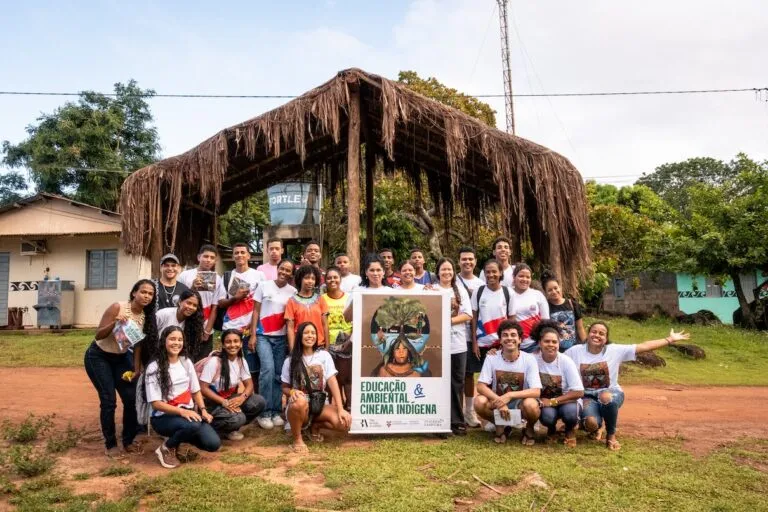
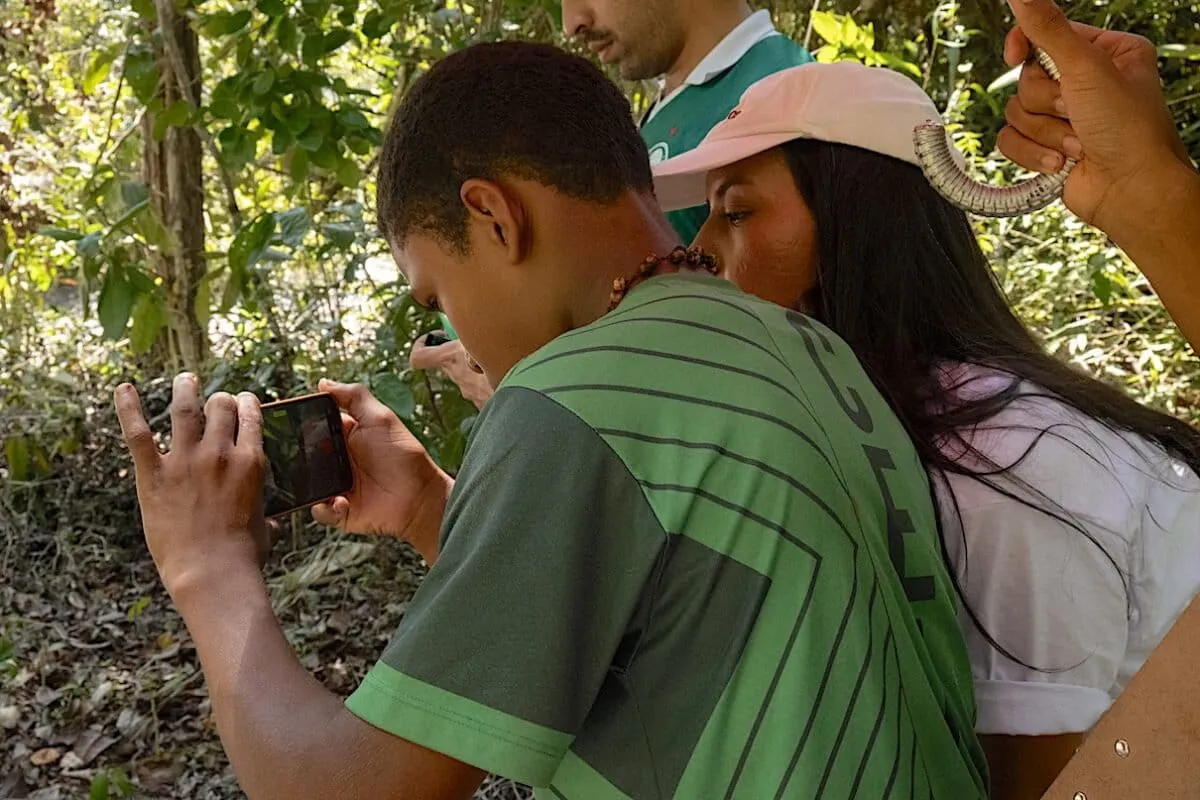
Down in Brazil's Bahia state, a project called "Environmental Education and Film in the Atlantic Forest" is handing smartphones to students in Tupinambá villages. The goal? To empower them to tell their own stories about the environment, rather than waiting for someone else to do it. Because, let's be honest, those stories tend to get a bit... predictable.
Not Your Grandma's Nature Film
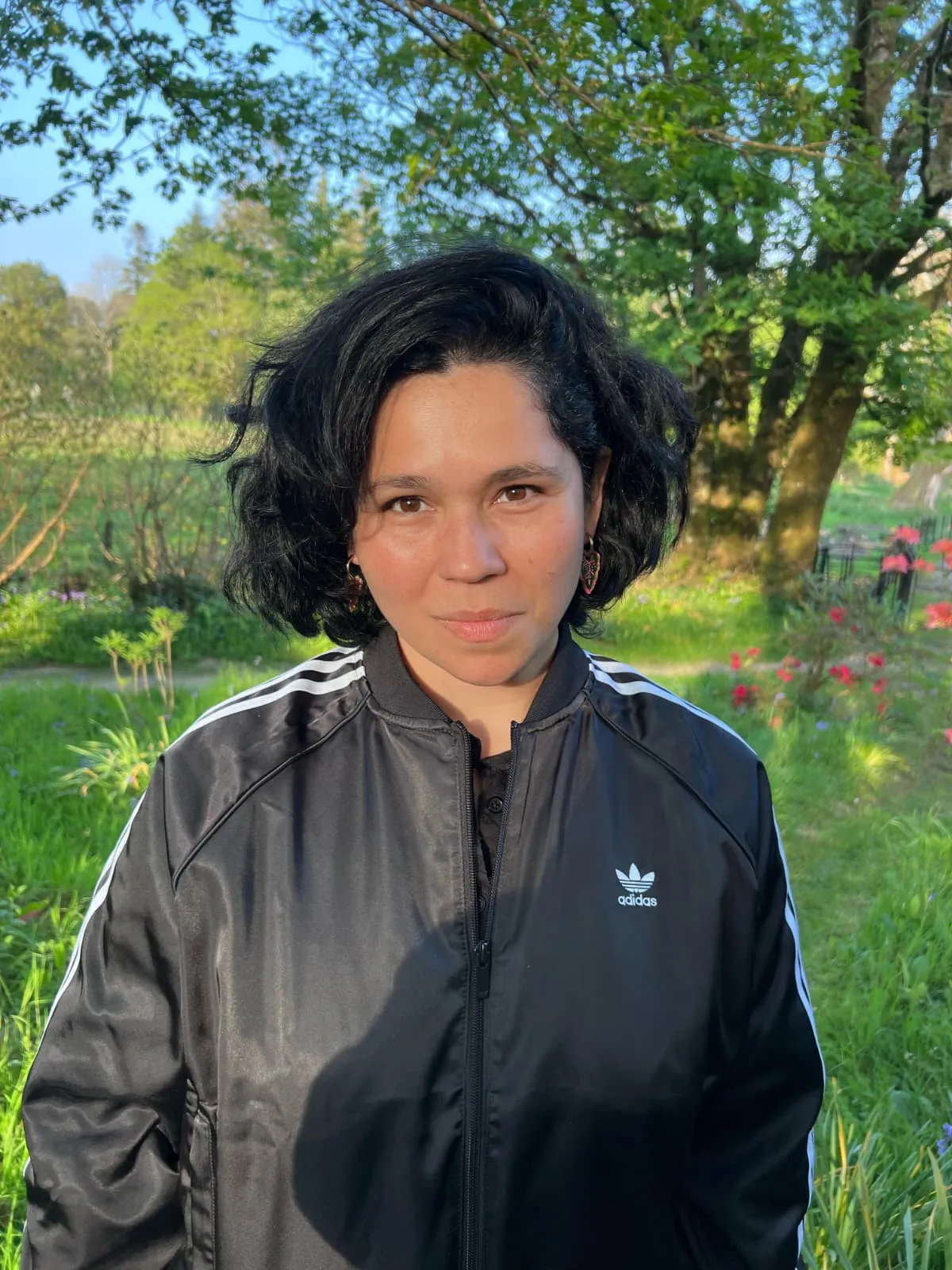
This initiative, co-developed by researchers from the University of London and Indigenous filmmaker Olinda Tupinambá, is all about making movie-making as easy as, well, pulling out your phone. But it's also about shattering preconceptions of what "Indigenous cinema" even looks like.
We're a new kind of news feed.
Regular news is designed to drain you. We're a non-profit built to restore you. Every story we publish is scored for impact, progress, and hope.
Start Your News DetoxWhen the project leaders asked the students about their favorite films, the answers weren't exactly a list of classic documentaries. We're talking K-dramas, action flicks, comedies, and horror. Which, if you think about it, is far more interesting than a bunch of aspiring David Attenboroughs.
This wide-ranging taste in storytelling is exactly what the project hopes to harness. Instead of just documenting deforestation, these kids might just be crafting eco-horror films or environmental rom-coms. Because sometimes, the most powerful way to make a point is to make people laugh, scream, or cry — not just nod sagely at a graph. And frankly, a zombie apocalypse caused by unchecked pollution sounds like a far more compelling watch than another pie chart.