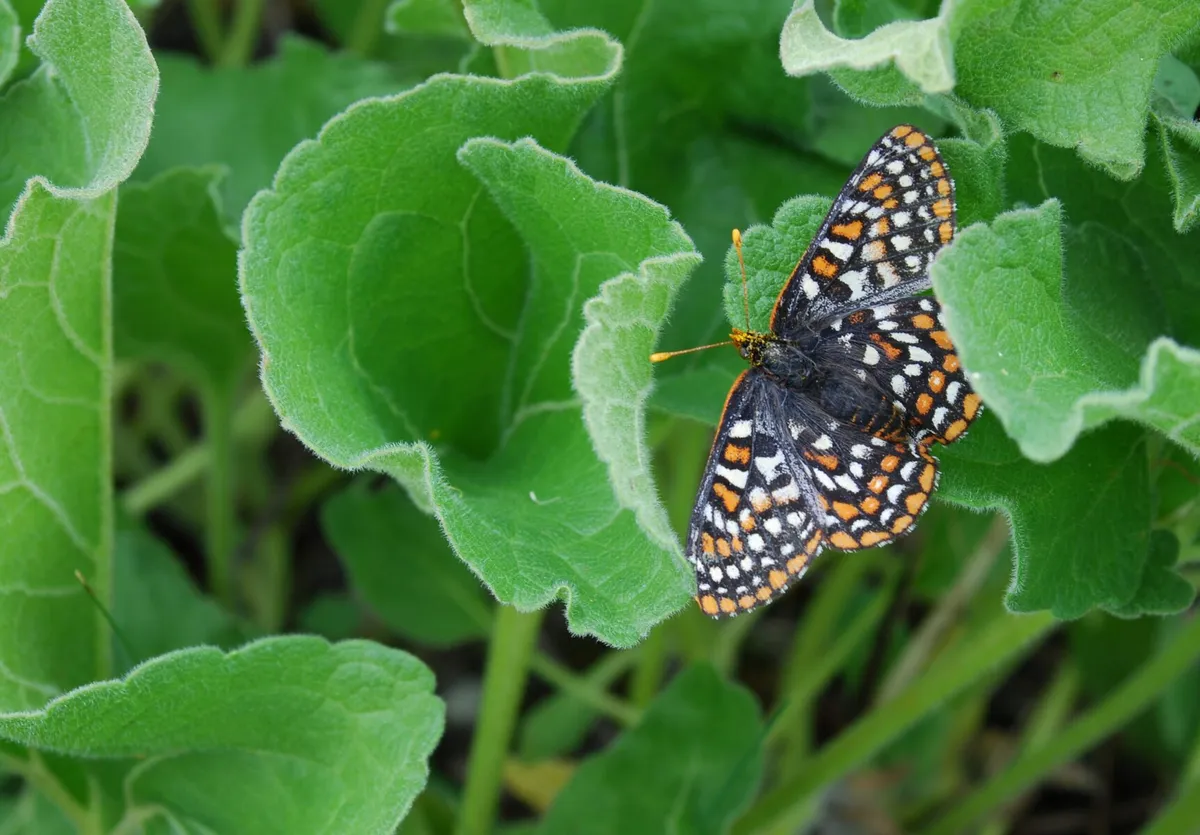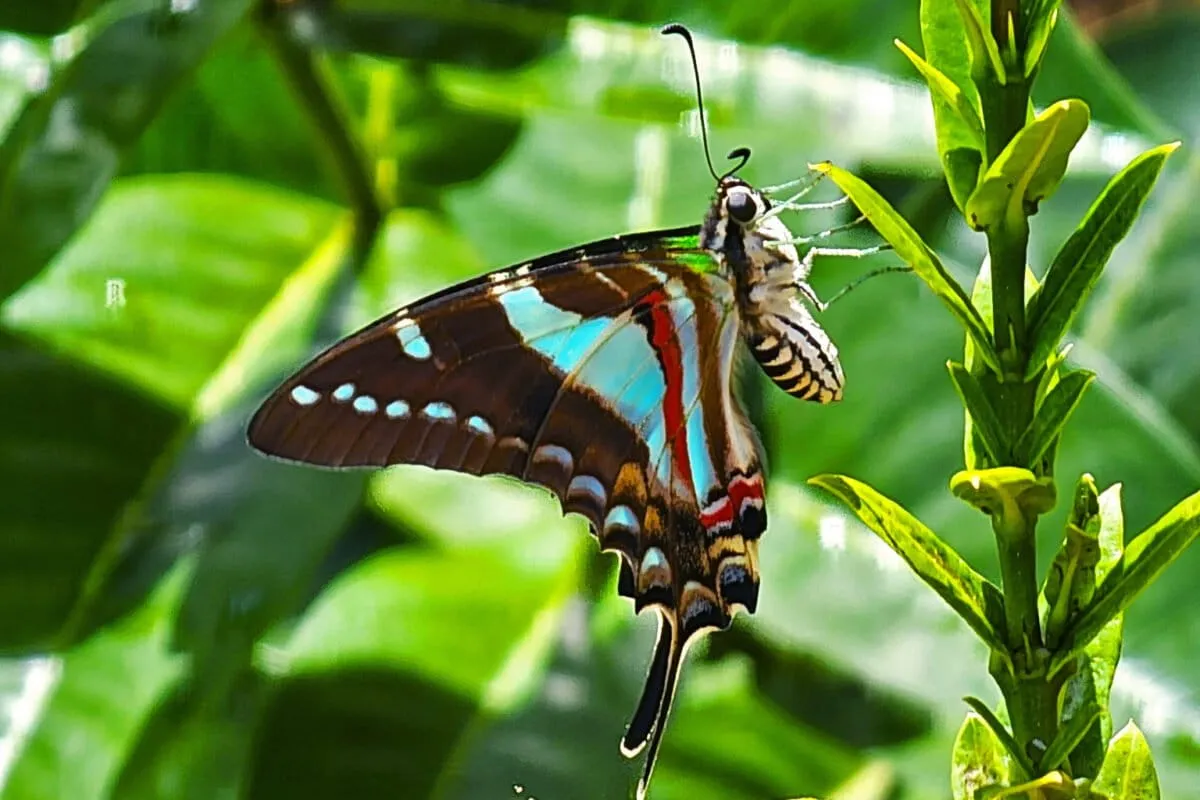
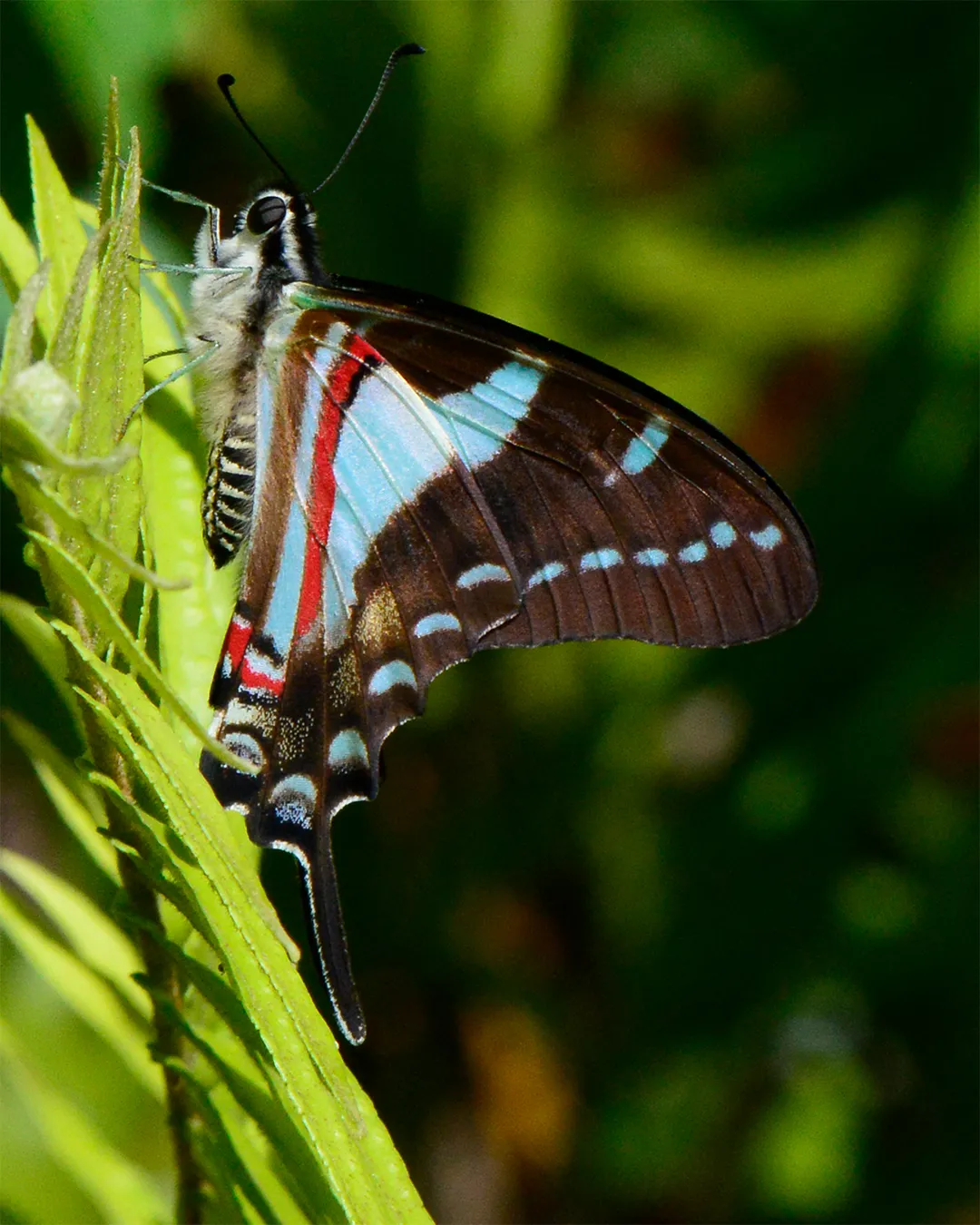
Imagine a butterfly with the iridescent flash of turquoise, the boldness of black, and a few defiant red spots, all topped off with long, elegant tails. Now imagine it's so rare, it's practically a rumor.
That's the Jamaican kite swallowtail, a small, speedy creature that calls Jamaica's limestone forests home. And after decades of dwindling numbers, the U.S. Fish and Wildlife Service (USFWS) has finally proposed listing it as endangered under the Endangered Species Act (ESA). Because apparently, that's where we are now: the U.S. stepping in to protect a Jamaican butterfly.

The Case of the Missing Millions
Here's the gut punch: In the 1960s, a robust 750,000 of these beauties fluttered across the island. Today? We're talking somewhere between 50 and 250. Some years, the count is a big fat zero. Let that sink in. From nearly a million to barely a handful in half a century.
We're a new kind of news feed.
Regular news is designed to drain you. We're a non-profit built to restore you. Every story we publish is scored for impact, progress, and hope.
Start Your News DetoxScientists are so concerned, they're pushing to upgrade its status on the IUCN Red List from merely "vulnerable" to "critically endangered." Which, if you think about it, is both impressive and slightly terrifying.
Dianne DuBois, a senior scientist at the Center for Biological Diversity, described the proposed listing as a "real turning point." Her group has been trying to get this protection since 1994. Yes, you read that right: 1994. They finally had to sue the USFWS in 2021 just to get this proposal on the table. "We wish this proposal had come three decades ago," DuBois said, with what we can only assume was a very dry sigh.
Still, the ESA has a pretty stellar track record, having prevented extinction for a reported 99% of the species it protects. So, while it might take an average of 12 years to get listed (and, apparently, 30 to get a proposal), there's hope for this little turquoise flash. Provided, of course, there are still a few left to protect.