Sir David Attenborough, the legendary naturalist who's probably taught you more about the natural world than your high school biology teacher, is turning 100 on May 8th. And what do you get the man who has seen it all? A new genus of parasitic wasp, naturally.
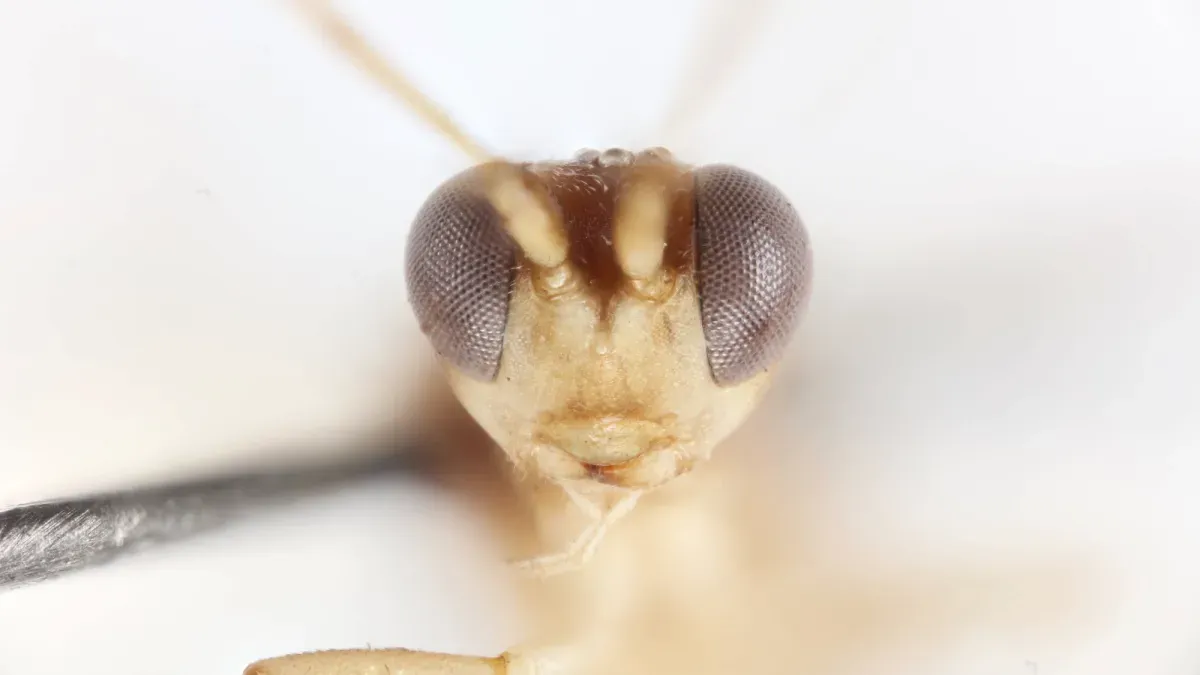
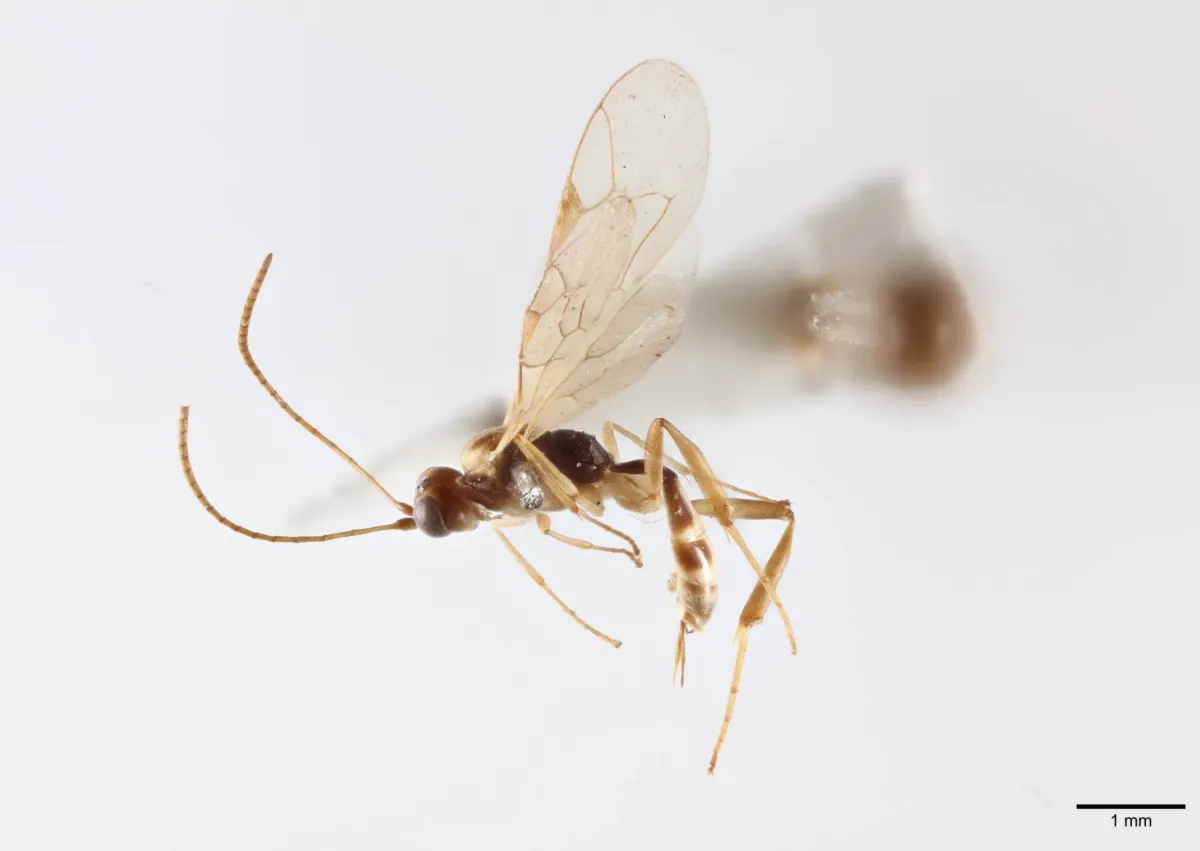
Meet Attenboroughnculus tau, a minuscule, 0.14-inch-long insect discovered in Chile. Its name is a nod to its T-shaped belly mark – because even tiny wasps deserve a little flair. This particular specimen was first collected way back in 1983, but it took scientists over four decades to officially recognize it as a brand-new species. Apparently, good things (and tiny, overlooked wasps) come to those who wait.
Jennifer Pullar, a science communications manager, is hoping this discovery inspires other researchers to dig through their collections. Because, as she points out, you never know what crucial, tiny piece of the natural world might be hiding in plain sight. It took a keen-eyed volunteer, Augustijn De Ketelaere, to spot the wasp's unusual features while sifting through the Natural History Museum's archives. Its unique curved abdominal segment, egg-laying teeth, and distinct wings and legs set it apart from its known relatives.
We're a new kind of news feed.
Regular news is designed to drain you. We're a non-profit built to restore you. Every story we publish is scored for impact, progress, and hope.
Start Your News DetoxNot Just Any Wasp, a Bodysnatcher Wasp
Now, you might think naming a parasitic wasp after someone is a bit… backhanded. But Attenborough is likely thrilled. He's featured parasitoid wasps in his documentaries before, even affectionately dubbing them "bodysnatcher wasps" in "The Trials of Life." So, he's basically been asking for this.
Researchers Gavin Broad, Augustijn De Ketelaere, and Jennifer Pullar explained their choice, noting Attenborough's extensive work showcasing Chile's diverse landscapes and the resilience of its species. They highlighted how his documentaries reveal the hidden parts of nature, which, if you think about it, is a perfect parallel to finding a new species in an unsorted museum drawer. It's almost poetic.
This isn't Attenborough's first rodeo when it comes to having creatures named after him; he's got over 50 species in his biological fan club, including a carnivorous plant. But a tiny, newly-identified parasitic wasp for his centennial? That's just peak Attenborough. Let that unsettling honor sink in.