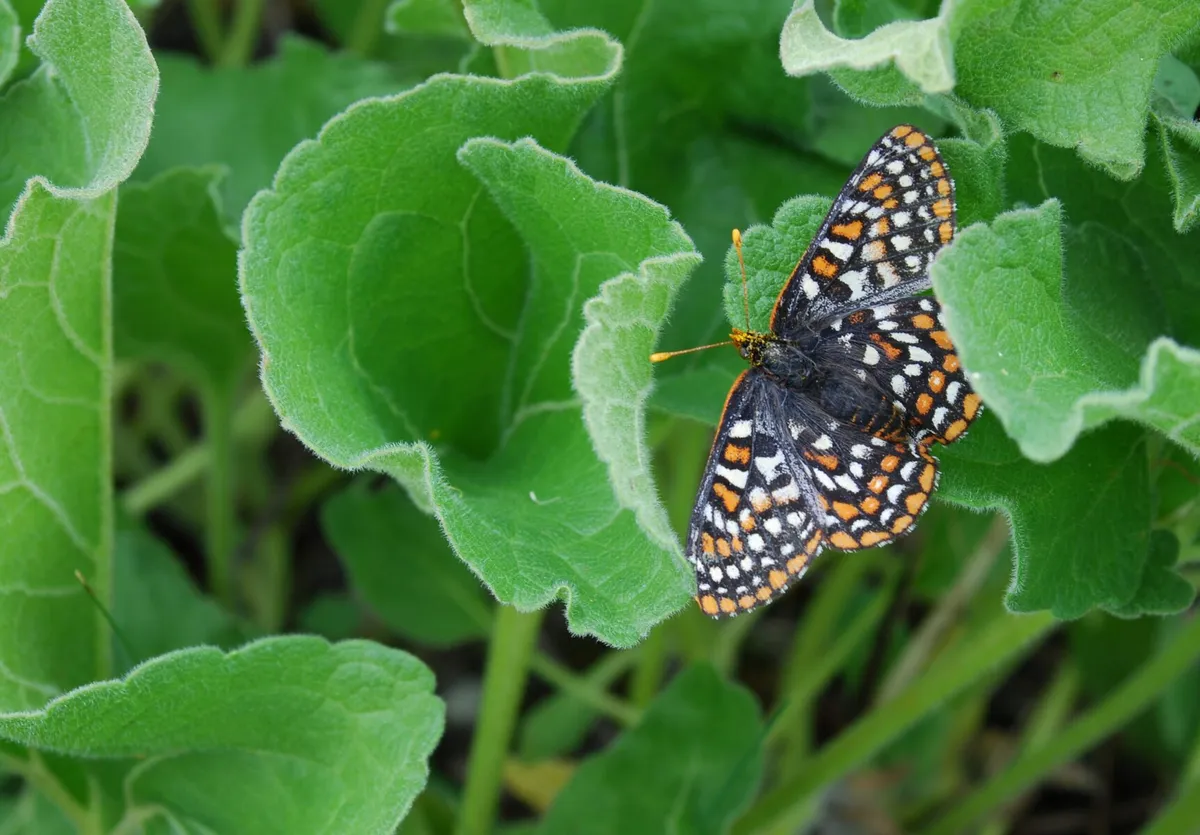
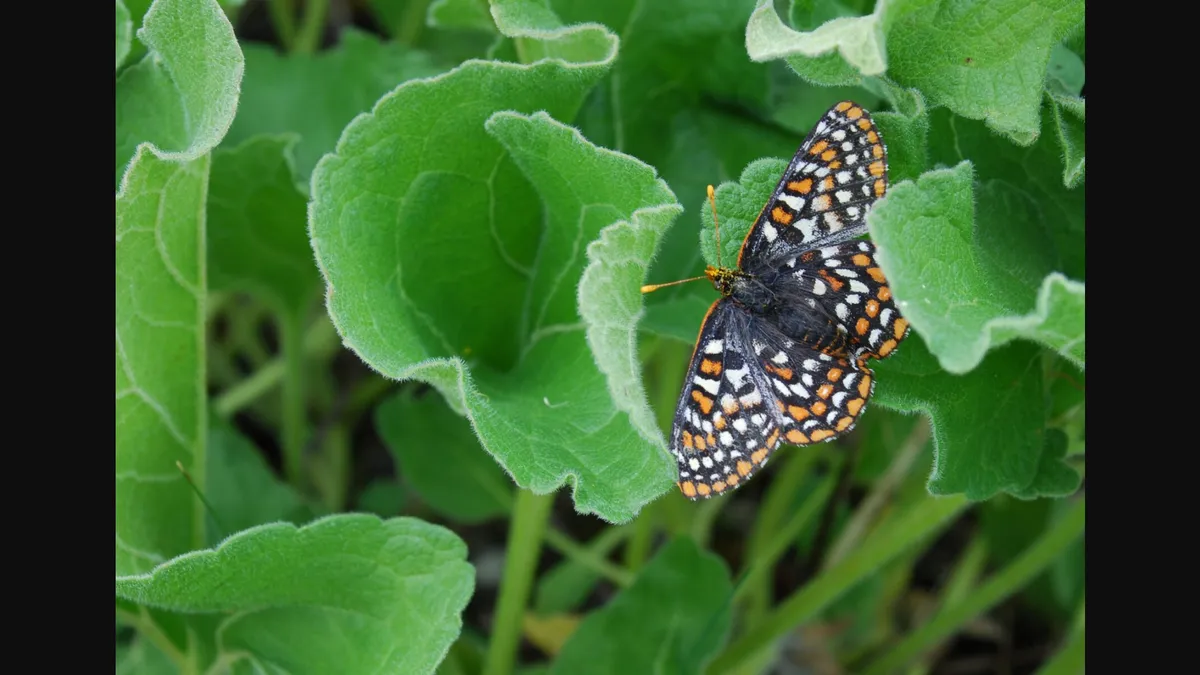
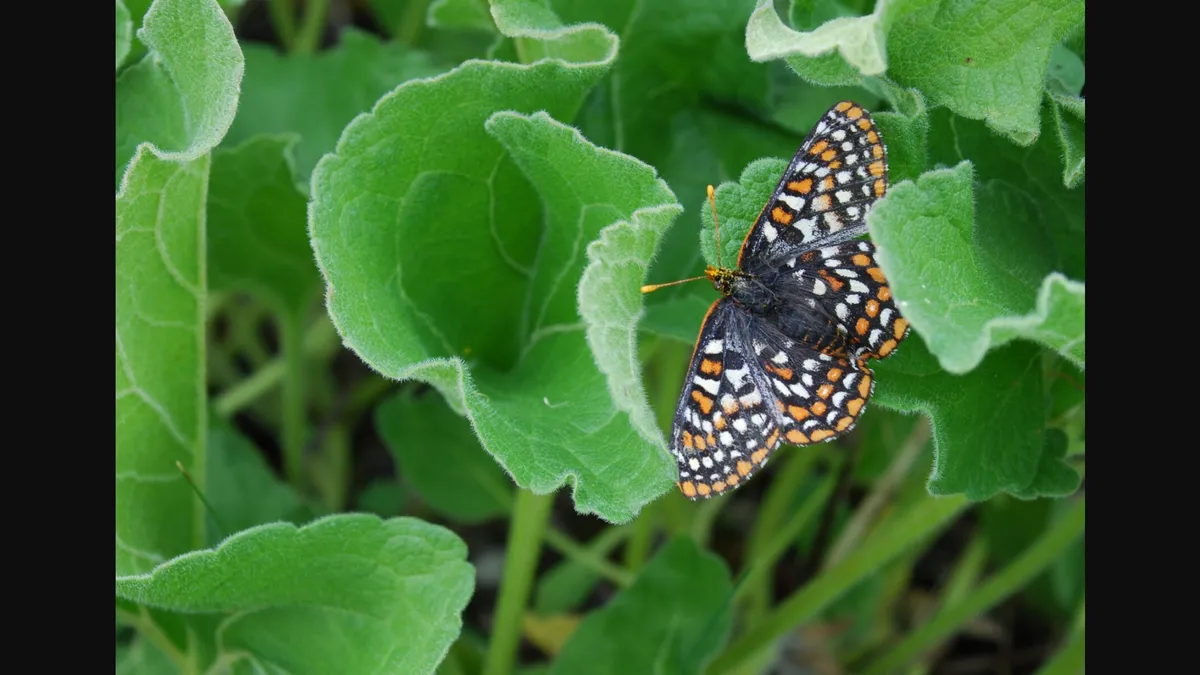
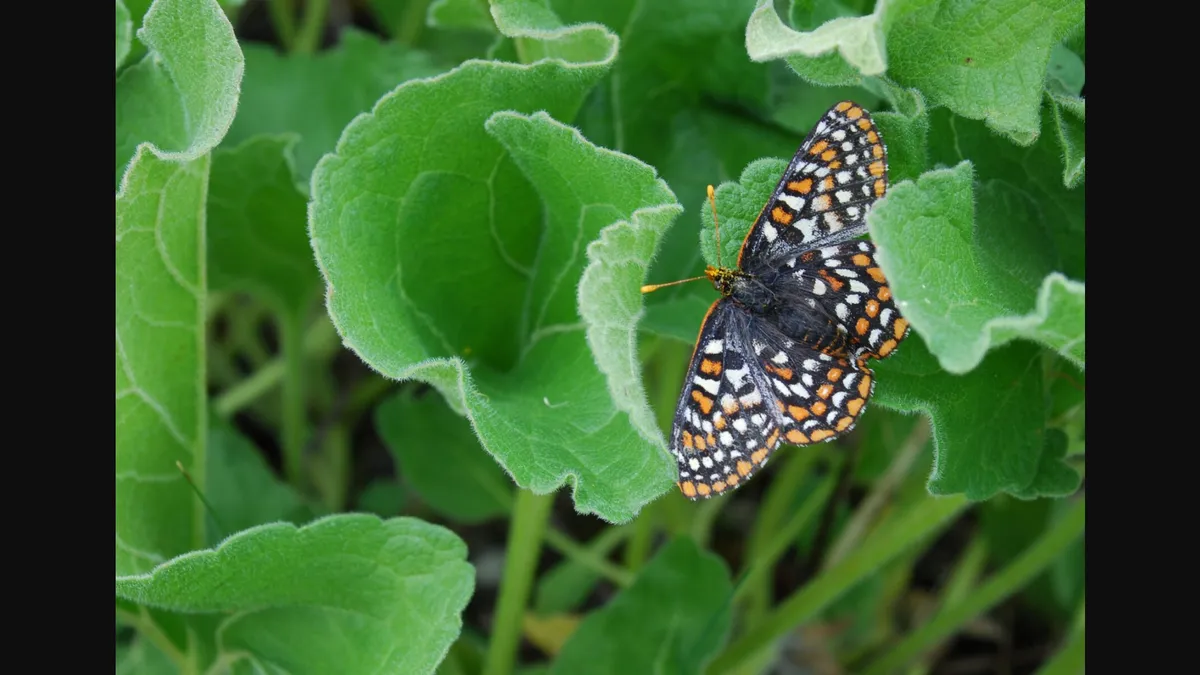
On a cool spring morning in Washington state, an endangered species is being saved. This work happens in a greenhouse near a women's prison. Inside, women care for tiny eggs and larvae of the Taylor’s checkerspot butterfly.
These women, like Margaret Taggart, find purpose in their work. Taggart says she always loved nature but didn't know butterflies could be endangered. The program taught her a lot.
Saving Butterflies and People
Kelli Bush, who runs the program for the Sustainability in Prisons Project (SPP), calls raising butterflies in captivity a "last resort." The Taylor’s checkerspot butterfly has lost 97% of its natural home. This is due to building, farming, and invasive plants. Without big efforts to restore its habitat, the butterfly cannot survive in the wild. The prison program might be saving it from extinction.
We're a new kind of news feed.
Regular news is designed to drain you. We're a non-profit built to restore you. Every story we publish is scored for impact, progress, and hope.
Start Your News DetoxThe program helps both the butterflies and the people who care for them. Taggart started training as a butterfly technician in January 2025. She applied and interviewed, just like for a job outside prison. This felt "real" to her.
Taggart describes the work as repetitive, rewarding, and gentle. Each butterfly is raised alone on its own plant to prevent disease and keep its genes diverse. The women track egg clusters to keep family lines separate. They constantly feed, clean, and watch the growing larvae. Taggart checks her butterfly's eating, drinking, and plant every day. They record growth, deaths, and environmental conditions, which helps conservation science.
Taggart feels a strong connection to the butterflies. She says watching them grow from birth is very fulfilling.
A Program with Double Impact
Since it began, the program has helped raise and release 80,000 caterpillars into restored prairie areas. The program has two main goals: to save a species that needs help to survive, and to give incarcerated women education and engagement they rarely get in prison.
Kelli Bush explains that education makes people 43% less likely to return to prison. Also, connecting with nature improves health. Every prison in Washington state has an SPP program. These programs include beekeeping, gardening, and raising endangered turtles or frogs. The Department of Corrections works with scientists to help both nature and people.
Bush says they choose species based on need, how practical it is, and respect for the people doing the work. The Taylor’s checkerspot was a good choice because it was in danger. Also, conservation partners understood the program was for education and training, not just cheap labor. The technicians have helped improve the methods over time, making it a shared scientific effort.
Every spring, conservationists bring wild female butterflies with eggs into the greenhouses. The women place them on plants in controlled conditions. When the eggs hatch, the women raise the larvae. In winter, the caterpillars "hibernate" in small containers. They wake up in late winter to eat again.

Adult butterflies live only a few weeks, but the larval stage lasts months. This work provides a steady rhythm for the technicians. Taggart says the greenhouse feels scientific and alive, with the smell of soil and a view of trees. Being around nature "changes things" for her.
The program also offers college credits through The Evergreen State College. Taggart has taken ecology courses and lab hours. She plans to get an associate degree after her release. Before prison, she worked in automotive service. Now, she wants a future in environmental work. She says the program gave her confidence to learn and grow.
Many groups support this work, including the U.S. Fish and Wildlife Service and scientists. The incarcerated technicians attend conservation conferences and visit sites where larvae are released. They sometimes present their findings and work with conservation experts as equals.
This visibility has a wider impact. Some former participants have gone on to higher education and public careers. Carolina Landa, an early butterfly technician, now works in the state legislature. For others, the impact is a quiet but strong sense of being capable. Taggart says the program has changed many lives, including her own.
The butterfly program started in 2011 with a less sensitive species. By 2012, it expanded to the Taylor’s checkerspot. It has become a model that other states and countries are interested in.
The work still faces challenges. The program has to match the slow pace of habitat restoration. There's no point in releasing many butterflies if their homes aren't ready. Also, the original facility closed, so the program is moving. Taggart and her colleagues are being bused to the old site while a new one is built.
Despite these changes, the main idea remains: the conditions that help a butterfly survive—care, stability, the right environment—are similar to what helps people grow. Taggart feels this possibility. She says it's something she can be proud of, seeing "another color in the rainbow." For a program born in captivity, this is a powerful outcome.