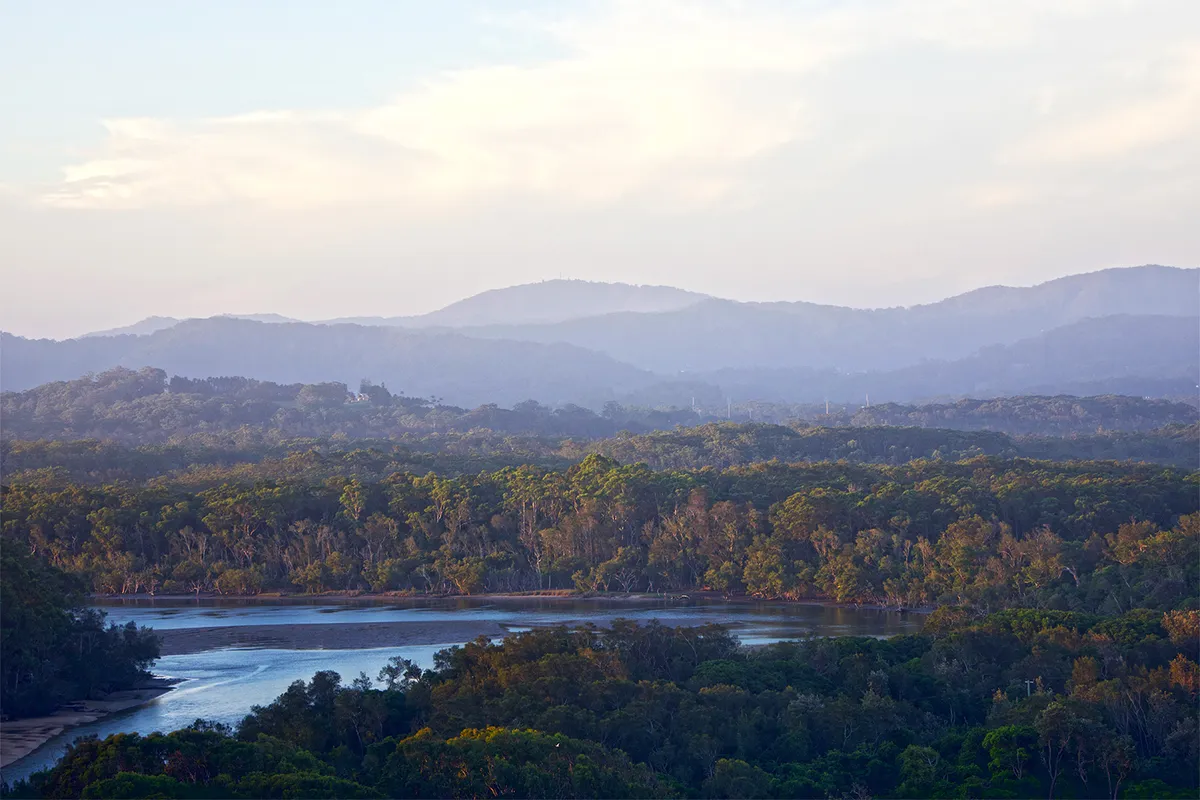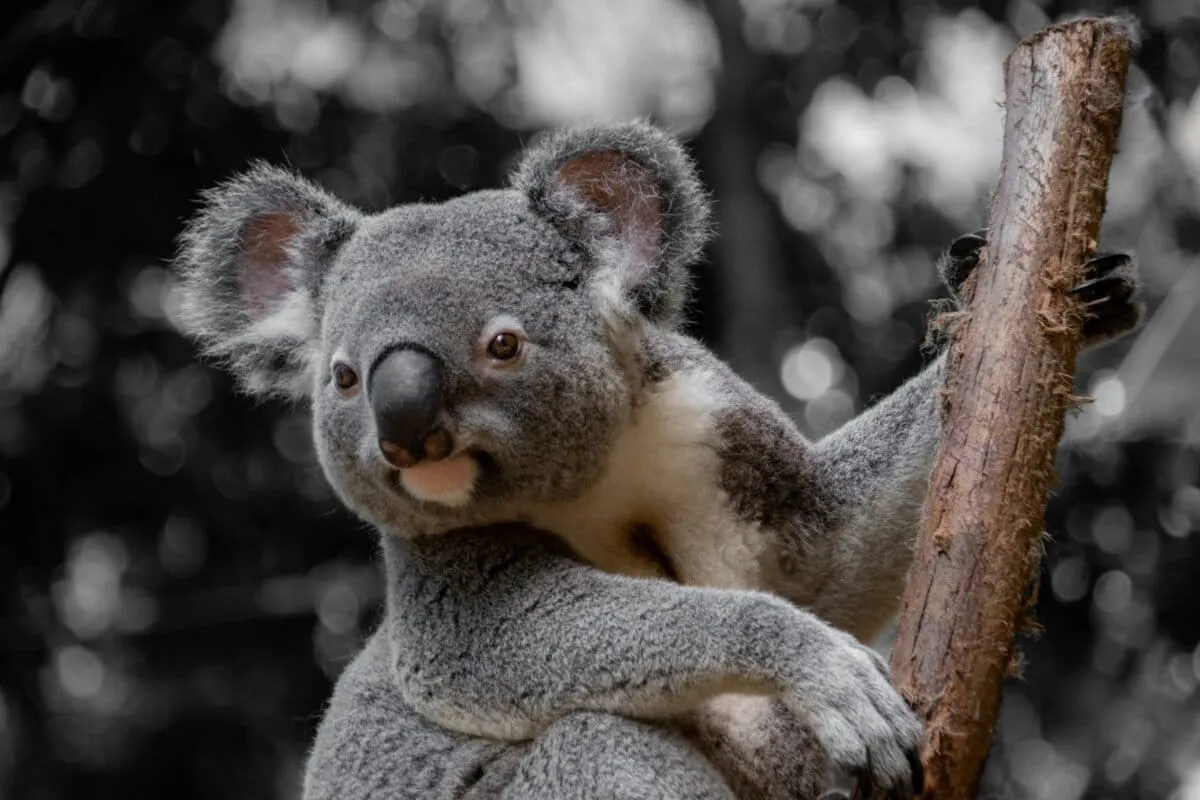
Remember when logging was a bit more, shall we say, nuanced? Ecologist Mark Graham does. He's seen the shift from selective harvesting to giant machines just flattening everything. And he's spent years butting heads with the timber industry over it. So, when he recently strolled through the Coffs Harbour Botanic Garden, pointing out centuries-old flooded gums and Bangalow palms — where wild koalas just hang out — it wasn't just a nature walk. It was a victory lap.
Because this very garden, a little slice of subtropical rainforest, is about to become a crucial link in something much bigger: the Great Koala National Park (GKNP). Think of it as a superhighway for marsupials, connecting habitats and giving koalas room to roam, find mates, and generally live their best, eucalyptus-munching lives.
A Long Road to Protection
The GKNP, set to be finalized by the Australian government in 2026 (though the exact paperwork date is still a bit fuzzy), isn't some overnight marvel. This thing is the result of 13 years of relentless campaigning by environmental and grassroots groups. Thirteen years. Let that number sink in. Mark Graham, naturally, was right there in the thick of it, a consistent, often dissenting voice.
We're a new kind of news feed.
Regular news is designed to drain you. We're a non-profit built to restore you. Every story we publish is scored for impact, progress, and hope.
Start Your News DetoxFinally, in 2023, the New South Wales (NSW) government made the promise. Then, in September 2025, they officially announced the park's creation on the mid-north coast and, in a move that likely caused a few timber company accountants to faint, temporarily halted logging in the area.
It's a testament to persistence, really. A sprawling new national park, specifically designed to give one of Australia's most iconic — and increasingly vulnerable — creatures a fighting chance. Which, if you think about it, is both impressive and a little bit heartwarming. Even for those of us who usually just appreciate koalas from a safe, non-eucalyptus-scented distance.