Turns out, if you want to protect the world's biggest fish, you might need to hang out with some local fishers for ten years. That's precisely what researchers in Indonesia did, and their decade-long whale shark study just scored a brand-new protected area.
Over 70 whale sharks were tracked by Konservasi International and the Elasmobranch Institute Indonesia. This wasn't just a casual dip in the ocean; it was a deep dive (pun intended) that uncovered new migration routes, previously unknown feeding grounds, and even a secret whale shark nursery. Let that satisfying number sink in: 70 sharks, ten years, a whole lot of swimming.
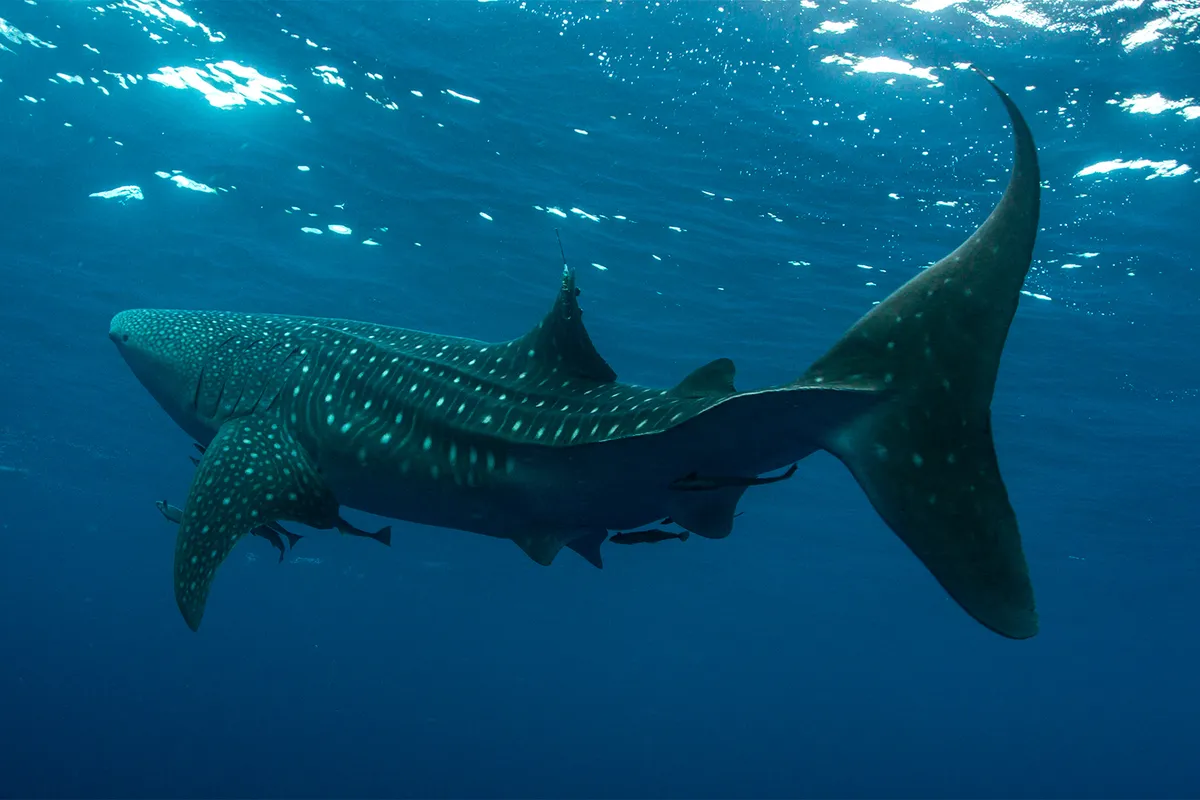
This epic undertaking now stands as one of the largest global tracking datasets for whale sharks. And it's the first detailed survey of its kind in the Indo-Pacific, which is a pretty big deal considering about 60% of the world's whale shark population calls that region home. Studying them is usually a nightmare because these gentle giants cover truly astounding distances.
We're a new kind of news feed.
Regular news is designed to drain you. We're a non-profit built to restore you. Every story we publish is scored for impact, progress, and hope.
Start Your News DetoxThe Unexpected Helpers
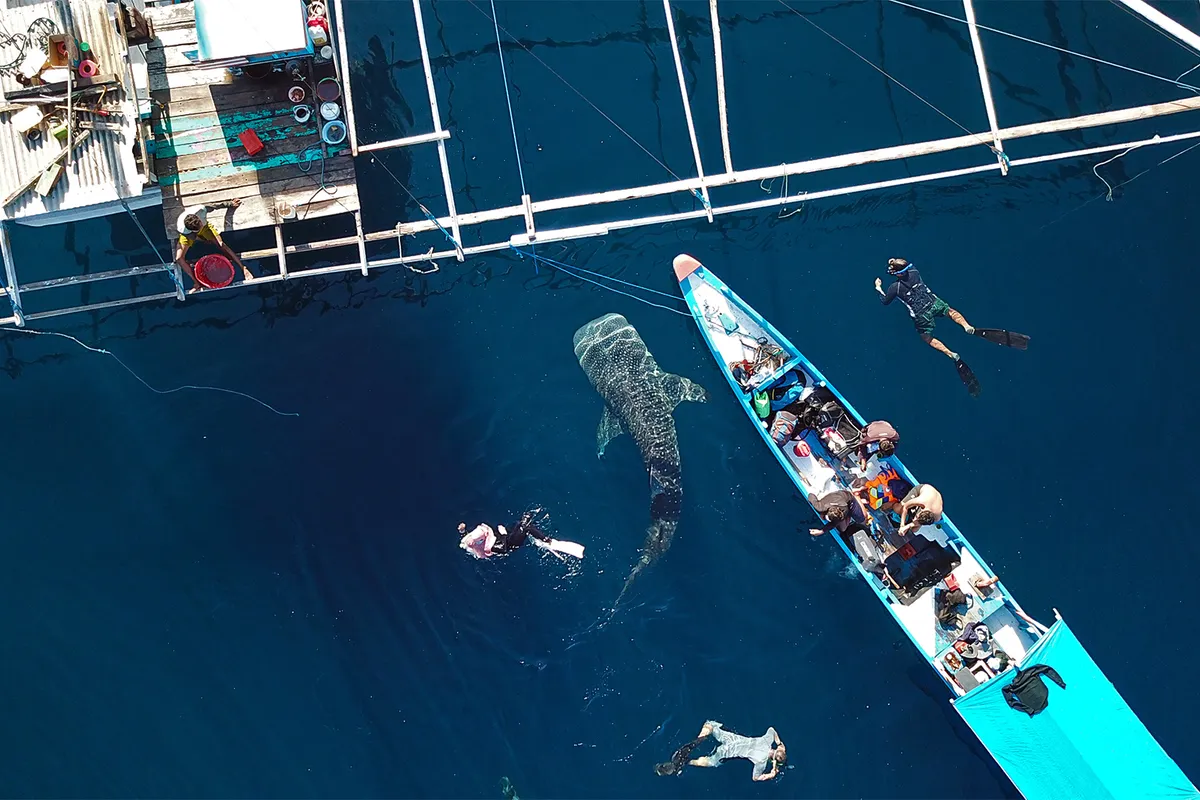
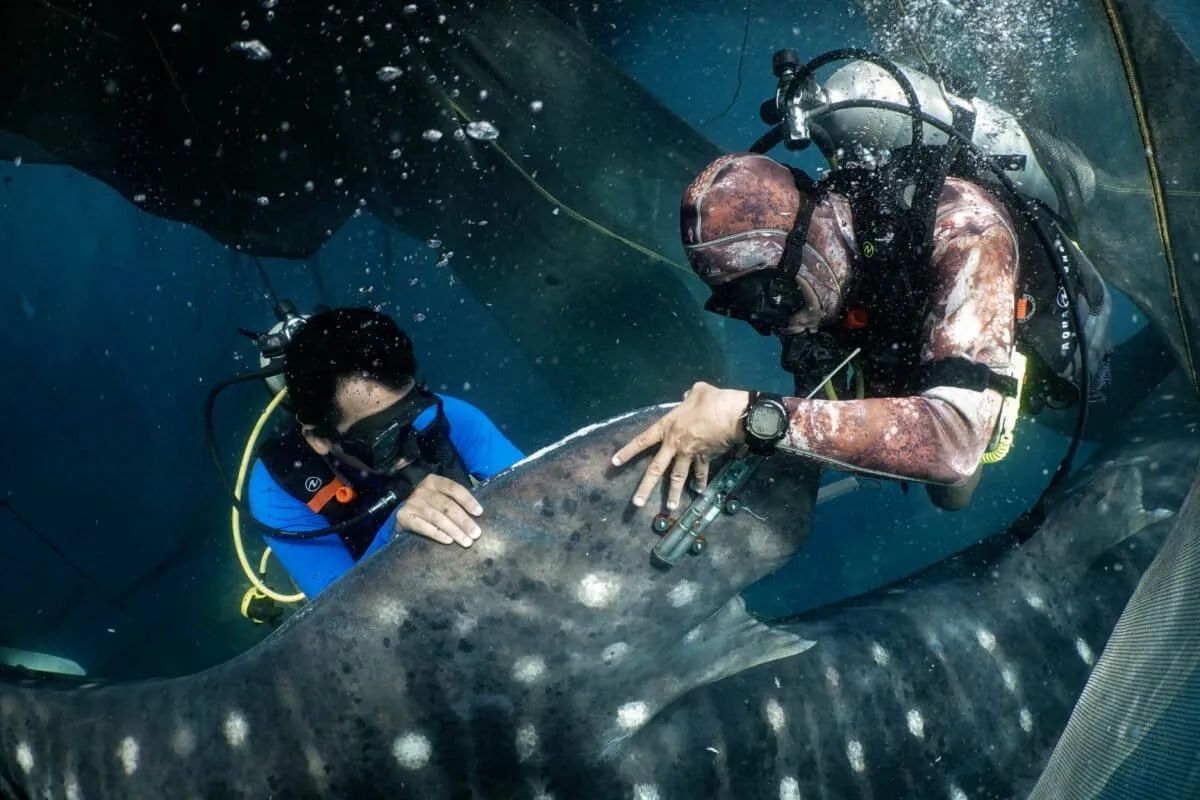
The real breakthrough, however, came from an unlikely source: local bagan fishers. Edy Setyawan, a lead conservation scientist, noticed a pattern. "When whale sharks come, that means that lots of small fish or anchovies are around," he observed. Basically, whale sharks are the ultimate fish-finding tool.
This symbiotic relationship meant marine biologists could tag the sharks. Bagan fishers operate from floating wooden platforms, using huge nets and lights at night to attract anchovies. The whale sharks, being filter feeders with impeccable taste for tiny fish, simply follow the buffet. It's like a drive-thru for the world's largest fish, which, for the record, usually hit about 39 feet but can stretch to a staggering 66 feet. Now, that's a big fish with a big appetite, and thanks to some very patient science, a much safer future.