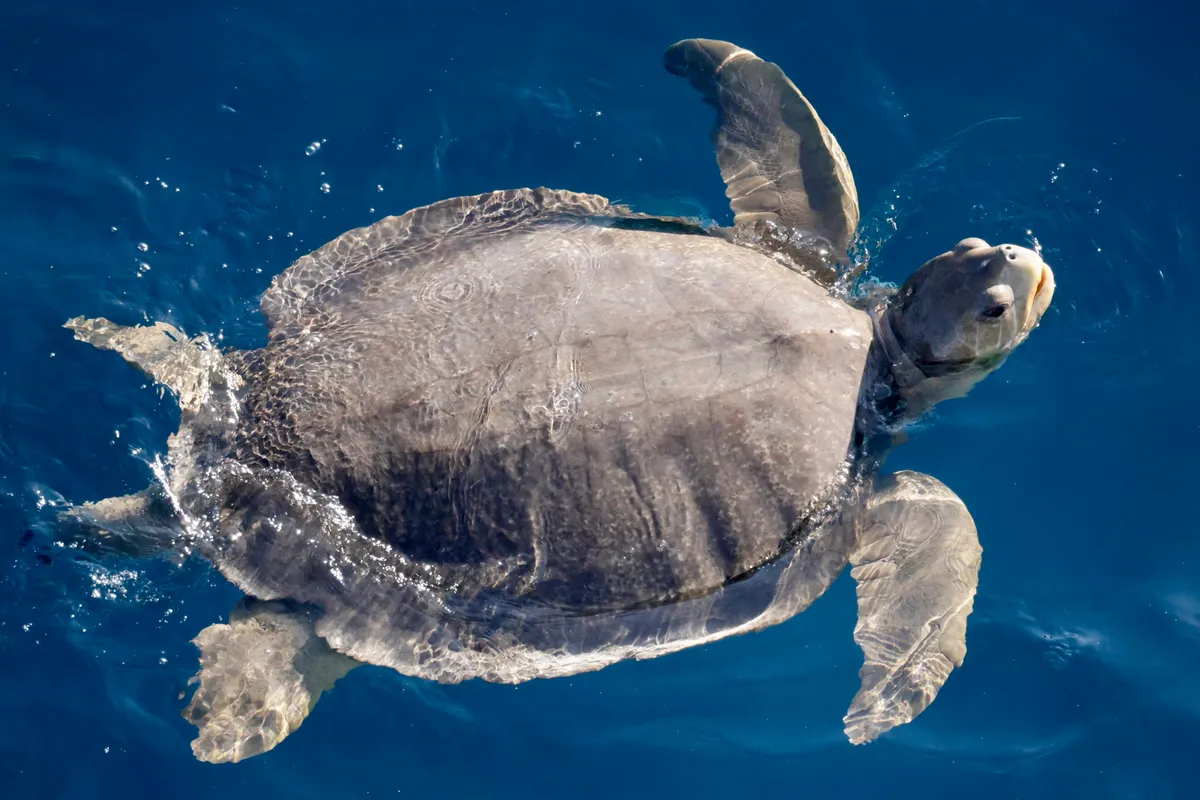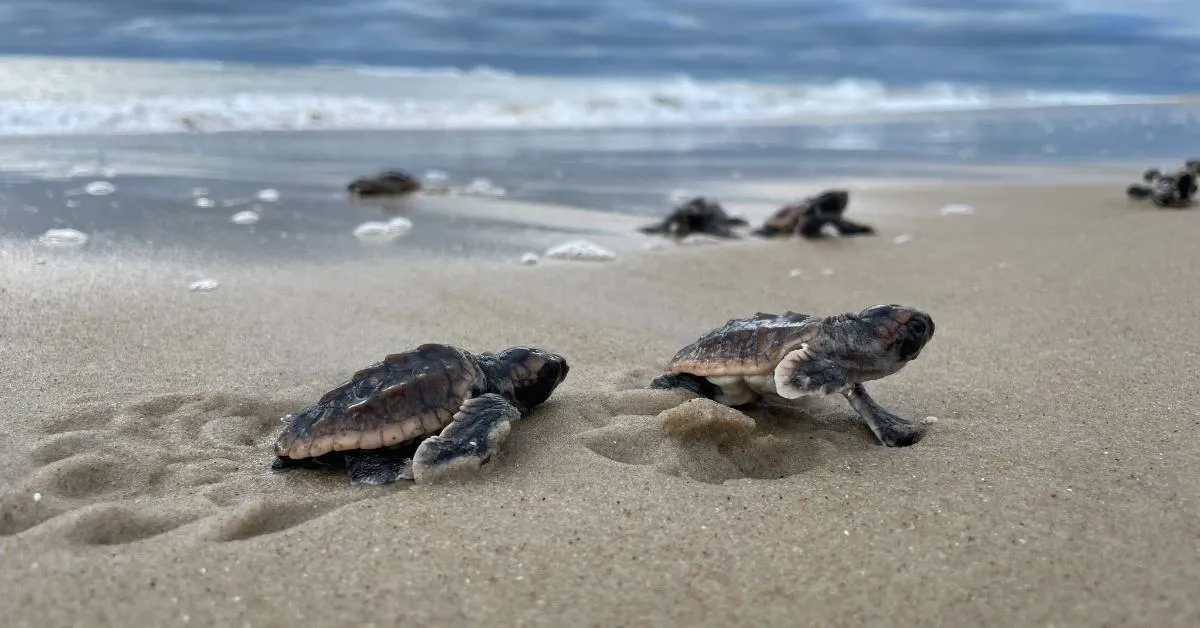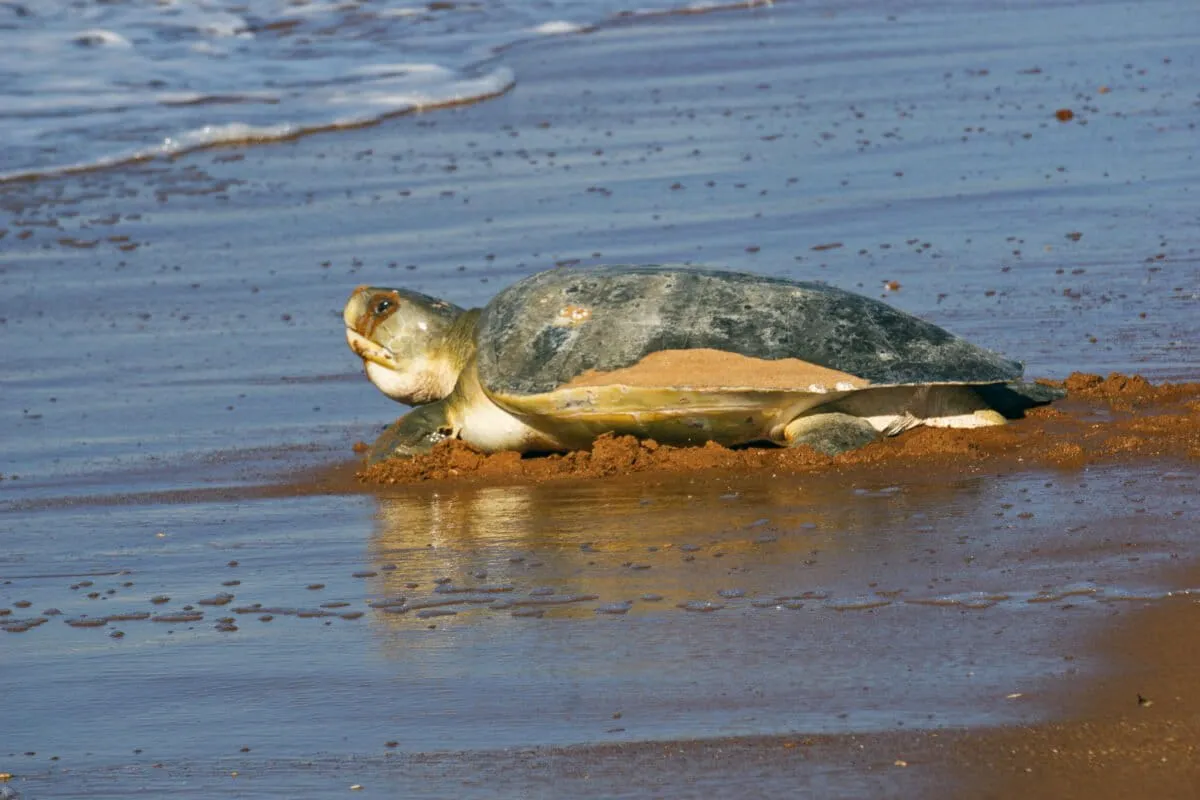
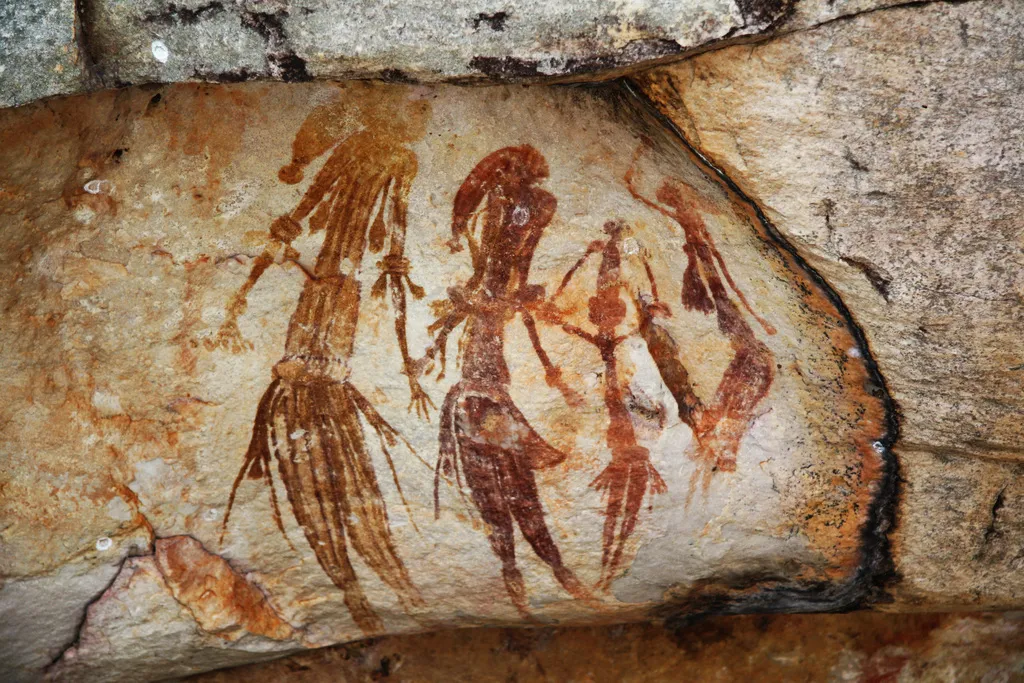
Imagine a place where red desert sands collide with the Indian Ocean, where ancient rock art whispers tales from 17,000 years ago, and where flatback turtles have been nesting for millennia. This isn't a fantasy novel; it's the remote Kimberley region of northwestern Australia, a place of truly wild, untamed beauty.
And now, a significant chunk of it — both land and sea — is officially protected thanks to the Karajarri people, who have called this incredible landscape home for, well, a very long time.
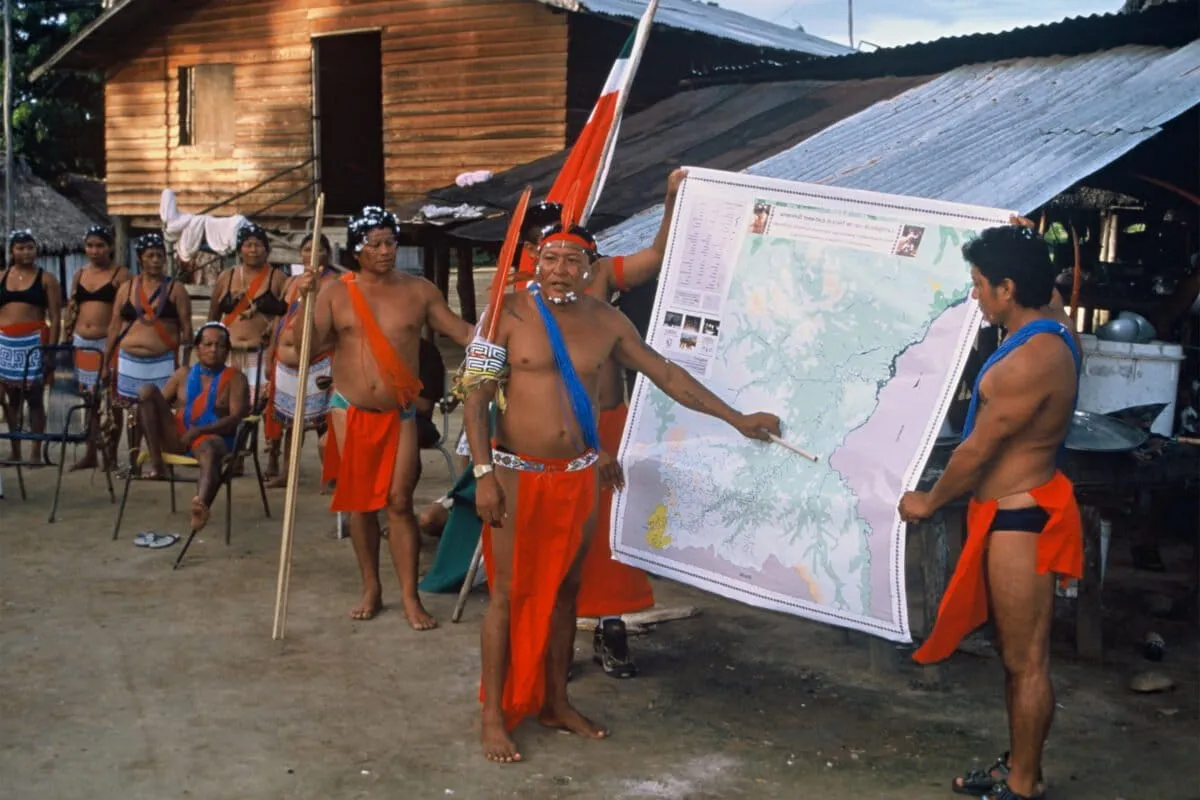
For three decades, the Karajarri have been steadily reclaiming legal recognition for their ancestral lands. First came Karajarri Pirra Ngurra, an Indigenous Protected Area (IPA) on land roughly the size of Rwanda. They even established a ranger program, because who better to protect a place than the people who've understood its rhythms for centuries?
We're a new kind of news feed.
Regular news is designed to drain you. We're a non-profit built to restore you. Every story we publish is scored for impact, progress, and hope.
Start Your News DetoxThen, in March 2026 (yes, 2026 — they're a bit ahead of us, apparently), they dropped the big one: Karajarri Jurarr Ngurra. This isn't just another protected area; it's Australia's very first "Sea Country" IPA. We're talking 237,489 hectares (that's nearly 587,000 acres) of marine and coastal ecosystems, including a vital stretch of the legendary Eighty Mile Beach, known to the Karajarri as Malumpurr.
Australia’s minister for Indigenous Australians, Malarndirri McCarthy, put it perfectly: this new IPA "strengthens long‑standing efforts by Karajarri Traditional Owners and Karajarri Rangers to protect the region’s biodiversity and keep Country healthy." Which, if you think about it, is both a profound statement and a masterclass in understatement. Because protecting a place this wild, this ancient, and this important? That's not just strengthening efforts; it's setting a new gold standard.