Protecting Sea Turtle Nests at Cape Hatteras
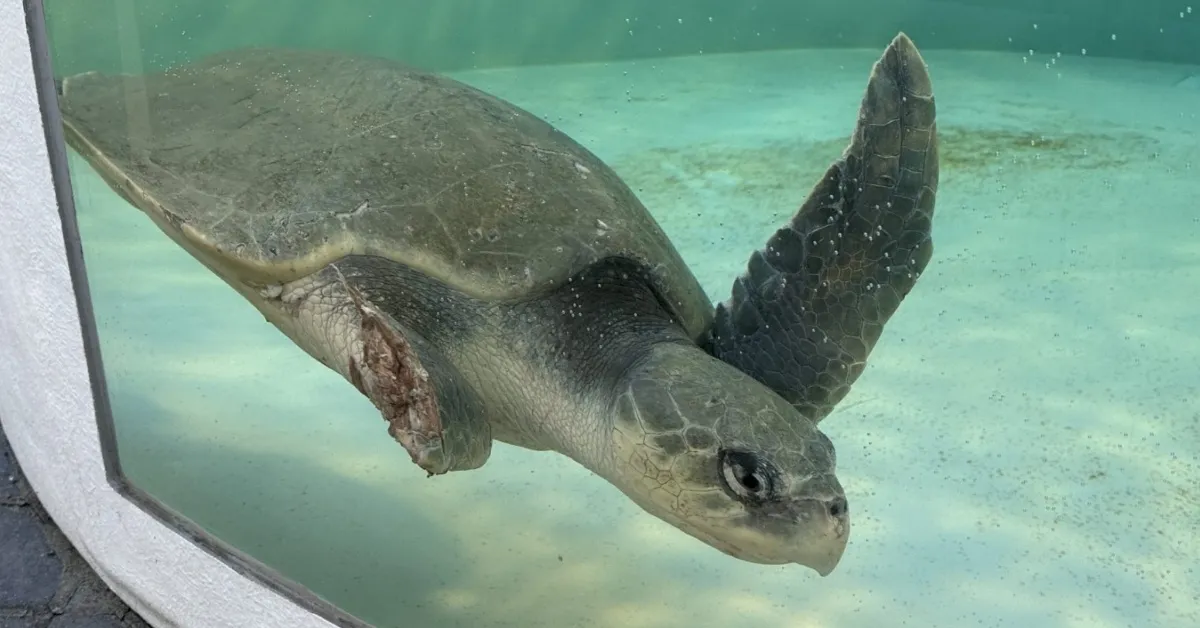
Every year, from May to September, hundreds of sea turtles visit North Carolina's Cape Hatteras National Seashore. They come to lay their eggs on the sandy beaches. Endangered species like green, leatherback, and Kemp’s ridley turtles are among them.
Under the cover of night, these turtles dig large pits with their flippers. They lay hundreds of leathery eggs, which then incubate for about 60 days.
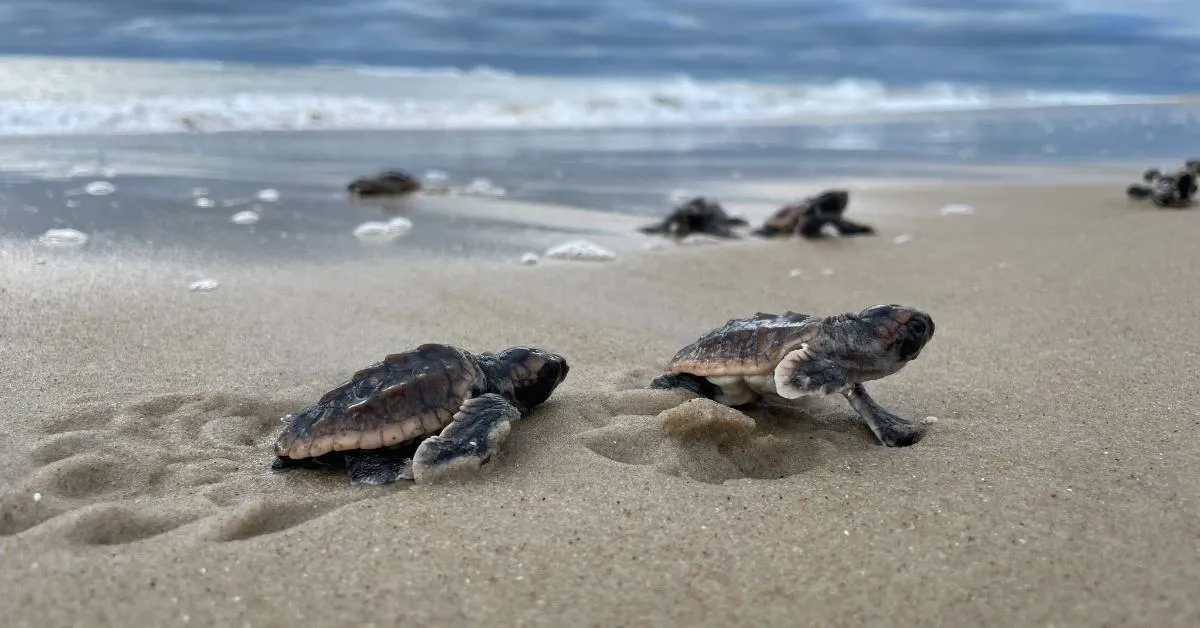
Once the eggs hatch, the baby turtles use clues to find the ocean. They follow the slope of the beach and the moon's reflection on the water. This helps them move towards the lowest part of the horizon.
We're a new kind of news feed.
Regular news is designed to drain you. We're a non-profit built to restore you. Every story we publish is scored for impact, progress, and hope.
Start Your News DetoxAfter reaching the shore, they swim into the waves. They use magnetic orientation to migrate further into the water. They typically swim for 24 to 36 hours until they reach seaweed "nurseries." These nurseries protect them during their youth.
In the summer of 2025, experts watched nearly 300 sea turtle nests. Outer Banks Forever, a nonprofit partner of the national seashore, hopes to see similar numbers in 2026.
Adopting a Nest to Help
Outer Banks Forever helps park rangers at Cape Hatteras monitor and protect these nests. They offer symbolic "nest adoptions" to turtle lovers.
Through the Adopt A Sea Turtle Nest program, supporters can donate $100 or more. They receive an adoption certificate and information about their assigned nest. This happens once nesting activity begins in early June.
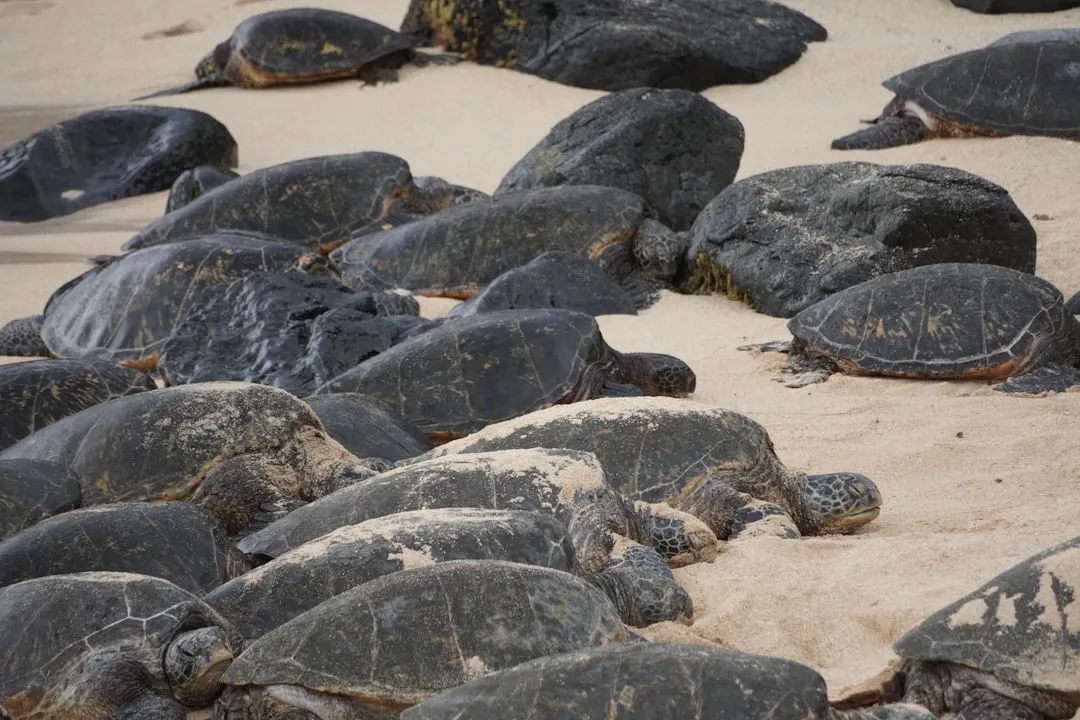 Photo courtesy of Outer Banks Forever
Donors then get updates when their nest hatches later in the summer or fall. Demand for adoptions is high, and nests are given out first-come, first-served.
Nicole Erickson, a manager for Outer Banks Forever, said the program is in its seventh year. Over 600 supporters have helped raise nearly $126,000. This money protects and improves the Seashore. She noted that this collective effort is making a difference every day.
Challenges and Solutions for Sea Turtles
The sea turtle species at Cape Hatteras are endangered. This is due to climate change, marine pollution, poaching, and habitat destruction. Their nests also face risks from major weather events and predators.
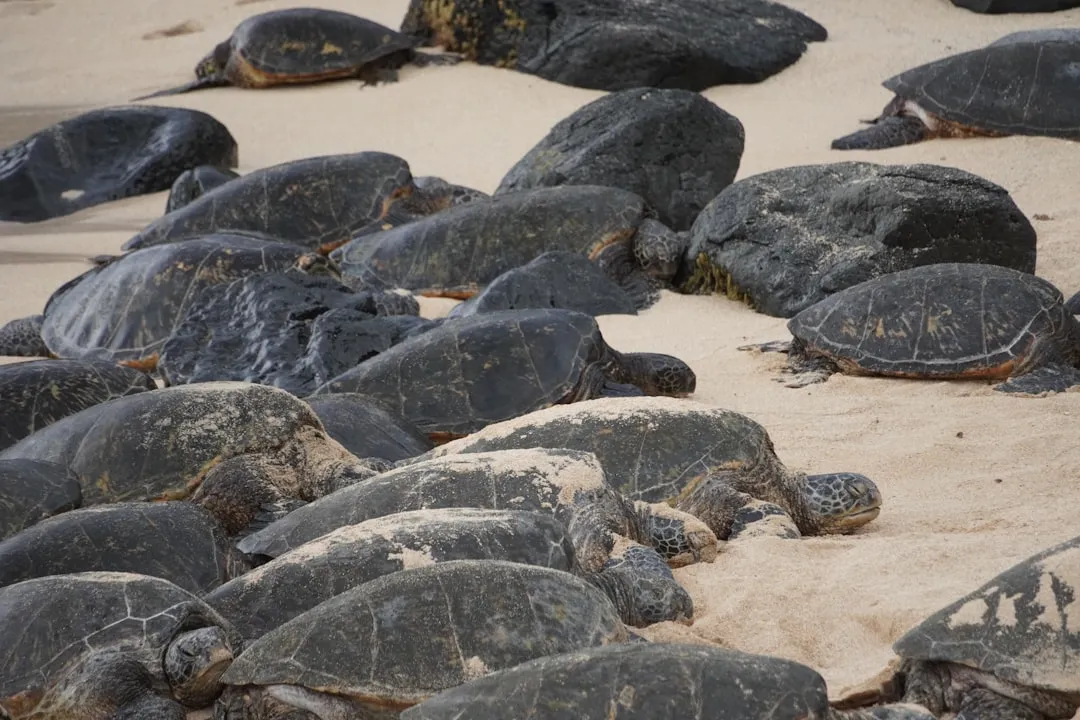 NPS Photo
The national seashore's beaches have been monitored since 1987. This helps ensure the best success rates for the nests. Nest numbers have varied greatly. There were only 11 nests in 1987, but 473 in 2019.
Even with many eggs laid, only about one in 1,000 to 10,000 hatchlings survive to adulthood. Outer Banks Forever states that support for the adopt-a-nest program funds critical projects. These projects protect the Seashore and the vital habitat sea turtles need.
Visitors can also watch nest excavations on the beach. Park rangers ask everyone to follow rules to protect the animals. If someone spots a turtle outside of scheduled events, rangers urge them to call 252-216-6892 to report it.
The Cape Hatteras webpage explains that conserving endangered species is a key part of the National Park Service's mission. It is a responsibility for everyone who cares for Cape Hatteras National Seashore.
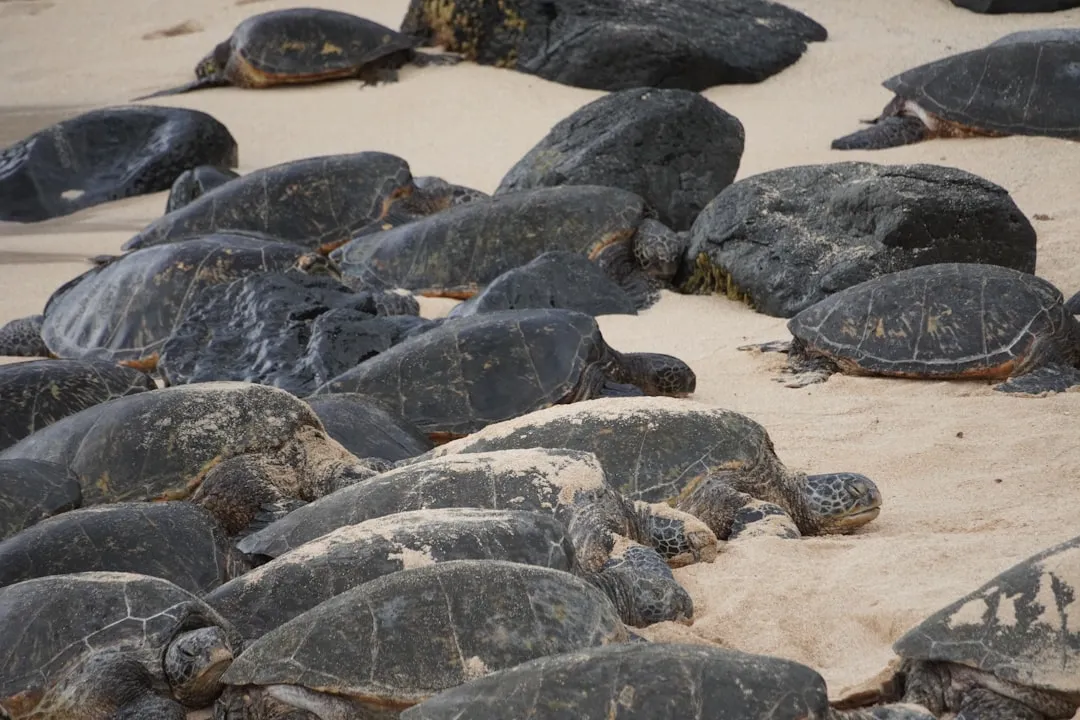 Photo courtesy of Outer Banks Forever