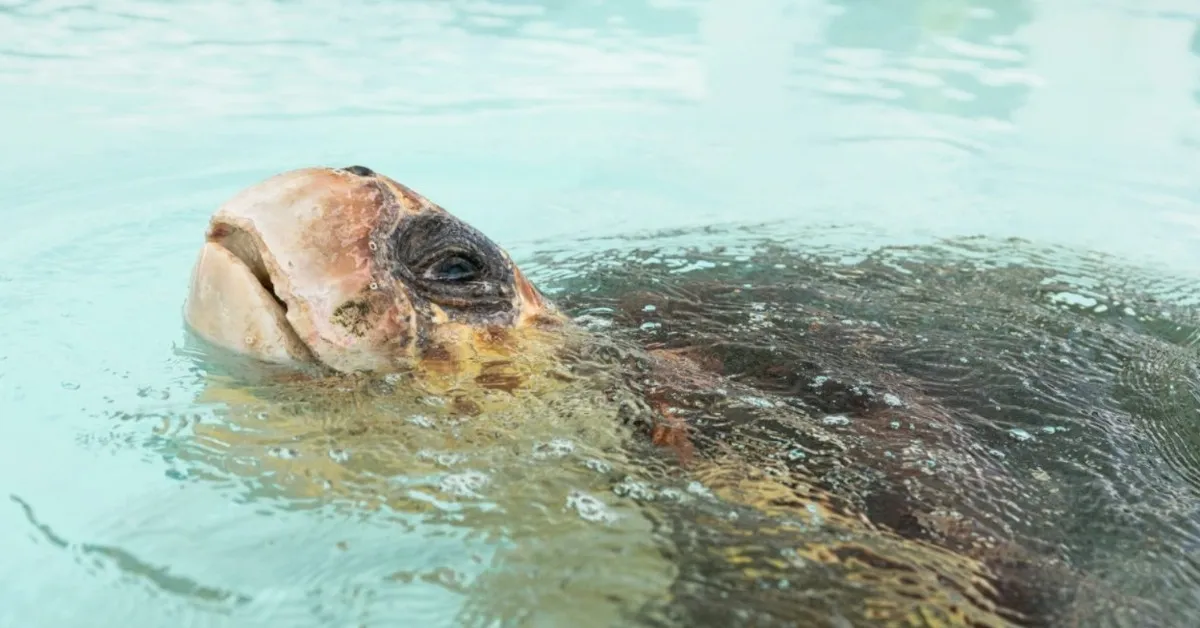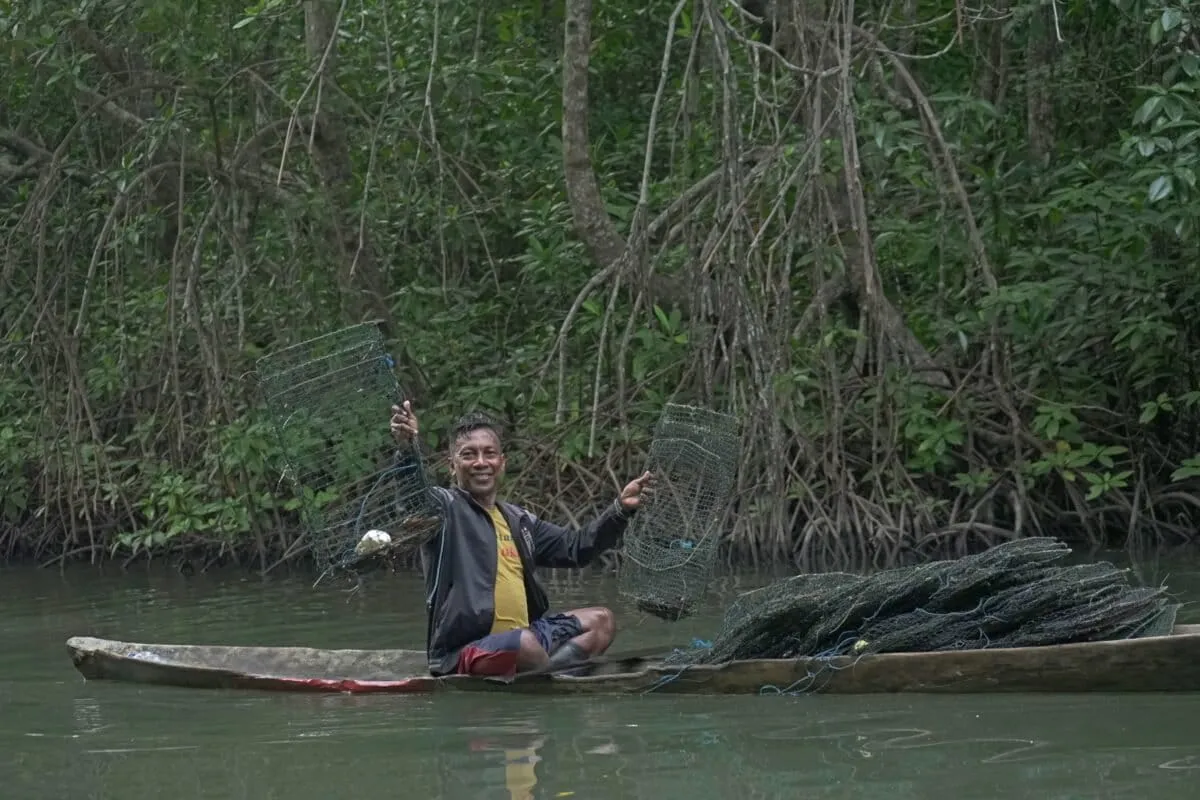
Turns out, sometimes the best way forward is a serious look backward. In eastern Indonesia, small island communities are dusting off age-old customary laws to protect their oceans from the modern scourges of blast fishing and turtle hunting.
Think temporary fishing bans, designated no-go zones for marine life, and a renewed commitment to safeguarding critical mangrove forests. It’s less about new regulations and more about remembering what worked for generations. Because, apparently, grandmas know best.

These localized efforts are getting their moment in the spotlight thanks to Jejak Wallacea, a new documentary by Burung Indonesia and Arise! Indonesia. The film showcases communities across East Nusa Tenggara, South Sulawesi, Southeast Sulawesi, and Central Sulawesi. They’re not waiting for top-down mandates; they're implementing their own coastal management systems, which, if you think about it, is both impressive and slightly terrifying for anyone who prefers a neatly organized bureaucracy.
We're a new kind of news feed.
Regular news is designed to drain you. We're a non-profit built to restore you. Every story we publish is scored for impact, progress, and hope.
Start Your News DetoxThese systems are beautifully diverse, ranging from traditional punishments for rule-breakers and community patrols (no, not neighborhood watch, but for the ocean) to temporary closures for octopus fishing. There are also efforts to restore coral reefs, create turtle hatcheries, and develop sustainable livelihoods from those crucial mangrove ecosystems. Because why just protect something when you can also make a living from its healthy existence?
Burung Indonesia, a local partner of BirdLife International, champions this approach. They argue that in a place as biodiverse as the Wallacea region, formal protected areas alone simply won't cut it. Angga Yoga, a specialist at Burung Indonesia, highlights that the Jejak Wallacea film deliberately focuses on these communities because the power, and the solutions, are inherently theirs.

These aren't initiatives handed down from on high. They're rising directly from traditional systems, proving that sometimes, the most effective conservation strategy isn't found in a lab, but in a village elder's wisdom.