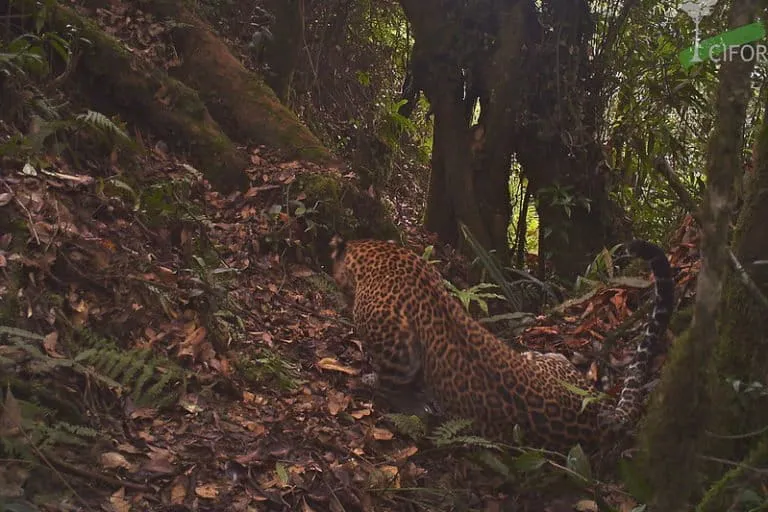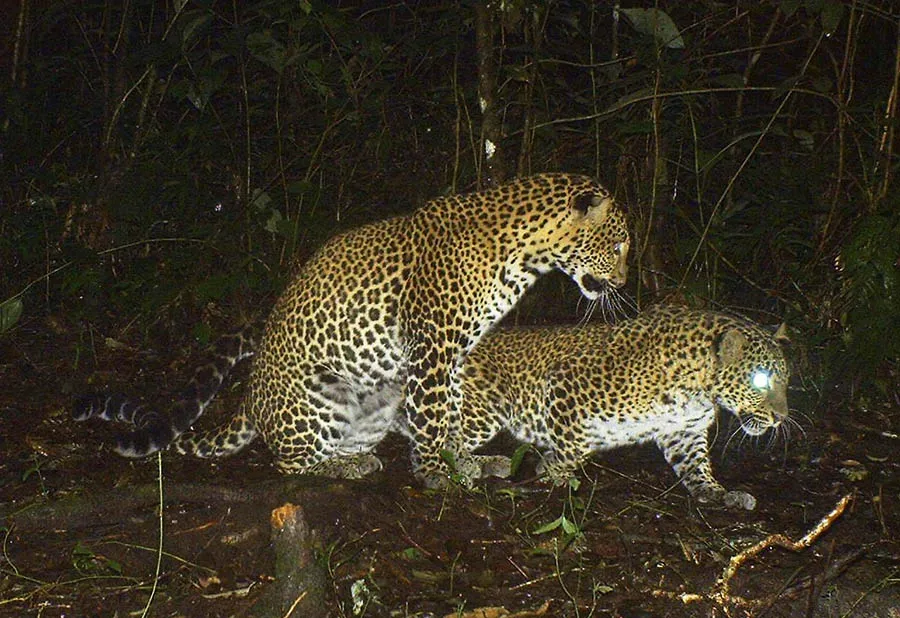
Java, an island roughly half the size of Texas but packed with five times its population, faces a unique conundrum: how to build out vital infrastructure without completely elbowing out its most elusive resident, the Javan leopard. Because, apparently, even apex predators need a little elbow room.
A new study suggests a surprisingly elegant solution: strategic reforestation. Think of it as a meticulously planned green highway system for big cats, designed to connect the increasingly fragmented patches of forest these leopards call home. It's an ambitious plan, requiring "strong commitment from many groups," according to lead author Andhika C. Ariyanto, a Ph.D. candidate at the University of Twente.
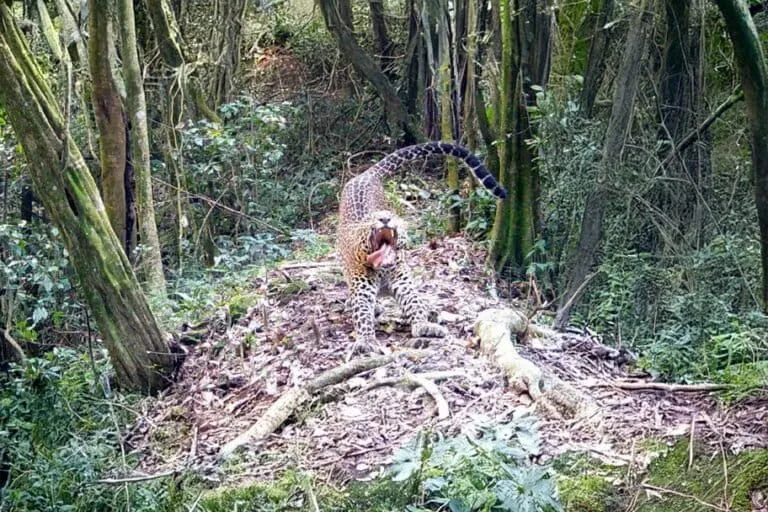
This isn't just about planting a few saplings and hoping for the best. This is the first island-wide model of habitat connectivity for the Javan leopard (Panthera pardus melas). Essentially, scientists have mapped out the feline equivalent of an urban planning blueprint, identifying exactly where those crucial forest corridors need to be protected and restored as Java continues its inevitable development.
We're a new kind of news feed.
Regular news is designed to drain you. We're a non-profit built to restore you. Every story we publish is scored for impact, progress, and hope.
Start Your News DetoxAndhika and his team crunched the numbers, comparing the impact of new roads and railways against the benefits of restoring degraded forests. Their conclusion? Planting trees in just the right spots could effectively stitch together habitats across the island. This means more space for the leopards to roam, hunt, and, crucially, find each other – which is pretty important for a species trying to avoid extinction.
Because when you're a Javan leopard, just trying to make a living on an island that's rapidly filling up with 150 million humans, every bit of connected green space counts. It turns out, sometimes the most high-tech solution is simply to put a tree back where it belongs.