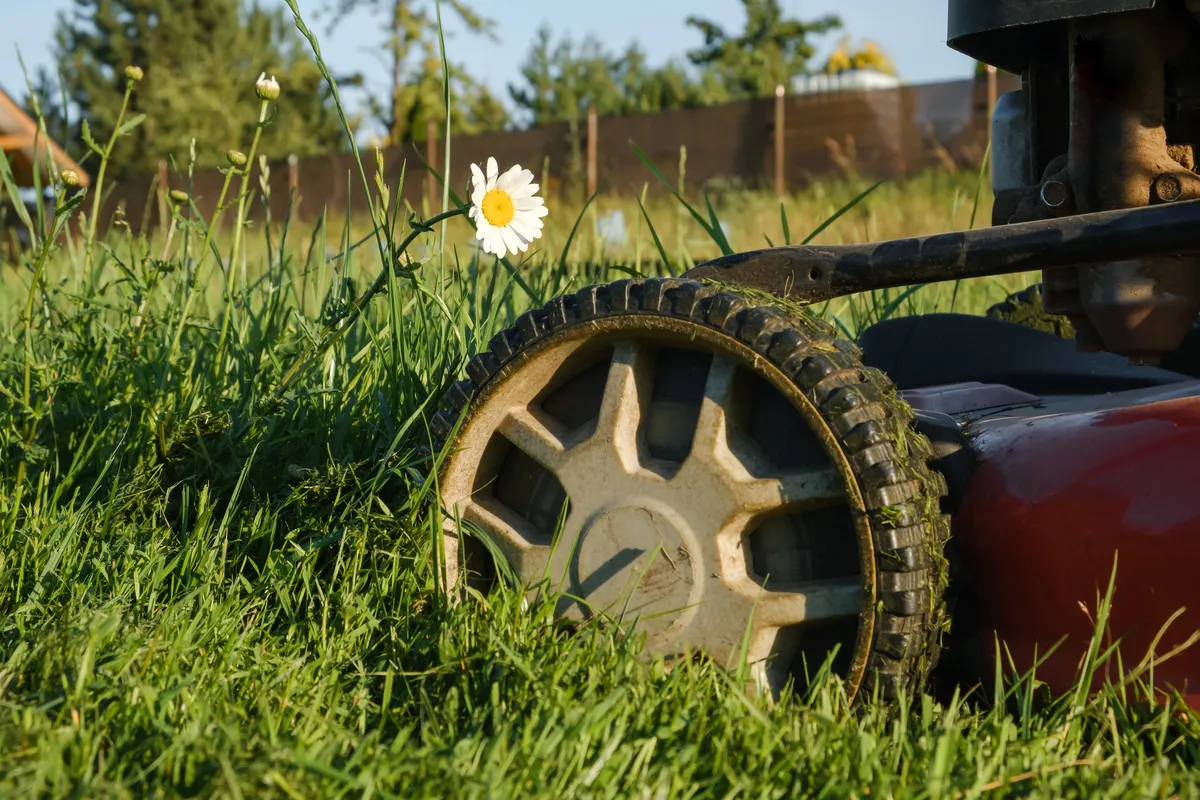
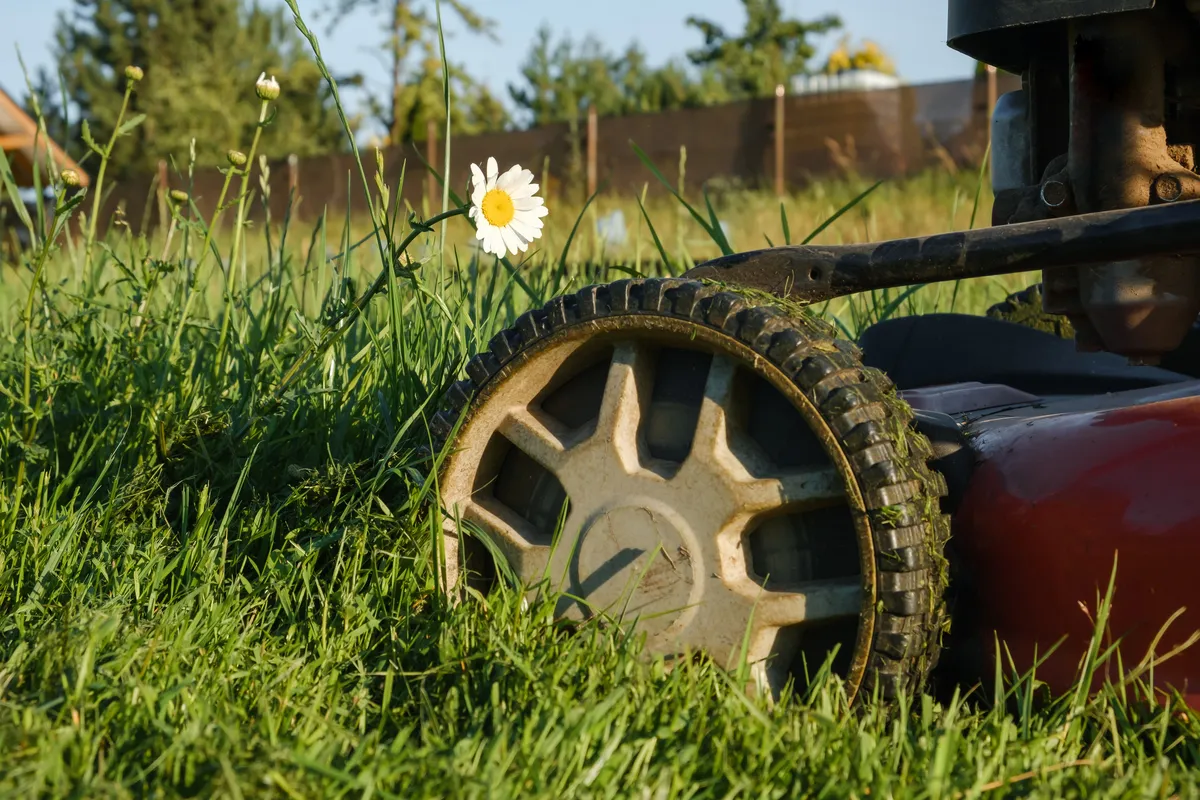
Ah, May. A month for flowers, sunshine, and… letting your lawn go full Cousin It. That's the idea behind No Mow May, a conservation trend that's taken over social media and, presumably, your more eco-conscious neighbors' yards. The mission? Park the mower for a month and let early-season pollinators like bees feast on dandelions and violets. Because, apparently, even your lawn can be a Michelin-star restaurant for a bumblebee.
Considering one in four native bee species in North America is currently flirting with oblivion, the urge to help is definitely there. Clay Bolt from the World Wildlife Fund-US even suggests No Mow May can throw a lifeline to endangered royalty, like the queen rusty patched bumble bee. The Optimist Daily has been on board since 2020. But now, experts are asking the thorny question: is this shaggy-lawn movement actually helping, or is it just a feel-good hashtag? Turns out, it's complicated.
The Upside of Letting it Grow Wild
Despite the mild existential crisis it might cause your HOA, No Mow May does have some undeniable perks.
We're a new kind of news feed.
Regular news is designed to drain you. We're a non-profit built to restore you. Every story we publish is scored for impact, progress, and hope.
Start Your News DetoxFirst off, it's gloriously free and requires zero planning. As Bolt puts it, creating a proper pollinator meadow costs time and money. No Mow May? "The entry fee is nothing." Your wallet (and your weekend) can breathe a sigh of relief.
Also, lawns aren't the sterile concrete jungles we often imagine. Matthew Shepherd of the Xerces Society points out that lawns can actually host a surprising number of bee-friendly flowers. Studies have shown everything from 111 bee species in herbicide-free Massachusetts lawns to 56 species buzzing around white clover in Minnesota parks. Who knew your dandelions were such hot commodities?

Perhaps most importantly, it gets people talking. Bolt and Shepherd agree: No Mow May sparks conversations. Neighbors actually gasp discuss conservation over the fence. Which, if you think about it, is both impressive and slightly terrifying.
Where the Buzz Dies Down
Naturally, the concept isn't without its critics. Letting grass reach epic proportions can sometimes make it harder for bees to find those low-growing flowers. And, let's be honest, not everyone appreciates the aesthetic of a mini-prairie next door. The original study that kicked off the whole movement was even retracted, causing a bit of a scientific head-scratch. Plus, one month of food is a nice gesture, but bees need sustenance year-round.
Shepherd sums it up with a dry wit: "No Mow May is a nice hashtag and a great title, but the reality of it is way more complicated than that." Still, he and other experts aren't dismissing it entirely. Bolt offers a philosophical take: "I'm a big believer that the pursuit of perfection should not be the enemy of good."

Smart Ways to Go Wild
If you're ready to embrace the shaggy-lawn life, here's how to do it without accidentally creating a neighborhood turf war:
- Educate your neighbors. The Xerces Society offers free printable lawn signs (even a kids' version!) to let everyone know your wild yard is on purpose, not because you forgot what a lawnmower looks like.
- Know your local laws. Some cities and HOAs have height restrictions. Check first, or politely ask for a temporary exception for bee conservation. Because nobody wants a citation for being too eco-friendly.
- Ease back into mowing. When May ends, don't go full barber. Cut gradually, removing only a third of the grass height at a time. Your lawn (and your back) will thank you.
- Adjust for your region. May might not be the best month for your local flora. The goal is to align your no-mow period with the first bloom of lawn flowers, which could be March, April, or even a different month entirely.
Beyond No Mow May
Not ready for the full wild look? There are other ways to be a pollinator pal:
- Low Mow May: Mow once or twice instead of weekly. A little less shaggy, still bee-friendly.
- Slow Mow Summer: Extend the kindness all season. Mow less often and at a higher height. Research shows lawns mowed every two weeks attract more bees than weekly manicures.
No Mow May isn't a silver bullet, and it was never meant to be. As Shepherd says, "The endpoint of conservation shouldn't be growing dandelions." It's a stepping stone, a conversation starter, a gentle nudge to rethink our lawns and the buzzing creatures that call them home.
In Livingston, Montana, Bolt's No Mow May initiative in 2021 blossomed into bigger things: more native wildflowers, less frequent mowing, fewer pesticides. That's the real goal: turning our sterile green rectangles into vibrant, living habitats. So, whether you skip the mower entirely or just give it a break, every small action helps. Especially when one in four bee species is counting on us.