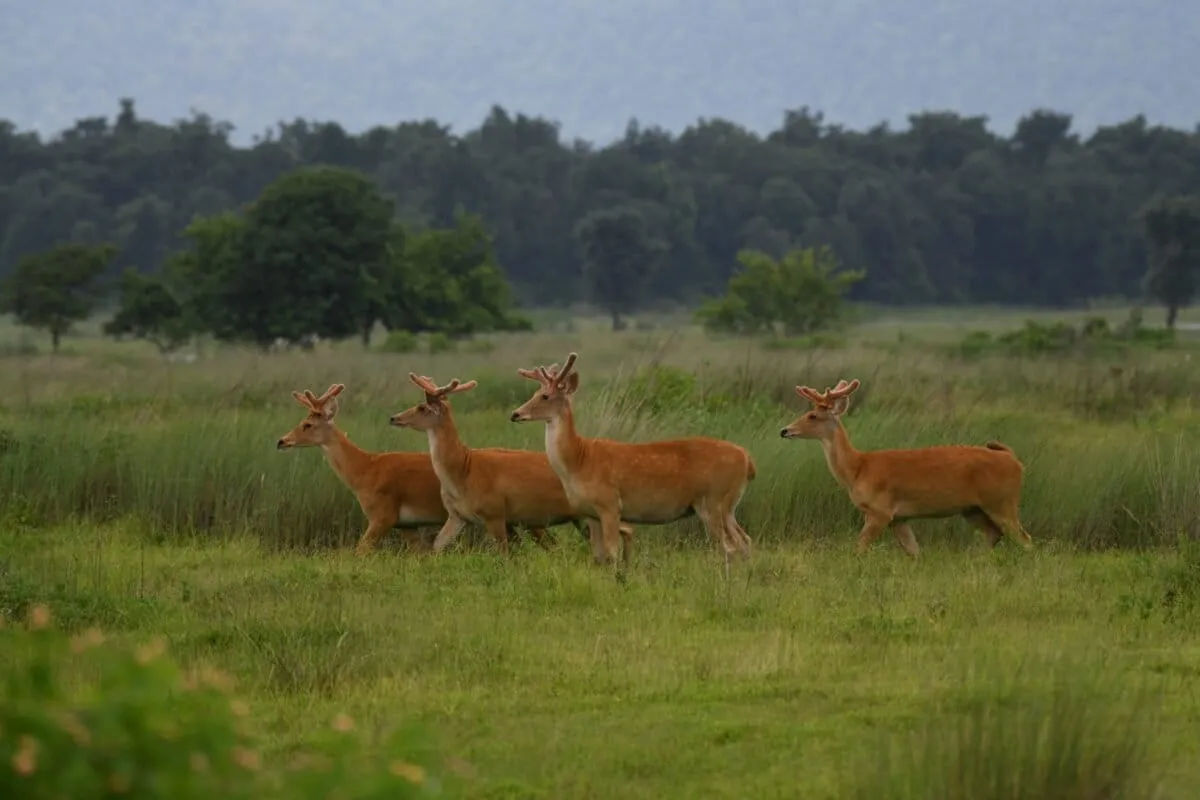
Bangladesh, a country known for its incredible network of waterways, just dropped the legal hammer on anyone thinking of messing with its natural wetlands. On April 7th, parliament unanimously passed the Haor and Wetlands Conservation Act, 2026. And no, that's not a typo – they're planning ahead. Because apparently that's where we are now.
This isn't just a slap on the wrist. The new law makes it illegal to snatch up wetlands, mine them without a permit, poison their waters, or, in a particularly specific move, electrocute any aquatic life. So, no more illicit fish shock therapy.

Even more, it bans building anything that could block the natural flow of water into these vital ecosystems. Break these rules, and you're looking at serious offenses. We're talking arrest without a warrant, and bail? Not an option. They're not playing around.
We're a new kind of news feed.
Regular news is designed to drain you. We're a non-profit built to restore you. Every story we publish is scored for impact, progress, and hope.
Start Your News DetoxWhat Exactly Is a Bangladeshi Wetland?
Bangladesh's Water Act of 2013 is pretty specific about its water features. A haor is a big, shallow, saucer-shaped basin nestled between two rivers. Think of it as nature's giant soup bowl. A baor is a natural lake, usually shaped like an oxbow – a U-turn in a river that got cut off. And a beel? That's a low-lying natural area that turns into a temporary lake during monsoon season, either sticking around all year or drying up for a bit.
To give you a sense of scale, Bangladesh is home to about 373 haors and a staggering 6,300 beels. These watery expanses are mostly found in the northeastern and eastern parts of the country, covering nearly 2 million hectares (that's 4.9 million acres, if you prefer your numbers in football fields). The central-western districts host 23 baors, which range from a modest 4 hectares to a more impressive 89 hectares.
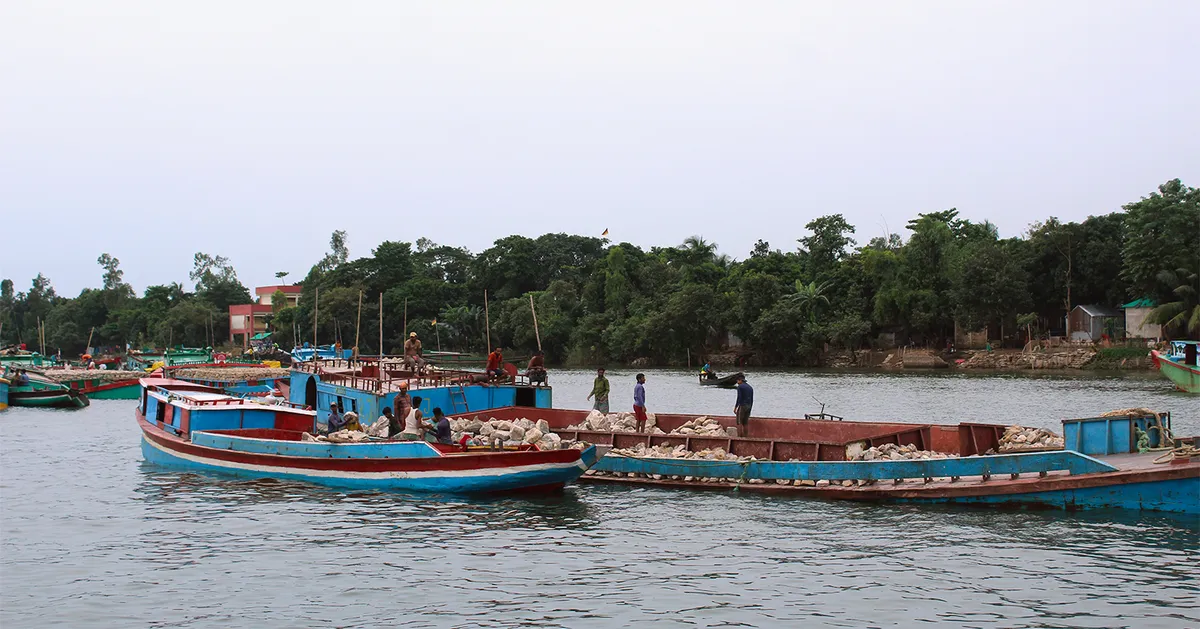
It's clear the government isn't just waking up to this. They've been trying to protect these areas for a while. Back in 1977, the Haor Development Board (HDB) was set up specifically to conserve the biodiversity of these natural wetlands, managing everything from infrastructure to flood control for fishing and farming. Now, with the new law, they've just given that mission some serious teeth. Let's see if the wetlands can finally breathe a little easier.