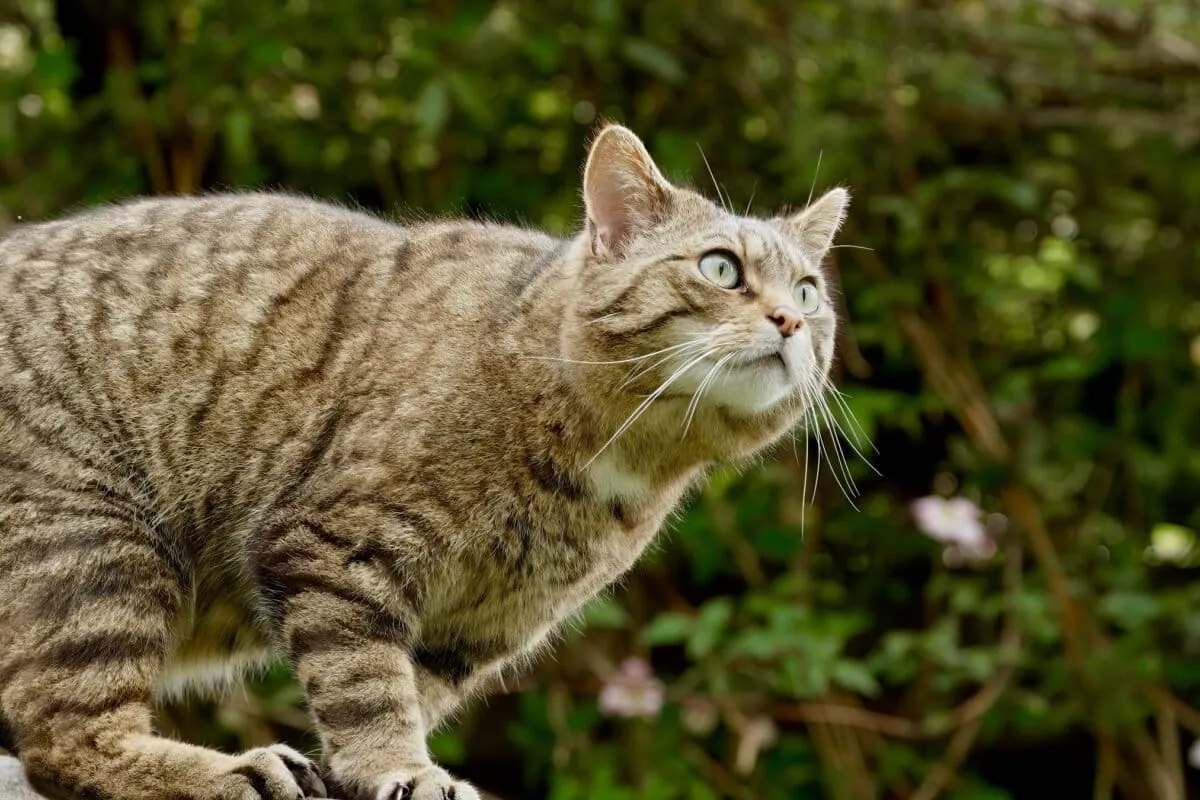
For nearly a century, the European wildcat was just a ghost story in the Czech Republic's Lusatian Mountains. A furry, elusive myth whispered about by grandmothers. But now, it turns out the wildcat is very much real, and very much back.
Conservationists recently confirmed the presence of a male and female, adorably named Jonáš and Tonka, marking the first time these fluffy forest dwellers have been spotted in the region in almost 100 years. Because apparently, even critically endangered species need a good comeback tour.

The Cat with a PR Problem
About the size of a beefy housecat, Felis silvestris has had a rough go of it. Habitat destruction and a rather unfortunate reputation as a chicken-snatching menace (which led to a lot of hunting) pushed them to the brink. More recently, they've been facing the existential crisis of accidentally interbreeding with domestic cats, blurring the genetic lines.
We're a new kind of news feed.
Regular news is designed to drain you. We're a non-profit built to restore you. Every story we publish is scored for impact, progress, and hope.
Start Your News DetoxTracking these secretive creatures is notoriously difficult, making it tough to say if their numbers are trending up or down across Europe. It’s a common plight for many of the world's 30+ small wildcat species, who, let's be honest, don't get the same level of research funding as, say, a panda.
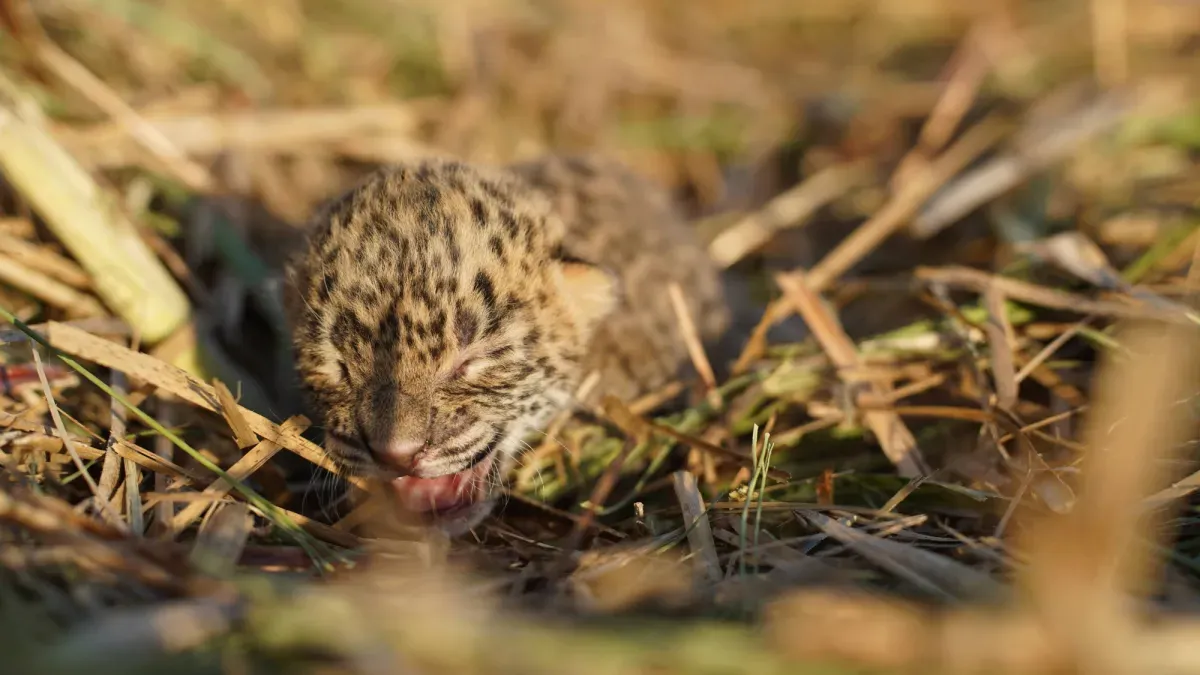
But in the Czech Republic, things are looking up. Earlier this year, Tonka delivered at least three kittens. Let that satisfying number sink in. Three tiny, genetically confirmed bundles of wildcat hope, which Kristýna Chroboková, a field coordinator, notes are "exceedingly rare" in the country.
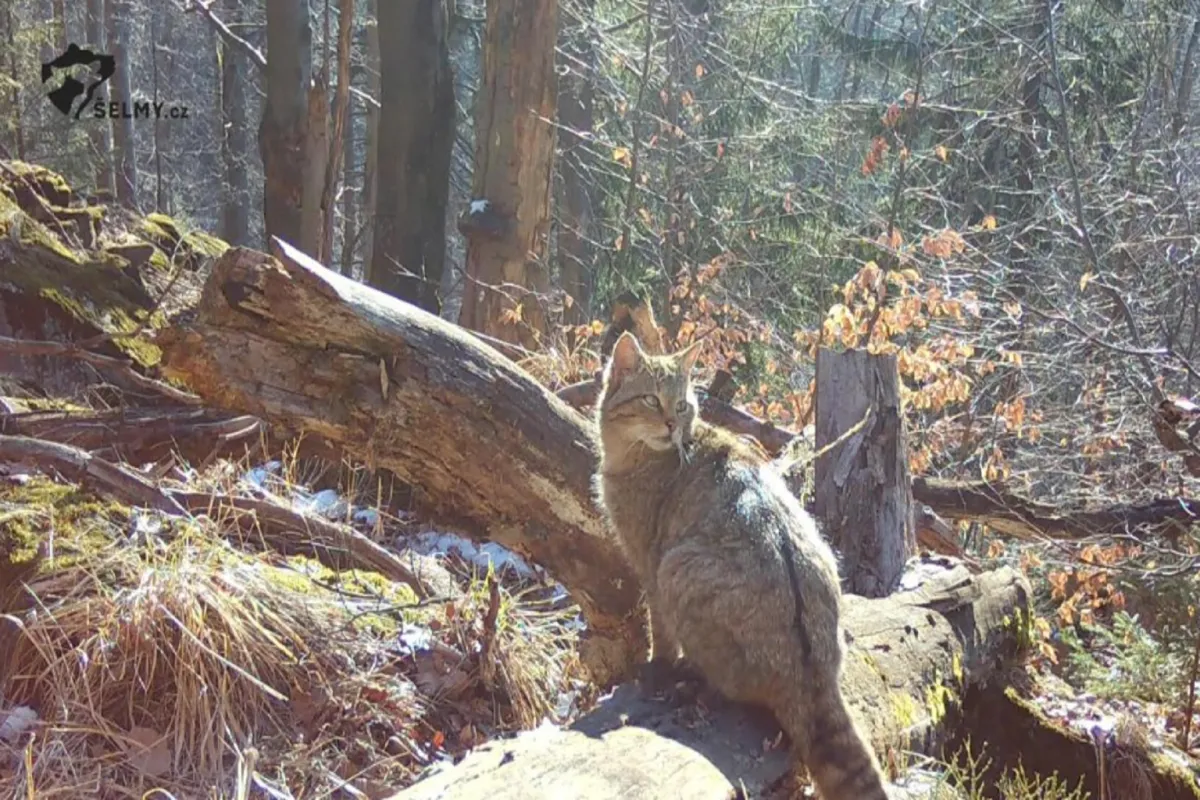
How did they even find these stealthy felines? They deployed "hair traps" — essentially, wooden posts treated with a lure. Wildcats, being territorial, rub against them, leaving behind precious fur. Scientists then perform the genetic equivalent of a paternity test, confirming the wildcat's pure lineage. Because when you're making a comeback, you want to make sure you're doing it right.