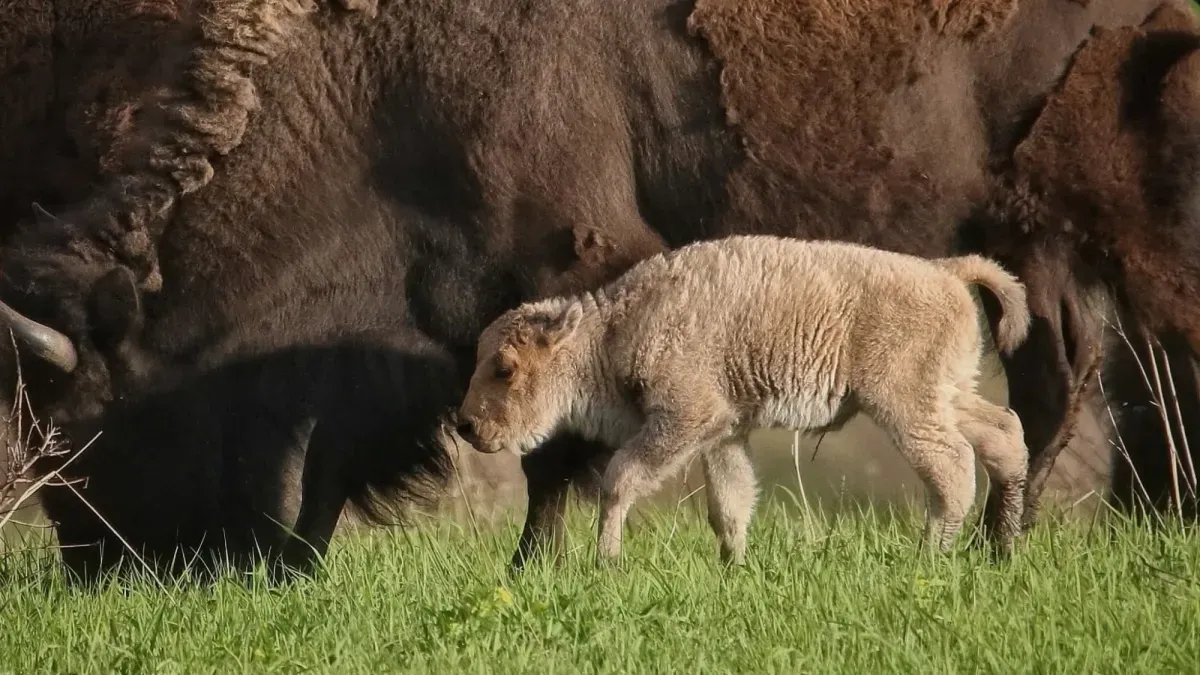
Prepare to feel a tiny, fluffy jolt of optimism: a white bison calf, a creature so rare it's practically a mythical beast, just popped into existence at the Neal Smith National Wildlife Refuge in Prairie City, Iowa. Because apparently, even Mother Nature occasionally rolls the dice and wins the genetic lottery.
Most bison arrive in the world sporting a perfectly respectable reddish or brown coat. This little one, however? Pure, snowy white. The National Park Service, those folks who keep tabs on such things, put the odds at about one in a million. Let that satisfying number sink in.
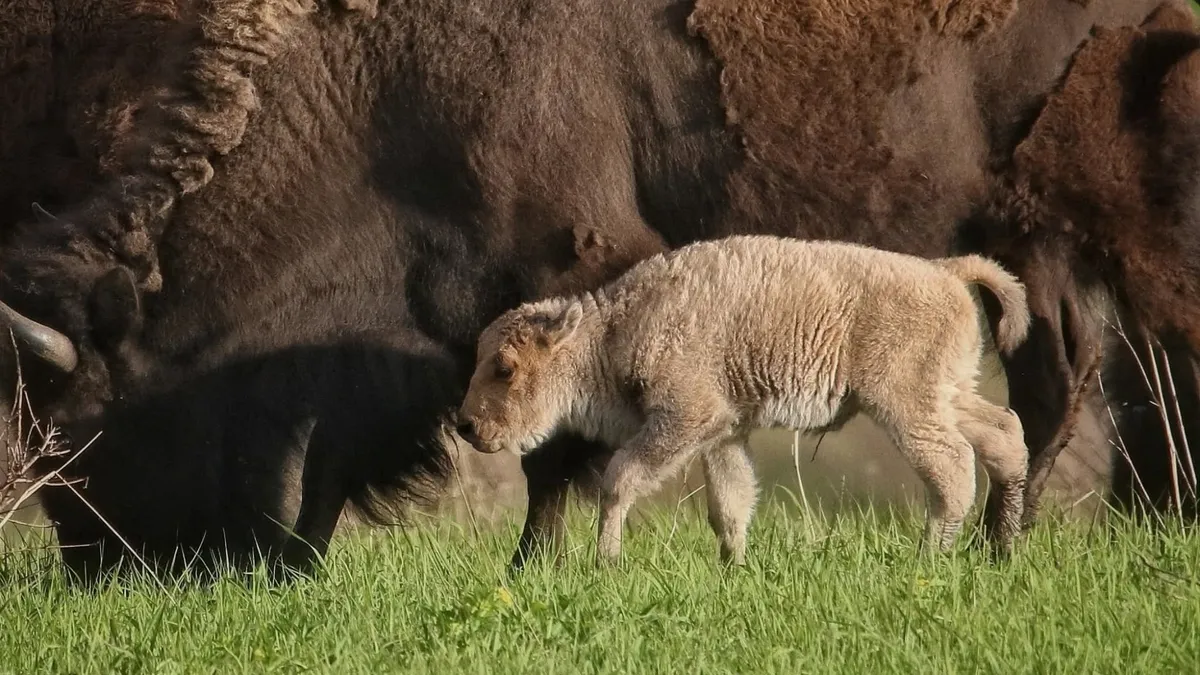
Refuge Manager Scott Gilje confirmed it's the first white bison born there, ever. Another, equally improbable, white calf made its debut at Yellowstone National Park earlier this year, marking its own first-ever recorded birth. It seems 2024 is the year for defying statistical probability, at least in the bison world.
We're a new kind of news feed.
Regular news is designed to drain you. We're a non-profit built to restore you. Every story we publish is scored for impact, progress, and hope.
Start Your News DetoxA Symbol of Hope on the Prairie
The Iowa refuge, a sprawling 6,000 acres, currently hosts 81 bison, with nine new calves this spring alone. (More are on the way, because bison apparently don't read calendars.) Elk and various grassland birds also call it home, presumably keeping a respectful distance from the two-ton adults.
For many Native American nations, including the Sioux, Cherokee, and Lakota, a white bison calf isn't just a pretty sight; it's a sacred symbol of hope and good times. The belief stems from the legend of the White Buffalo Calf Woman, or Ptesan Wi, whose story teaches harmony and spirituality. So, this isn't just a cute animal; it's a living, breathing good omen.
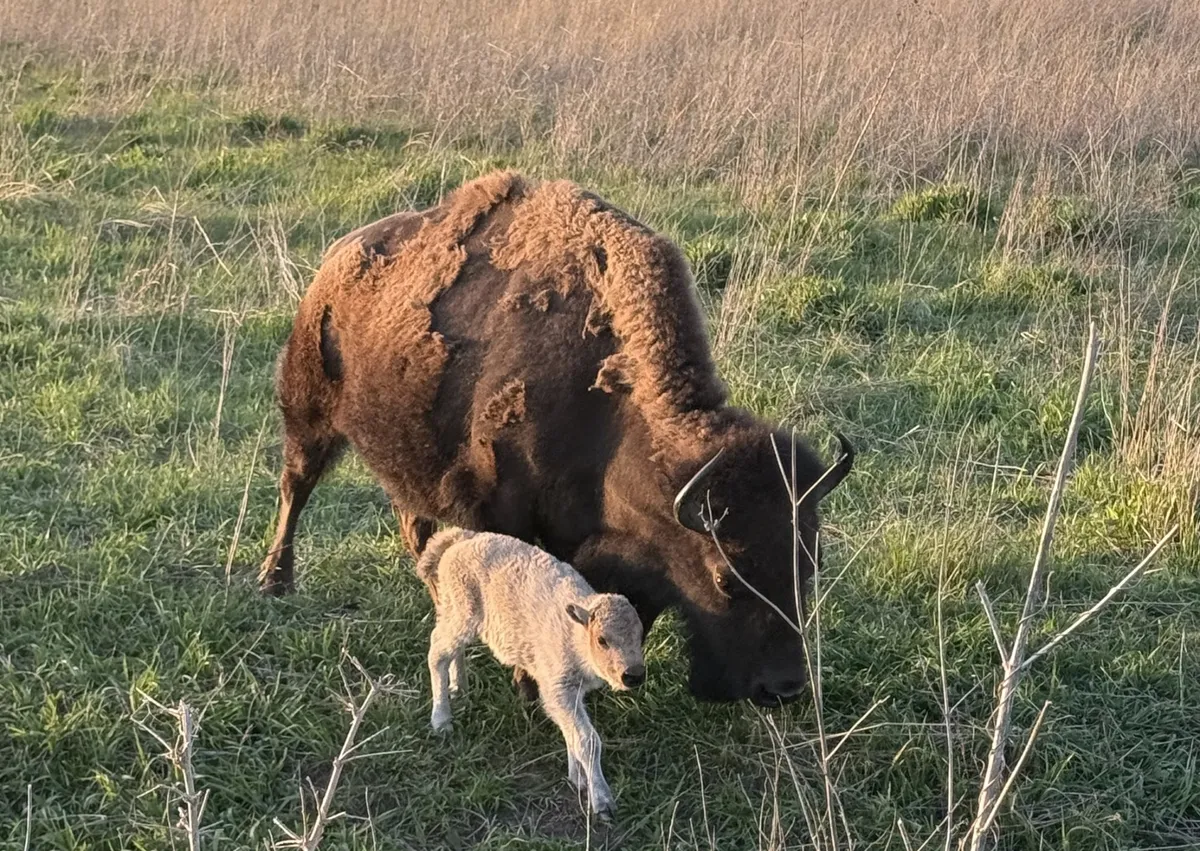
And speaking of good omens, the bison themselves are a conservation success story. These magnificent beasts, with males tipping the scales at up to 2,000 pounds, were once on the brink. Now, thanks to decades of concerted effort, about 30,000 bison roam in managed herds across North America. Which, if you think about it, is both impressive and slightly terrifying if you accidentally wander into their path. But mostly impressive.