The "Water Tower of Asia" — a vast, critical region in China's Qinghai province — has a new line of defense against a rapidly changing climate: its Tibetan residents. For three decades, these communities have quietly become the unsung heroes of a shared conservation model, protecting the source of rivers that nourish billions.
This isn't just any backyard. The Sanjiangyuan region is the birthplace of the Yangtze, Yellow, and Lancang (Mekong) Rivers. These aren't small streams; they're the freshwater lifelines for China and the entire Indochina Peninsula. And about 90% of the 600,000 people living here? Tibetan herders, whose lives have been intertwined with this landscape for centuries.

When the Water Gets Weird
Global warming has decided to play havoc with the Himalayas, melting glaciers faster than ice cream on a summer day and making rainfall about as predictable as a toddler's mood swings. The result: a chaotic dance of droughts and floods. Downstream countries like Vietnam, Cambodia, and Thailand have been hit particularly hard, swinging from severe droughts to intense floods in recent years.
We're a new kind of news feed.
Regular news is designed to drain you. We're a non-profit built to restore you. Every story we publish is scored for impact, progress, and hope.
Start Your News DetoxThis hydrological drama even sparked a diplomatic spat, with countries accusing China of holding back water with new dams. China, in a shift from "water sovereignty" to "water diplomacy," started sharing daily water data in 2020. Because apparently, when the planet warms, water becomes both a resource and a political hot potato.
The Unexpected Eco-Warriors
Back in the late 1990s, before "eco-guard" was even a job title, Tibetan communities in Suojia district were already setting up conservation areas. They were protecting snow leopards, Tibetan antelopes, and wild yaks — the kind of animals you definitely want around. In 1998, they even launched their own NGO, the Upper Yangtze Organization (UYO), long before the government stepped in with big budgets.
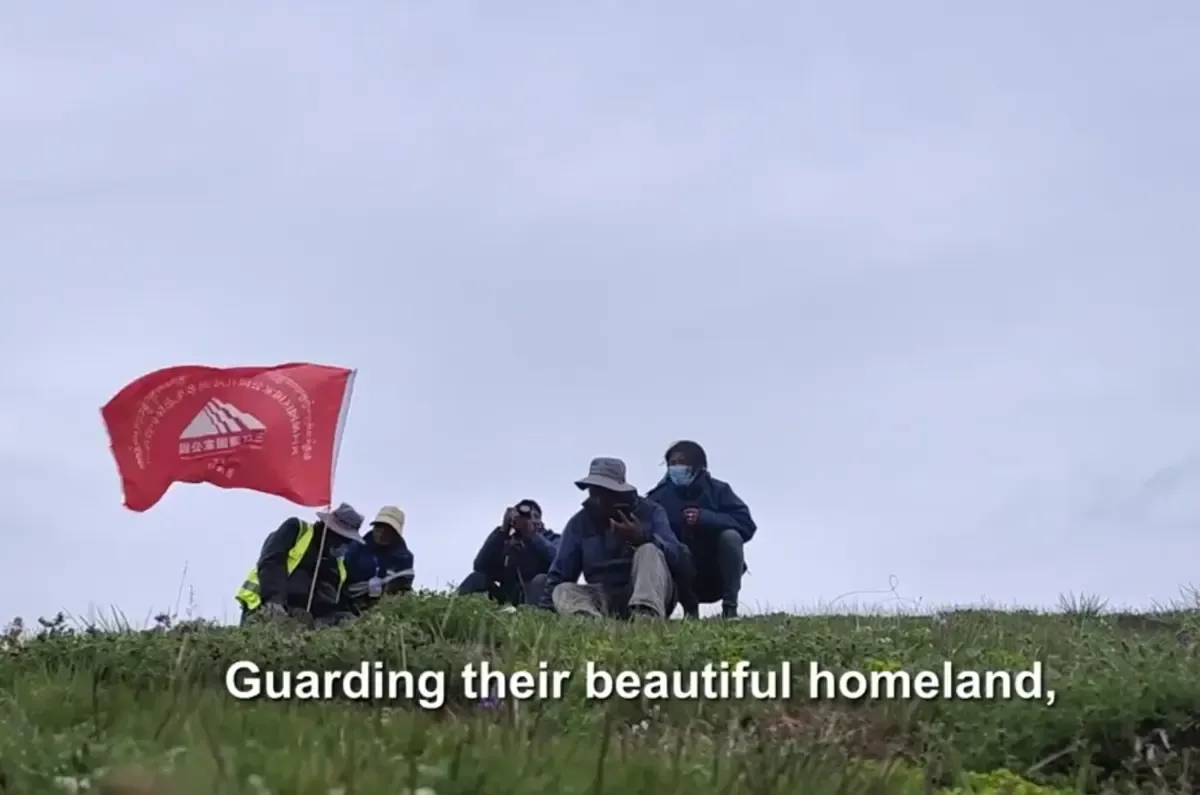
And step in, the government did. With a hefty CNY 7.5 billion (about USD 1.2 billion) investment, the Sanjiangyuan Reserve was established. The catch? Thousands of herders had to reduce grazing, and some even had to relocate their entire lives to "eco-villages." Between 2005 and 2009, some 50,000 Tibetan nomads moved, risking their traditional way of life for the greater good of conservation.
But here's where it gets interesting: local and international NGOs didn't just stand by. They jumped in, researching new income streams and getting communities directly involved. Groups like the Tibetan-led Snowland Great Rivers Environmental Protection Association built a network of over 900 volunteers to monitor wildlife and develop sustainable projects. Talk about grassroots action.
Then came 2016, and the "One household, one eco-guard" system. Suddenly, 20,000 herders were on the payroll, earning CNY 1,800–2,400 (about USD 350–450) to monitor water, wildlife, and forests, collect trash, and report illegal activities. It's like turning local knowledge into a paid public service, which, if you think about it, is both brilliant and long overdue.
Women Leading the Charge
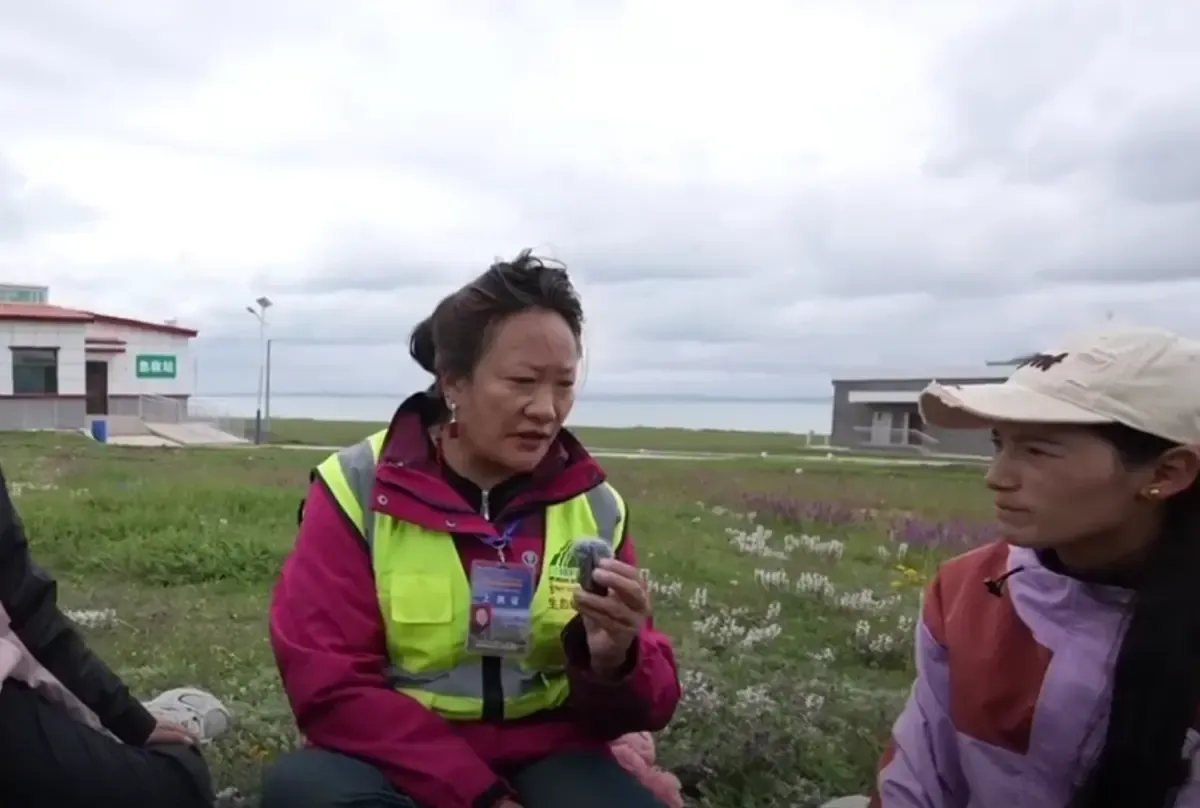
Initially, this eco-guard system often favored male household heads, leaving Tibetan women, who make up over 70% of the rural workforce, on the sidelines. But that's changing. Research revealed the disparity, leading to targeted training and support for women to start eco-friendly businesses and join conservation efforts.
In 2020, UN Women even funded the Sanjiangyuan Female Environmental Protection Network, specifically empowering women to take on conservation roles and form cooperatives. Fast forward to 2024, and the Qinghai government has now officially embraced this network, encouraging Tibetan women to become eco-guards and build careers that protect both the environment and their vibrant culture.
Sanjiangyuan officially became one of China's first national parks in 2021, and the numbers are impressive: grassland vegetation up 11%, water conservation up 6%, and the Tibetan antelope population soaring from under 20,000 to over 70,000. Let that satisfying number sink in.
What often gets lost in these impressive statistics is the quiet sacrifice of the Tibetan communities. They traded traditional livelihoods for national reserves, all to protect the water tower of Asia. But with a bit of help, they've pioneered a co-management model that blends their lives with conservation, proving that sometimes, the best environmental solutions come from those who know the land best. And now, they're on the front lines, ensuring billions of people downstream still get their daily dose of H2O.