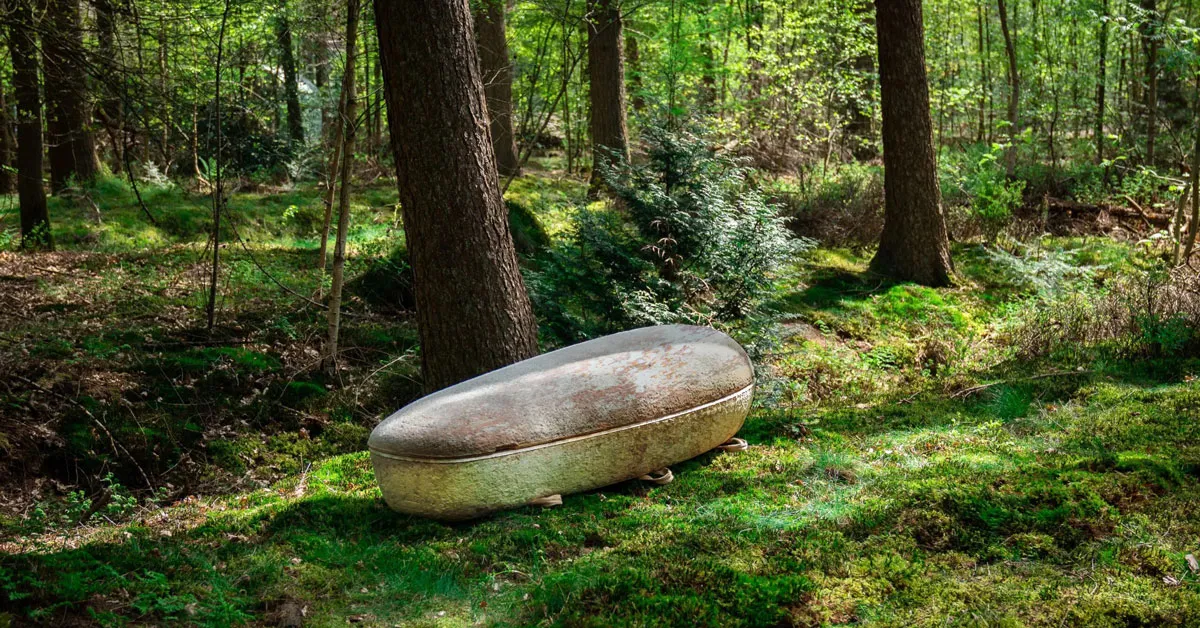
Many people want their final act on Earth to be a positive one. However, traditional burials and cremations can harm the environment. Conventional burials use non-renewable resources like wood and metal for caskets. Embalming fluids contain toxic chemicals that can pollute soil and water. Cremation releases a lot of carbon dioxide and other pollutants into the air.
Because of these concerns, more people are looking into eco-friendly ways to handle remains. The green burial industry is growing fast, expected to reach over $1 billion by 2030. A survey found that more than 60% of people are interested in green alternatives.
Creating New Life with Artificial Reefs
Resting Reef, a UK startup, turns ashes into artificial reefs. These reefs help improve marine life. The process uses "aquamation," an alkaline cremation method. Remains are mixed with crushed oyster shells and concrete, then molded into reef structures. These are placed underwater to create habitats for fish.
We're a new kind of news feed.
Regular news is designed to drain you. We're a non-profit built to restore you. Every story we publish is scored for impact, progress, and hope.
Start Your News DetoxSo far, Resting Reef has used this method for pets. They hope to expand to humans soon. In Bali, Indonesia, they have placed 24 memorial reefs. These reefs have attracted 84 fish species and show 14 times more fish diversity than nearby damaged areas.
Aura Murillo Pérez, co-founder of Resting Reef, believes cemeteries should connect us with nature. She told The Guardian that the death industry needs to change its focus from death to life and regeneration.
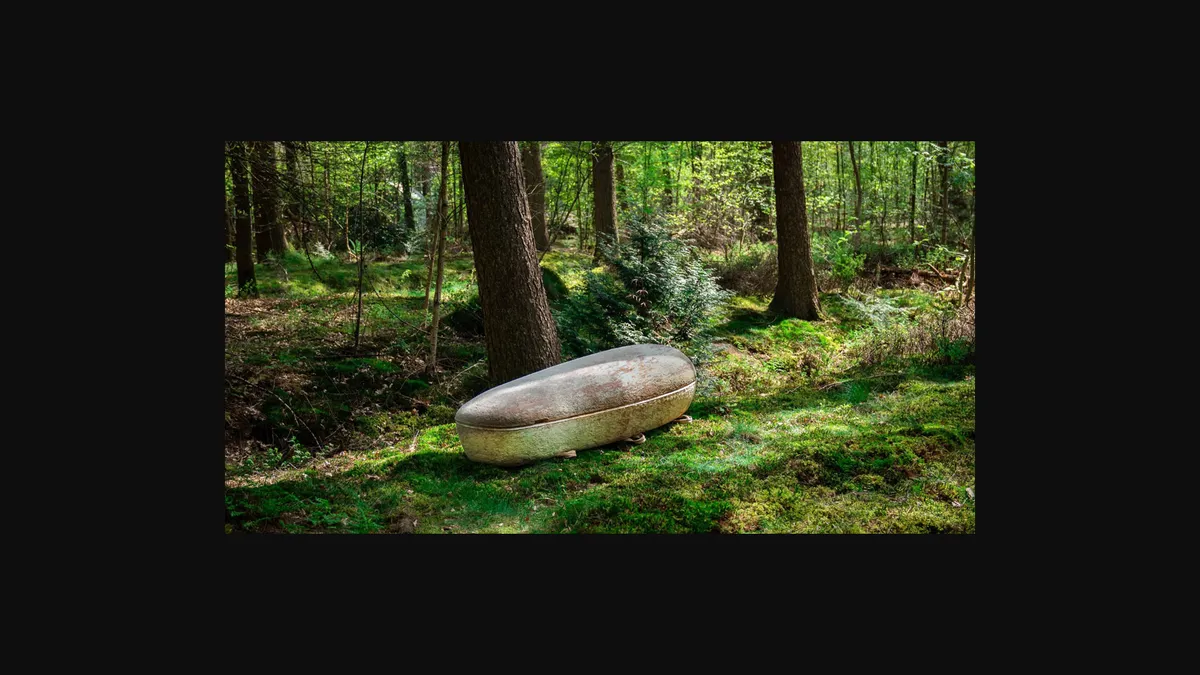 Photo courtesy of Resting Reef
Resting in a Mushroom Casket
Loop Biotech, a Dutch startup, offers mushroom caskets as a final resting place. These caskets are made from mycelium, which are living fungal fibers. They grow into a pod shape in just seven days.
A person is placed on a bed of green moss inside the pod and then buried. The mushroom coffin itself decomposes in only 45 days. Both the pod and human remains enrich the soil as they break down.
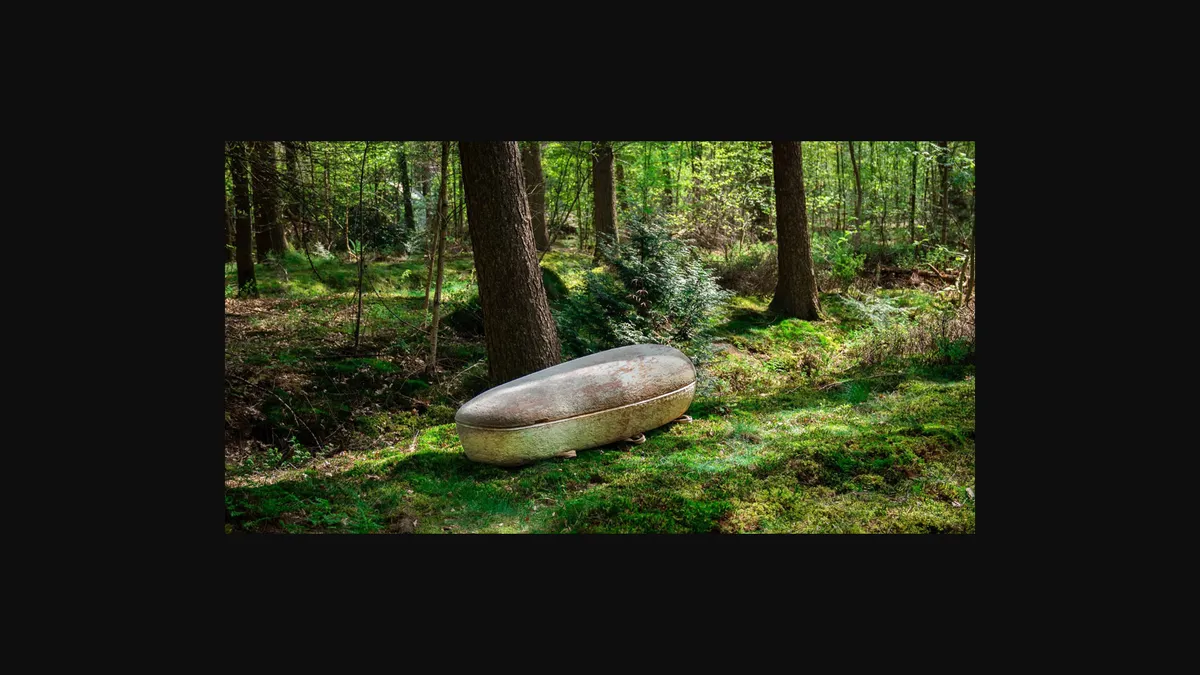 Photo courtesy of Loop Biotech
Since 2021, Loop Biotech has helped with over 2,500 burials across Europe. They recently had their first service in North America. Bob Hendrikx, CEO and founder of Loop Biotech, told Maine Public Radio that he wanted to create a product that helps the planet instead of polluting it.
Returning to Earth Through Human Composting
In 2017, Katrina Spade founded Recompose, the world's first human composting company. This process turns human remains into soil. It uses organic materials like wood chips, alfalfa, and straw to break down the body over several weeks.
Nitrogen, oxygen, and carbon help decompose the remains, similar to how food composting works. Moisture, heat, and rotating the vessel can speed up the process. After several weeks, the contents cure, leaving nutrient-rich soil. This method avoids toxic embalming chemicals, so the soil can be used like any other.
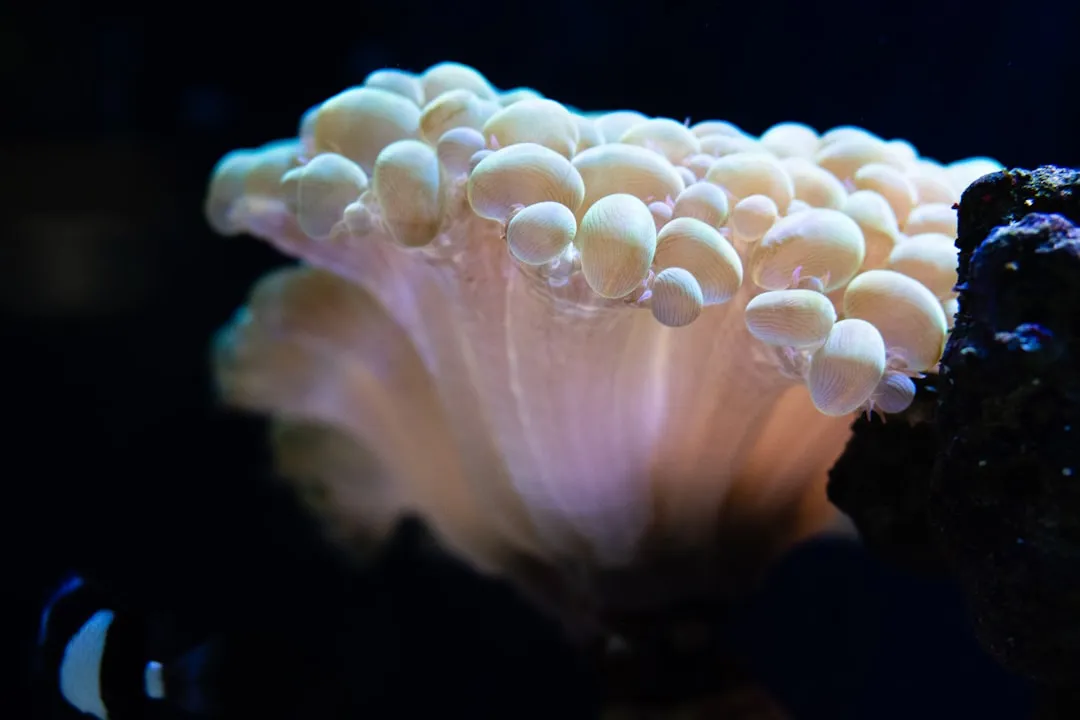 Photo courtesy of Recompose
Families can use the soil to plant flowers or trees in memory of their loved ones. About 14 states have legalized human composting, with regulations in place for local mortuaries.
Spade is happy to see more states legalizing the process and more people embracing it. She told State House News that people are choosing this option because it feels more meaningful and connects them to nature.