Most 17-year-olds are busy trying to figure out their next TikTok dance. But two high schoolers in Kenya, Fredrick Njoroge Kariuki and Miron Onsarigo, were busy solving a global health crisis. Their weapon of choice? Maize and coconut husks. Yes, really.
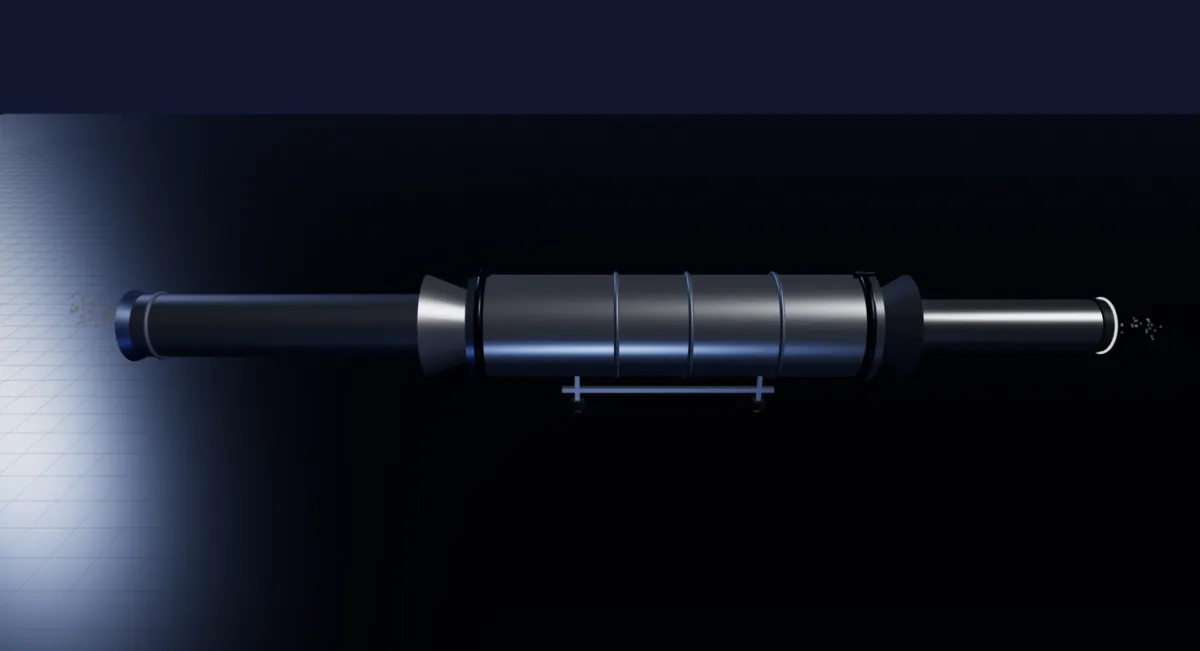
These brilliant students at M-PESA Foundation Academy developed a low-cost, eco-friendly filter for vehicle exhaust called HewaSafi, which means "clean air" in Swahili. And for their efforts, they just snagged the Africa region Earth Prize, an annual award from Switzerland's Earth Foundation for young environmental innovators.

The idea wasn't born from a textbook, but from personal experience. Kariuki, who grew up near industrial zones, developed a chronic lung disease at age 10 and still takes medication. Onsarigo watched friends and family suffer from illnesses linked to the smoggy air. "The problem of air pollution was very personal to us," Kariuki told Mongabay. "It was a passion before it became a project."
We're a new kind of news feed.
Regular news is designed to drain you. We're a non-profit built to restore you. Every story we publish is scored for impact, progress, and hope.
Start Your News DetoxAir pollution, if you weren't already aware, is a silent killer. The World Health Organization (WHO) estimates it causes a staggering 4.4 million premature deaths every year worldwide. A significant chunk of that comes from the tailpipes of vehicles, spewing out microscopic particles that wreak havoc on our lungs.
Now, Kariuki and Onsarigo's ingenious filter, made from agricultural waste that would otherwise just be, well, waste, is competing for the global Earth Prize. Public voting for the international winner wraps up on May 27th, with the big announcement on May 29th. Here's hoping their passion project cleans up, literally.