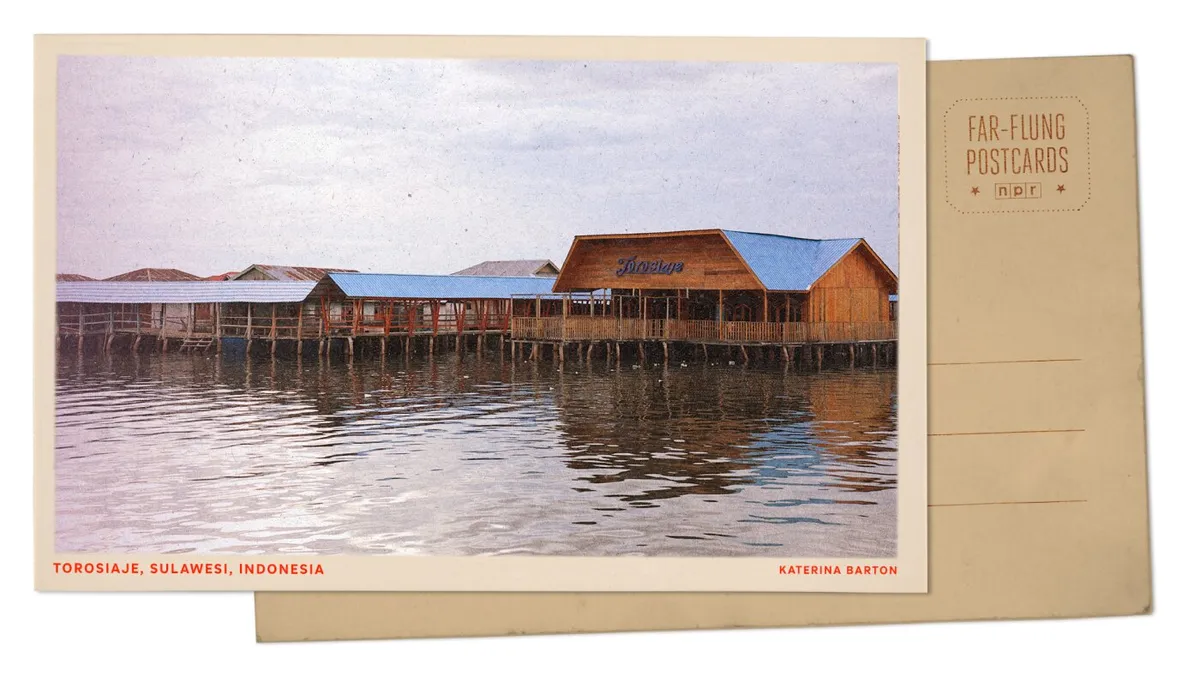
Imagine a village where the streets are made of water, and your commute involves a boat, or at least a very sturdy bridge connecting your house to, well, another house. That's Torosiaje, a vibrant, stilted settlement in a secluded cove off Indonesia's Sulawesi island, where the Molucca Sea is less a view and more a front yard.
Founded in 1901 by the Bajau people — an Indigenous group famed for their nomadic seafaring ways, often called "sea gypsies" — Torosiaje isn't just near the water; it is the water. While many Bajau have traded their boats for solid ground, the folks here still live entirely above the waves, with bridges serving as their main thoroughfares to shops, schools, and neighbors.
The Secret to Their Success? Mangroves.
These aren't just pretty trees. For the Bajau of Torosiaje, mangroves are practically the lifeblood of their community. They've not only actively cultivated them but have seen fish populations, which had dwindled, make a rather impressive comeback. Turns out, a thriving mangrove forest is a five-star hotel for marine life, and a rather excellent bodyguard against coastal erosion, too.
We're a new kind of news feed.
Regular news is designed to drain you. We're a non-profit built to restore you. Every story we publish is scored for impact, progress, and hope.
Start Your News DetoxBut the utility doesn't stop there. The Bajau are resourceful, turning mangrove seeds into soap, medicines, and skincare products. And because who doesn't love a good origin story, they even mill mangrove flour into cakes. Because apparently that's where we are now: eating nature's coastal protectors.
The Bajau's own origins are a bit of a charming mystery, involving a sultan, a kidnapped princess, and a vow never to return without her. This tale of enduring loyalty supposedly led his men to become the sea nomads we know today. And eventually, to build a rather spectacular life right among the mangroves. Which, if you think about it, is both impressive and slightly terrifying.