Cuba — a place known for its vibrant culture and, apparently, for being one of the top ten islands globally for biodiversity. Yet, beneath the surface, a silent crisis is unfolding: its unique species are facing extinction at an alarming rate. Think of it as paradise with a ticking clock.
Take the manjuarí, a fish so exclusive it only calls Cuba home. Since 2020, it's been critically endangered, prompting a last-ditch effort involving special fish food and an emergency hatchery. Because apparently, even fish need a VIP section when things get dire.
But here’s the kicker: many other Cuban species don’t get the manjuarí treatment. Biologist Isbel Díaz Torres points out that while there are plenty of protected areas on paper, actual, boots-on-the-ground conservation is largely missing. No active science, no constant monitoring, and, perhaps most crucially, no real community involvement. Just a lot of very pretty plans.
We're a new kind of news feed.
Regular news is designed to drain you. We're a non-profit built to restore you. Every story we publish is scored for impact, progress, and hope.
Start Your News DetoxThe Numbers Don't Lie
A 2019 report by the UN and Cuba’s Ministry of Science, Technology and Environment found 157 vertebrate species under threat. That's 52 critically endangered, 42 endangered, and 63 just plain vulnerable. Among invertebrates, mollusks are having an especially bad time, with 34 vulnerable and 31 critically endangered species. Díaz Torres doesn't mince words, suggesting that with a government-controlled science sector, economic crisis, and a mass exodus of scientists, biodiversity protection isn't exactly topping the priority list.
But despite the institutional shrug, some truly dedicated folks are making a difference. The Cuban Biodiversity portal, for instance, mapped out which areas are basically walking a climate change tightrope by 2050. Low-lying regions like Zapata and the Cauto Valley are at high risk of turning into biological ghost towns if greenhouse gas emissions aren't reined in.
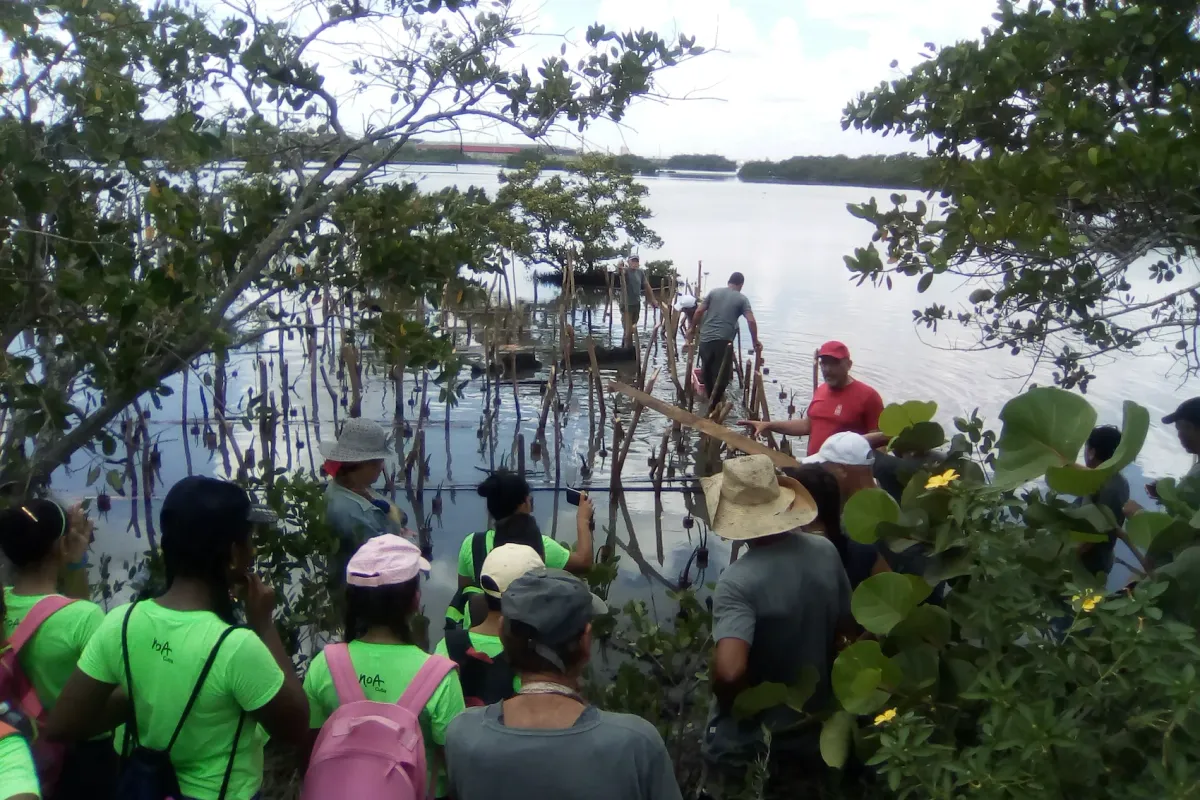
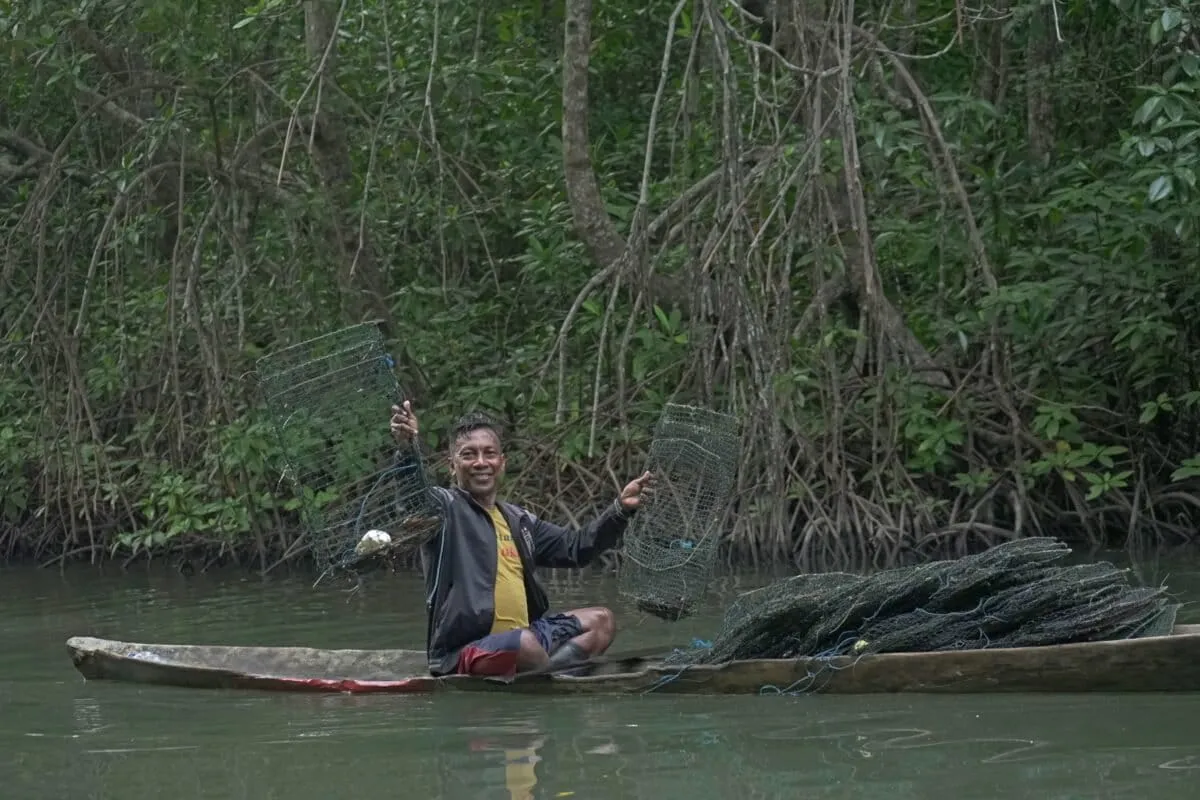
Then there are the mangrove whisperers. Projects like UNESCO’s MangRes are busy restoring red mangroves and documenting local knowledge in the Guanahacabibes Peninsula. And the Manglar Vive project has spent over a decade reforesting 84 kilometers of mangroves in Mayabeque, essentially giving the coast a much-needed green hug.
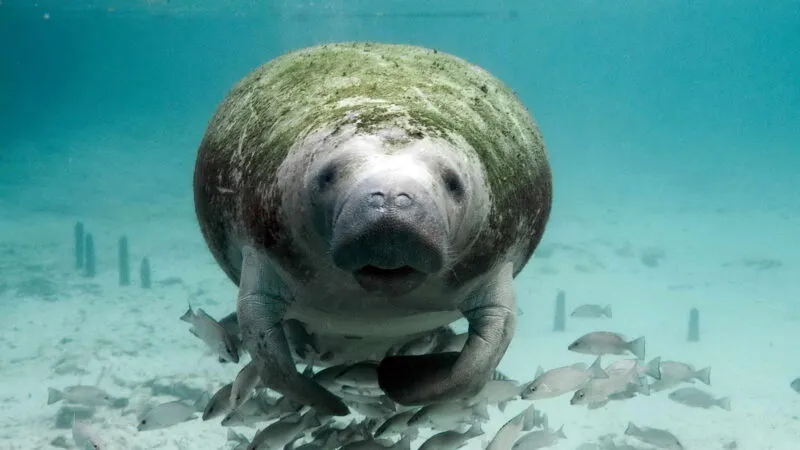
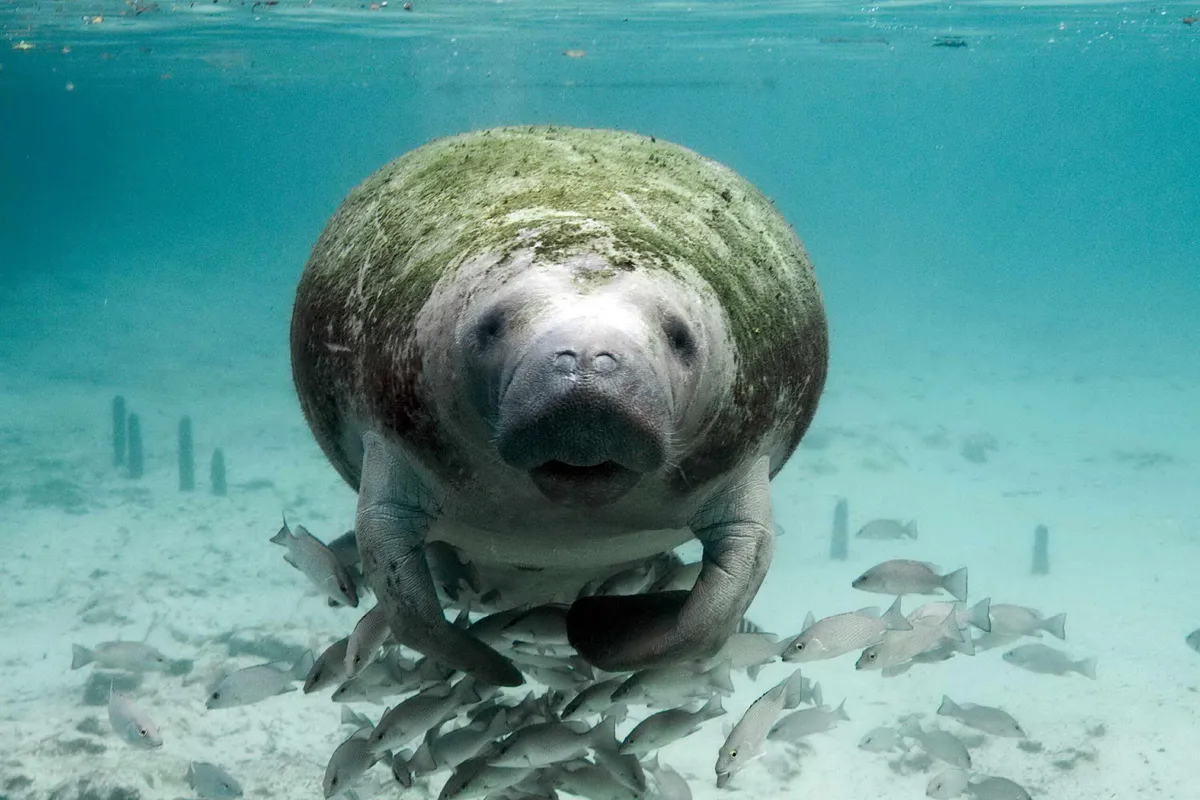
Even the Antillean manatee, that gentle giant of the sea, is getting some much-needed attention. Research in the Journal of Marine Research highlighted human activity as its biggest threat in Villa Clara. The solution? A multi-pronged attack: protect habitats, reduce human interference, monitor constantly, and educate the communities living alongside them. Because apparently, even in protected areas, people still need a reminder to play nice.
And let’s not forget the polymita snails. These colorful little guys are so threatened that a Rufford Foundation project spent a decade updating their locations and pushing for new protected areas. They even tried some environmental education, because who doesn't love a snail with a good PR team?
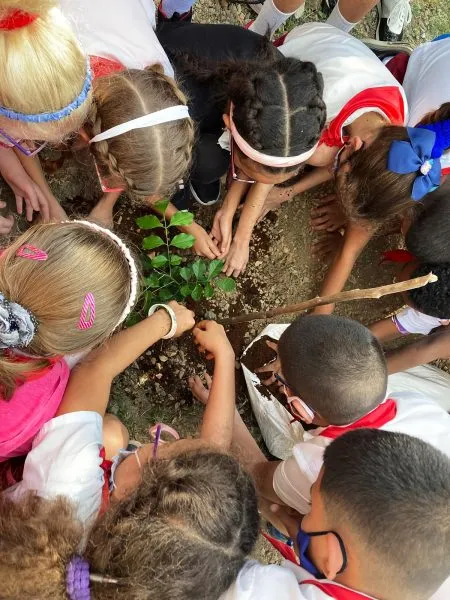
Cuban civil society groups are also stepping up. Nativa. Red de Microviveros, founded in 2021, is all about protecting native plants. As co-founder Juan Carlos Sáenz de Calahorra noted, giving plants names helps people recognize they're actual, individual beings. Which, if you think about it, is a pretty profound way to kick off a conservation effort.
Even with environmental activism facing an uphill battle, these projects are a testament to what small, focused efforts can achieve. As Díaz Torres puts it, activism provides crucial oversight when the state isn't exactly auditing itself. Because sometimes, the most effective conservation starts with a few determined people, a good idea, and a healthy dose of side-eye towards the powers that be.