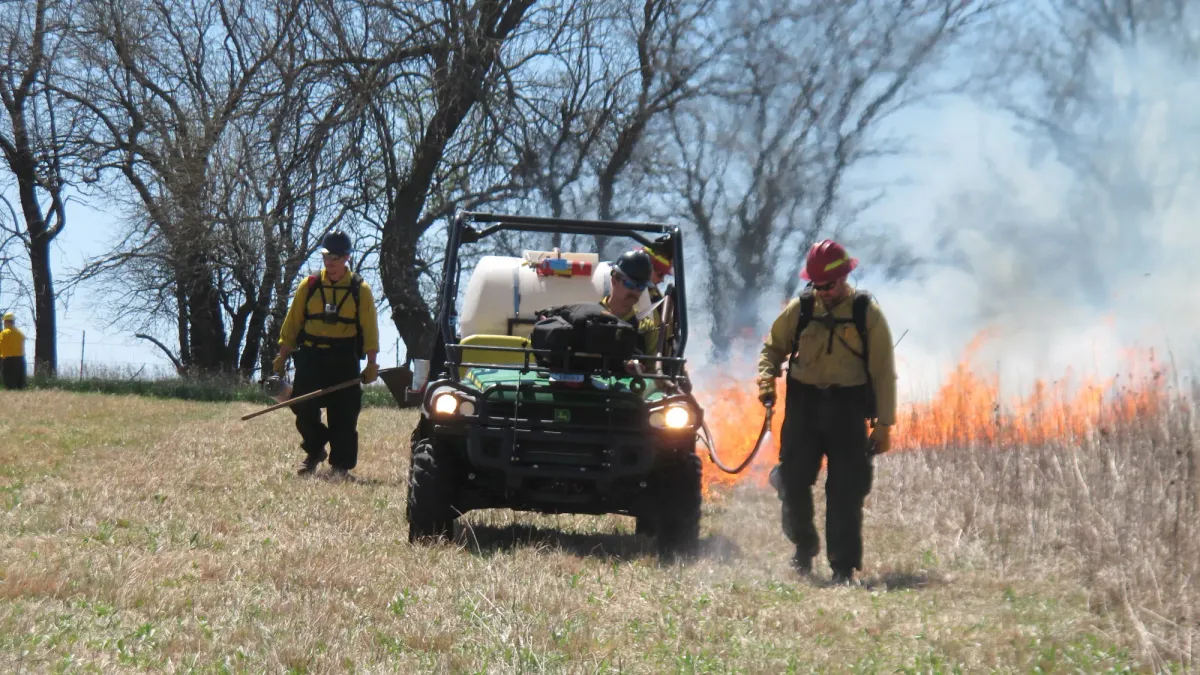
When a wildfire barrels toward you in Nebraska's Loess Canyons, you've got problems. Steep slopes, narrow valleys, few roads, and a whole lot of eastern red cedar trees — which, fun fact, can literally explode when they burn. Fire Chief Jason Schneider learned this the hard way when the Cottonwood Fire kept reigniting behind his crew.
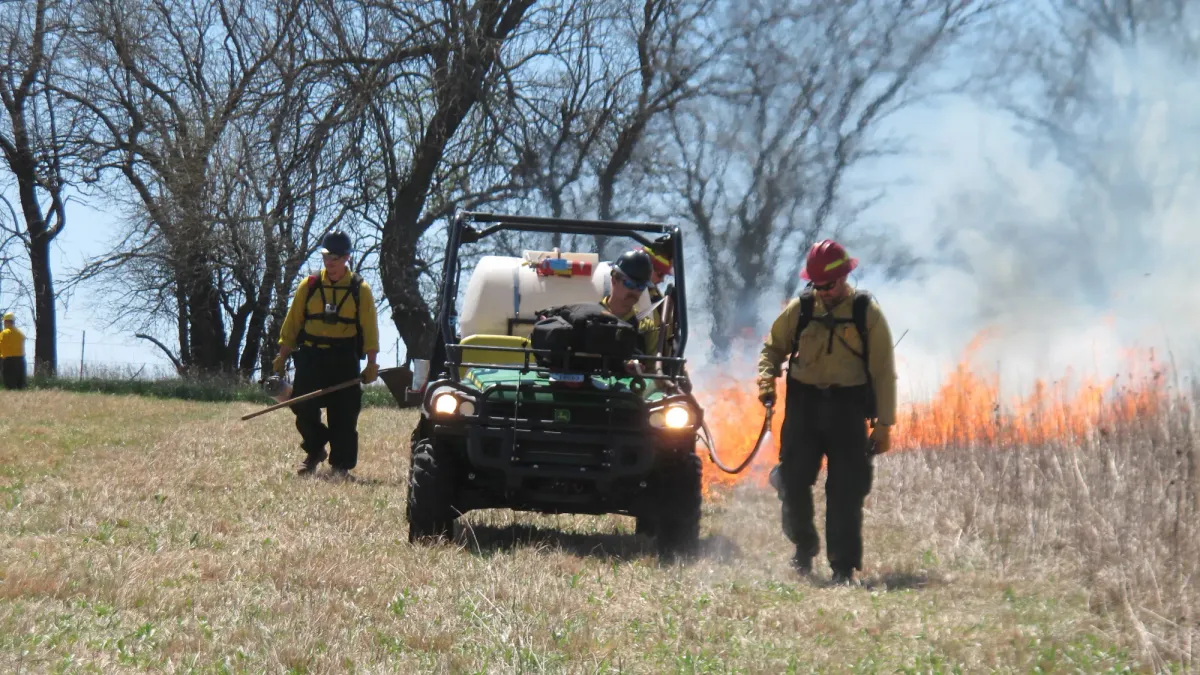
Then came the South Loup Burn Association, a group of landowners and ranchers who taught Schneider's volunteer department the ancient art of the back burn: intentionally setting smaller, controlled fires to clear out the fuel in a wildfire's path. It worked. Schneider credits them with saving vast stretches of land.

The Great Burn Debate
Nebraska's fire season peaks in spring, not summer, and this year has been a record-breaker, with nearly a million acres scorched by early May. This has intensified a fiery debate: Is the cure for wildfires more fire?
We're a new kind of news feed.
Regular news is designed to drain you. We're a non-profit built to restore you. Every story we publish is scored for impact, progress, and hope.
Start Your News DetoxThe Cottonwood Fire showed the upside of prescribed burns, contained thanks to these techniques and previously burned areas. But then, in the same month, a controlled burn in the Nebraska National Forest turned into the 36,000-acre Road 203 wildfire thanks to a sudden gust of wind. Because, apparently, even the best-laid plans can go up in smoke.
Decades of fire suppression and a generous helping of climate change have turned American landscapes into tinderboxes. So, fire departments and land managers are increasingly turning to prescribed burns to prevent catastrophic blazes. States like Mississippi and Alabama routinely burn hundreds of thousands of acres. In Nebraska, the practice is growing, with 2025 seeing the most acres burned by prescribed fire in recent memory.
But head to the western Sandhills, and you'll find fierce opposition. Locals don't want fire in an area with nothing to stop it. Which, if you think about it, is both a reasonable concern and an excellent argument for preventing massive, uncontrolled fires.
Yet, done correctly, prescribed burns aren't just fire prevention; they're land therapy. They clear out fuel like those explosive cedars, enrich soil, and boost biodiversity. Ranchers even save money because cattle prefer the grass that grows back after a burn. As Kent Pfeiffer of the Northern Prairies Land Trust puts it, remove fire from the landscape, and you get infrequent, high-intensity infernos instead of frequent, low-intensity ones.
Ranchers Embrace the Blaze
Tucker Thompson initially thought prescribed burns were "insane." He chopped down cedars for years, only to watch them grow back. Eventually, he realized he had no choice but to burn. Now, he's part of two burn groups and helped contain the Cottonwood Fire, even on his own grazing lands. He says it makes fires more manageable.
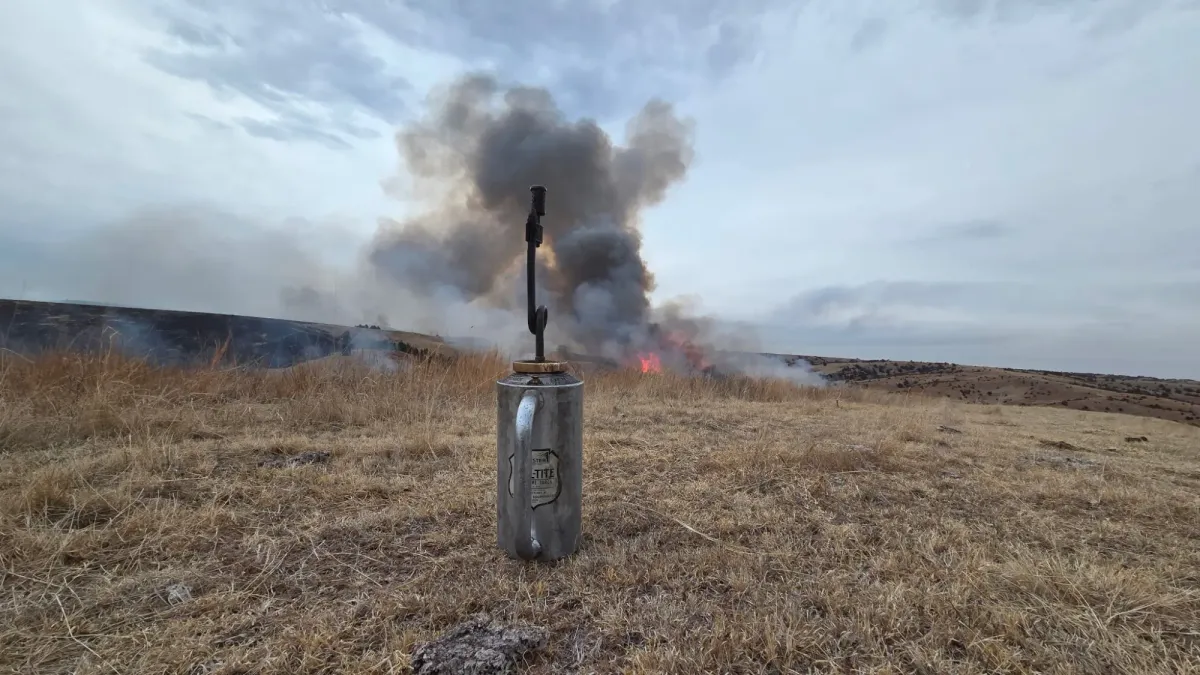
Historically, fire was a natural part of Nebraska's ecosystem, controlling species like the eastern red cedar. Indigenous peoples also used prescribed burns to manage land, clear underbrush, and promote new growth. It seems our ancestors were onto something.
But conducting these burns is no walk in the park. It requires extensive planning, monitoring, money, equipment, and people. And even then, a sudden shift in weather can send all that effort up in smoke. Just ask semi-retired rancher Jon Immink, who maps out burns years in advance and admits he doesn't sleep well during burn season, constantly replaying worst-case scenarios.
Landowners need a permit and a detailed burn plan for their local fire chief, who then decides whether to waive Nebraska's open burn ban. Governor Jim Pillen temporarily halted permits in March due to devastating wildfires, which meant heavy vegetation couldn't be burned in some areas. Now, new grasses are growing, making it even harder to burn before summer turns them into more fuel.
The Risk vs. Reward
Becky Potmesil, a rancher in the western Sandhills, has seen the aftermath of wildfires — a "moonscape," she calls it. She thinks prescribed burns in her region are "crazy" due to fewer fire breaks, less infrastructure, and extreme weather. Chief Ralph Moul agrees, preferring snow or green grass on the ground for any burns.
Moul, who commanded the 642,000-acre Morrill Fire, knows prescribed fire has its place. But he's wary of issuing permits on red flag days, noting that some groups push for burns then to get a better "kill" of trees, often leading to escaped fires.
Even the U.S. Forest Service, with its 99.84% success rate for prescribed burns, isn't immune. The Road 203 wildfire started after strong winds ignited a spot fire outside a controlled burn's boundary more than a day after it was supposedly contained. Because sometimes, fire just has other plans.
Changing weather and the spread of cedar trees are the main culprits for escaped burns. As the gap between prescribed fire acreage and actual fuel load widens, fires become more intense, requiring riskier burns. It's a tricky balance.
When ecologist Dirac Twidwell arrived in Nebraska in 2013, he was told prescribed fire would never be used in the Sandhills. Now, he's seen multiple burns there. The culture is changing, even if some landowners remain unconvinced. Everyone understands the wildfire risk, Twidwell notes, but fewer grasp the benefits and reasons behind using fire to fight fire. Perhaps it's time for more conversations, and fewer exploding cedar trees.