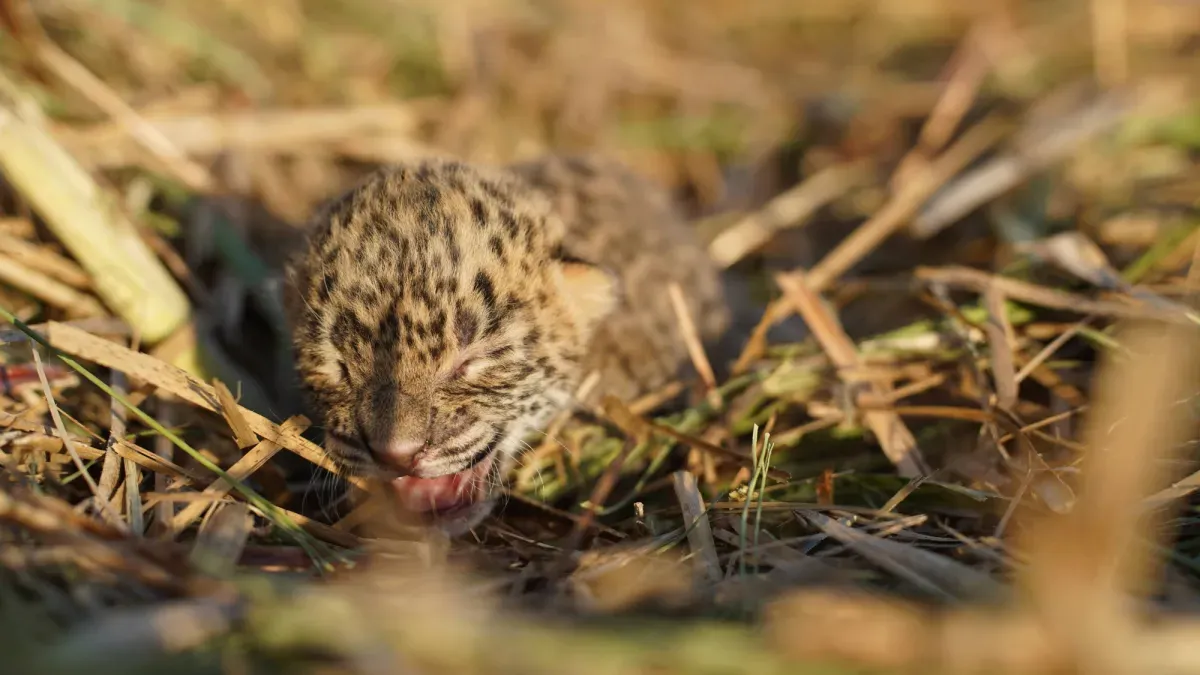
India's leopards are absolutely crushing it. We're talking a population hovering between 12,616 and 15,132 individuals, which wildlife biologist Thomas Sharp dryly calls "a healthy number." And get this: unlike their more dramatic big cat cousins, the tigers and lions, these leopards are doing just fine, thank you very much, even when humans are practically neighbors.
Turns out, being a bit of a homebody who prefers smaller snacks (think goats, dogs, the occasional really unlucky housecat) makes you surprisingly adaptable. Sharp, who works with Wildlife SOS, points out that this flexibility is a huge win, especially as human habitats keep expanding into, well, everything else. The catch? Living cheek-by-jowl with us often leads to conflict, and it's usually the leopard who gets the short end of the stick. They rarely attack people unless they feel cornered, which, if you think about it, is a pretty reasonable reaction for anything with claws that big.
The Sweet Spot for Leopard Pups
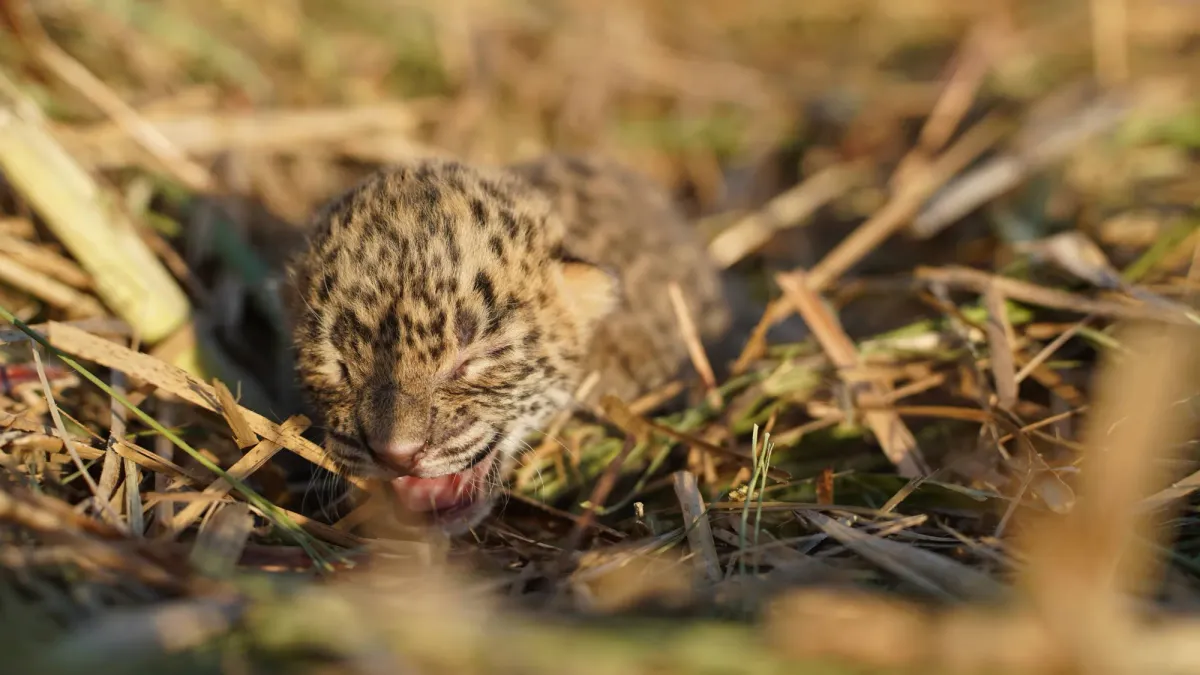
Now for the really wild part: in certain regions of India, sugarcane fields have become the hottest new real estate for leopard nurseries. As natural habitats get bulldozed for these towering, dense crops, leopards have simply shrugged, said "Fine, whatever," and started raising their families among the sweet stalks.
We're a new kind of news feed.
Regular news is designed to drain you. We're a non-profit built to restore you. Every story we publish is scored for impact, progress, and hope.
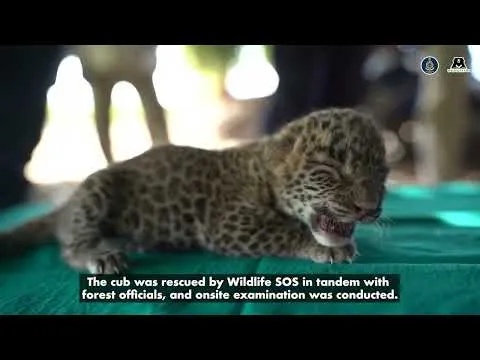
Start Your News DetoxThis new, rather inventive parenting strategy means that sometimes, while mom is out hunting, a farmer doing their rounds or a passerby on a stroll might stumble upon a tiny, meowing leopard cub. Naturally, the human instinct kicks in: "Oh no, abandoned baby!" And because they're ridiculously cute, some folks even take them home. Which, while well-intentioned, is probably not what the mother leopard had in mind.
Moving cubs might save them from farm machinery, sure, but it also creates a rather awkward situation when mom comes back to an empty nest. (Imagine the frantic texts she'd be sending if she had a phone.)
The Great Cub Reunion
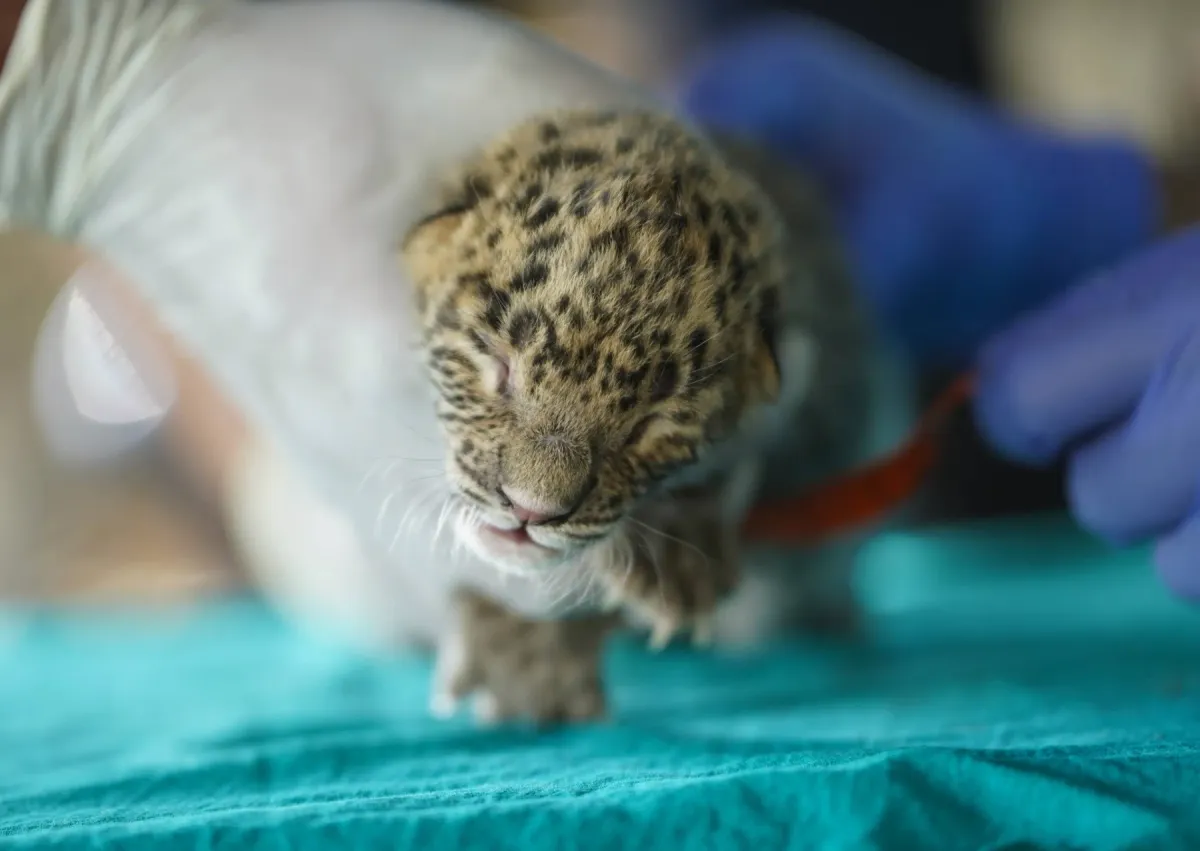
Wildlife SOS has a simple plea: if you find cubs, leave them be. Mom's probably just popped out for a quick bite and will be back within a few hours. If a cub has to be moved, that's when Wildlife SOS steps in. They check the little one's vitals, then get it back to its rightful owner ASAP. Not just because cubs need their mothers (obviously), but also because a frantic mama leopard on the hunt for her missing offspring is not something you want lurking near your village.
Their reunion strategy is genius in its simplicity: they place the cub in a box with air holes near where it was found. The box keeps the cub safe from other predators, stops it from wandering, and lets mom hear and smell her baby. Then, they wait. Once the mother finds her cub, she usually just knocks the box over and carries her baby off to a new, secret spot. (Because apparently, humans can't keep a secret.)
Camera traps confirm these heartwarming reunions. So far, Wildlife SOS has successfully returned 112 cubs to 73 mothers. Only five little ones couldn't be reunited and now live at their rescue center. Let that satisfying number sink in: 112 leopard families, kept together, all thanks to some clever humans and very adaptable big cats.