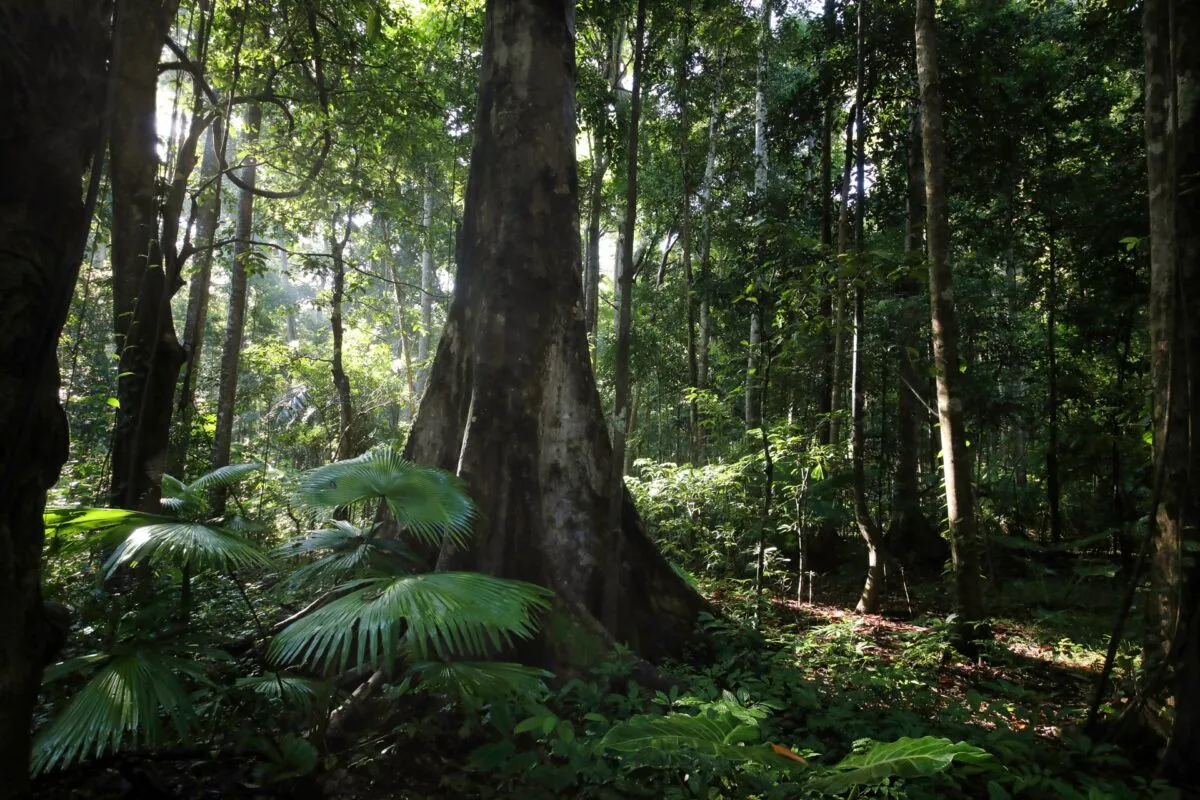
Good news, everyone: the planet’s primary tropical forests just saw a 36% drop in deforestation in 2025. Let that satisfying number sink in. It’s like the Earth finally decided to take a deep, leafy breath after years of holding its proverbial lungs.
But before we all start high-fiving the nearest tree, Elizabeth Goldman, co-director of Global Forest Watch (GFW), is here to offer a dose of reality. She calls it “a better year, but it’s just one year.” Because even with the significant decrease, we still managed to lose over 4.3 million hectares of primary tropical forest. For context, that’s an area larger than Switzerland. So, progress, yes, but let's not get too comfortable.

Goldman points out that this improvement is about as stable as a house of cards in a hurricane. "If 2025 had been another bad fire year like 2024, we’d be telling a very different story," she noted, probably while nervously eyeing the weather forecast. Which, if you think about it, is both impressive and slightly terrifying.
We're a new kind of news feed.
Regular news is designed to drain you. We're a non-profit built to restore you. Every story we publish is scored for impact, progress, and hope.
Start Your News DetoxFor the GFW team, this data isn't just a pat on the back; it's a chance to figure out what actually worked and how to scale it up. Because, naturally, just when things start looking up, a new El Niño cycle is heading our way in 2026. This means hotter, drier conditions for tropical regions — basically, a giant, global tinderbox.
"That’s going to be the real test," Goldman explained. "We could see the same kind of fire-driven loss we saw in 2024 if the right measures aren’t in place." So, the planet is essentially on probation, and El Niño is the strict, fiery judge.
Where Did We Get It Right?
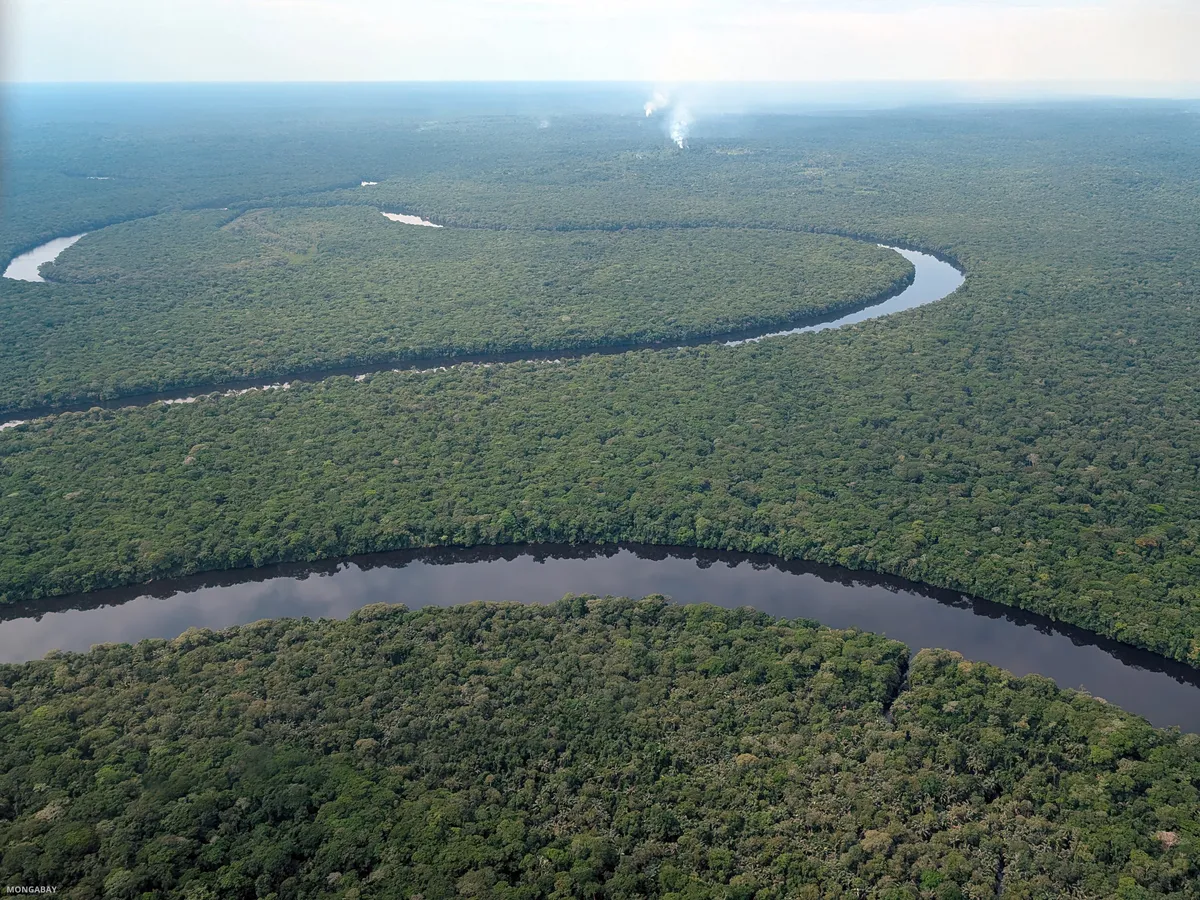
One bright spot: the Democratic Republic of Congo (DRC) saw a 5% reduction in primary forest loss between 2024 and 2025. The DRC, along with Brazil and Indonesia, holds the lion's share of the world's remaining tropical forests. So, any win there is a big win for everyone.
So, while 2025 was a much-needed win for the world's lungs, it’s less a victory lap and more a cautious jog towards the next challenge. Because, apparently, even good news comes with an expiration date.