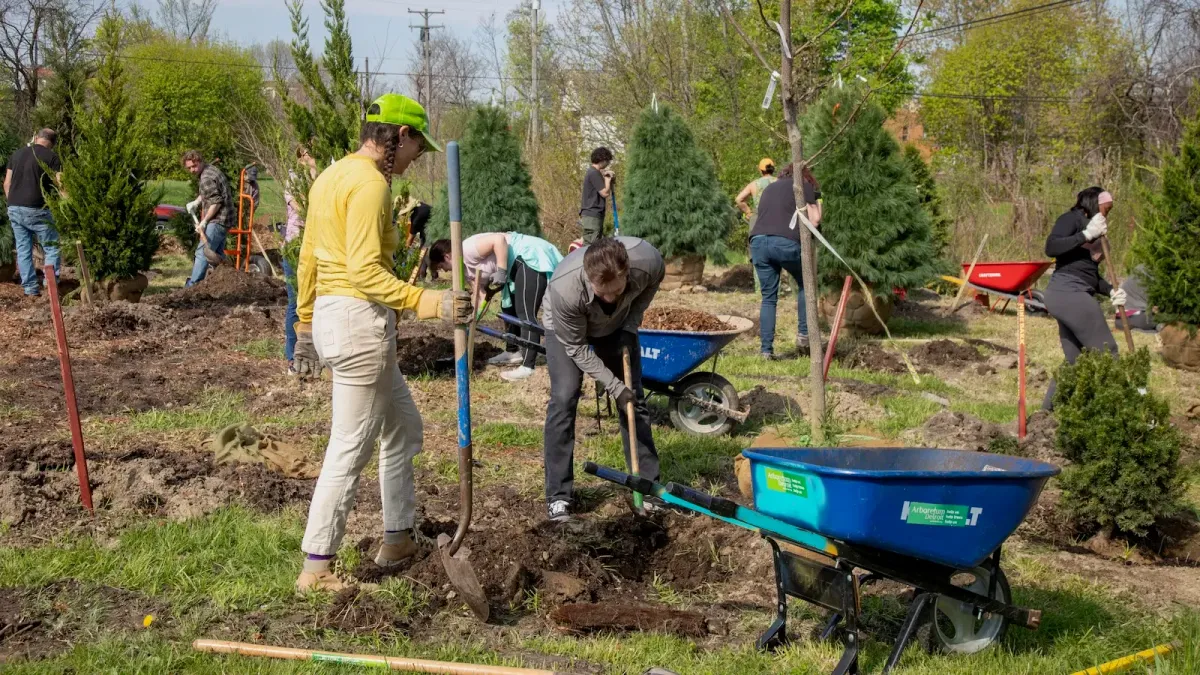
Johnny Appleseed, it turns out, was more than just a guy with a funny hat and a penchant for fruit. He was, in essence, an early urban planner, creating shade long before "urban heat island effect" was a phrase anyone uttered. Fast forward two centuries, and cities are finally catching on: trees are the original air conditioning.
Turns out, this ancient wisdom is backed by some very modern science. New studies are shouting from the rooftops (the ones that are hopefully reflective, but we'll get to that) that more trees mean significantly cooler cities. We're talking a massive boost to biodiversity, a little mental health pick-me-up, and, perhaps most importantly, a serious dent in the mercury. One paper found that ample tree cover can slice the urban heat island effect—that delightful phenomenon where cities bake while the surrounding countryside chills—by a full 50%. Let that satisfying number sink in.
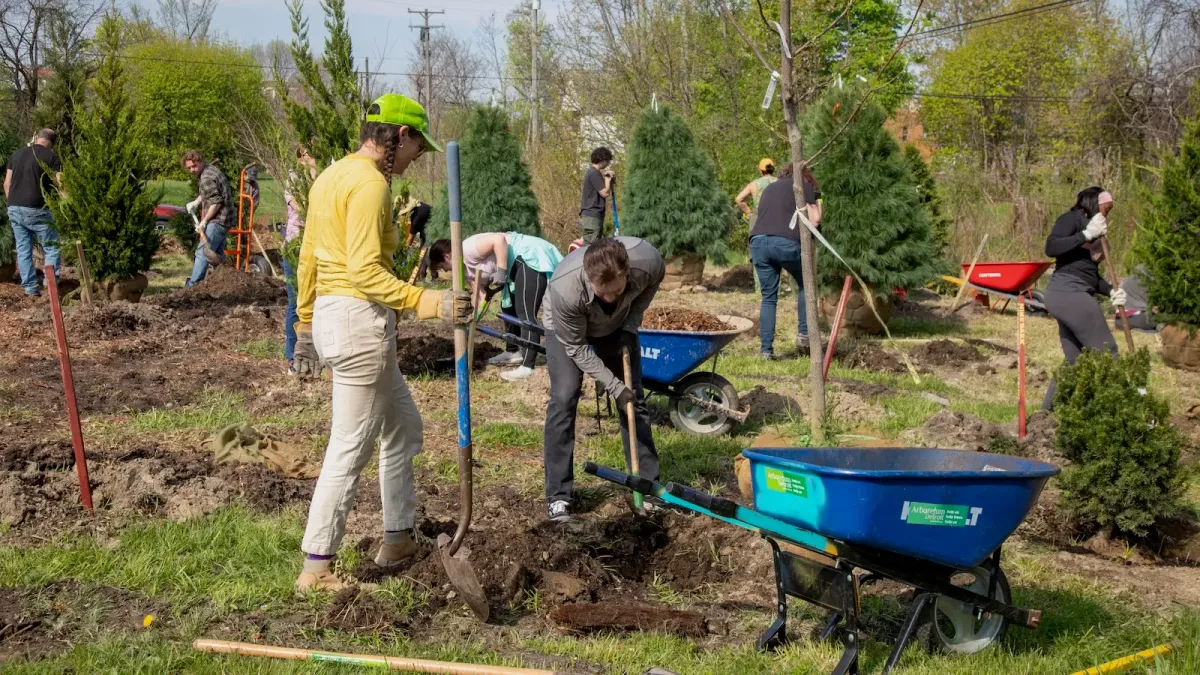
Another deep dive into 65 American cities revealed that neighborhoods with sparse tree populations were up to 40% hotter than their leafy counterparts. So, while New York and Los Angeles are busy paving, they might want to consider some more living, breathing infrastructure. Because apparently, heat is a major public health menace, claiming around 350,000 lives annually worldwide. Robert McDonald, a lead scientist at The Nature Conservancy, points out that without the trees we already have, the urban heat island effect would be twice as bad. Which, if you think about it, is both impressive and slightly terrifying.
We're a new kind of news feed.
Regular news is designed to drain you. We're a non-profit built to restore you. Every story we publish is scored for impact, progress, and hope.
Start Your News DetoxTrees are the ultimate multi-taskers. They cool things down in two elegant ways: releasing moisture like tiny, leafy sweat glands, and, you know, providing shade. Concrete, meanwhile, just soaks up the sun's energy and radiates it out slowly, often well into the night. No evening cool-down for you. This is particularly grim news for folks without AC, considering heat kills more Americans than all other extreme weather events combined. That's a statistic that should make us all want to plant something.
The Cooling Dividend: Not All Neighborhoods Are Created Equal
Here's where it gets a little uncomfortable: the heat problem isn't distributed equally. Lower-income neighborhoods often sport fewer trees than their wealthier counterparts. Think industrial zones with vast concrete jungles, or densely packed housing developments where trees were an afterthought. Suburbs, conversely, often boast an abundance of parks and mature trees, keeping things comfortably cool. This disparity, dubbed the "cooling dividend," showed temperature gaps of almost 4 degrees Fahrenheit between the haves and have-nots of tree cover. Neighborhoods with lots of trees can experience 20% to 40% less excess heat. Consistent findings across the U.S. were, as Steve Whitesell of the Healthy Green Spaces Coalition put it, "surprising."
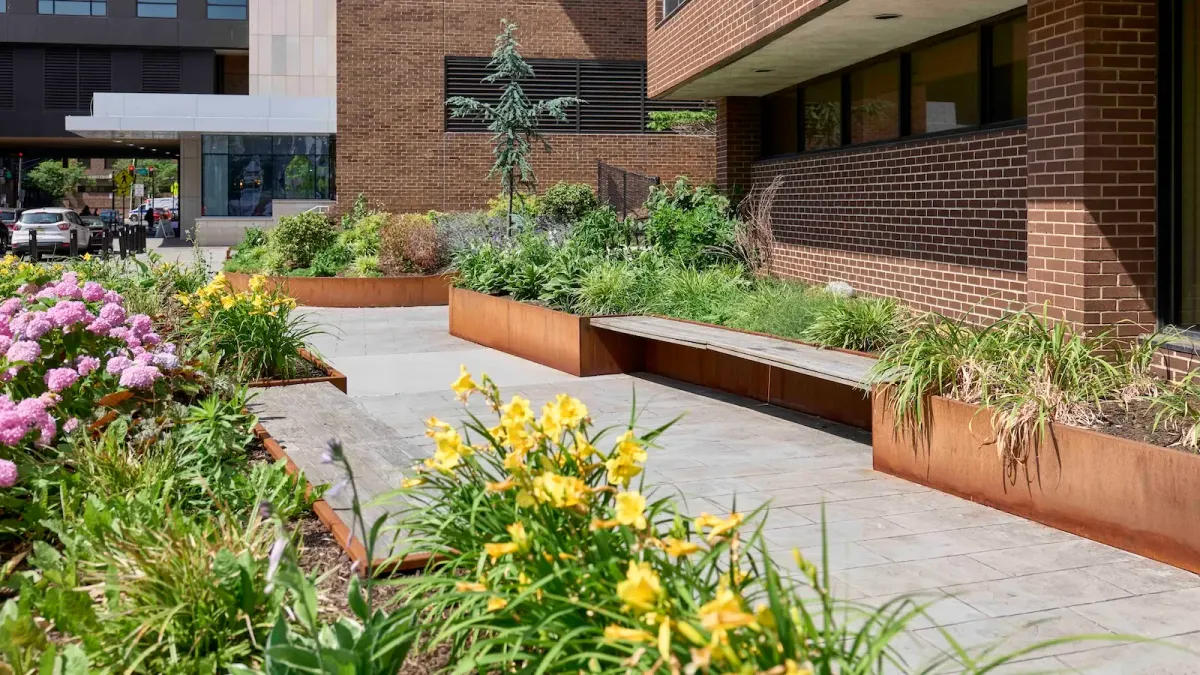
It's not just about planting any tree, mind you. Size matters. Larger species are the shade champions. Some trees are also better at evaporative cooling. Drought-adapted trees are great, but they're not going to sweat as much. And hey, why not throw in some fruit trees for a bonus snack and local wildlife support? Urban arborists are even looking ahead, planting species that can handle a future where things are only going to get toastier. Edith de Guzman, a researcher at UCLA, sums it up: using trees as living infrastructure to combat rising temperatures is absolutely crucial.
Now, don't get us wrong, trees are fantastic, but they're not magic. McDonald's study found that even maximum tree planting would only offset 20% of future temperature increases from climate change. We'll still need other tricks up our sleeves, like those aforementioned reflective rooftops. Especially in poorer nations where cities are expanding at warp speed but tree cover is lagging. Climate change is a beast, and trees are a powerful ally, but not the sole savior.
Cities have faced similar environmental challenges before. London's green spaces during the Industrial Revolution inspired Paris's grand parks. So, we've done this before, bringing nature back into the concrete jungle. Increasing tree cover is entirely possible. It just takes effort. And, you know, a few hundred million tiny Johnny Appleseeds.