This week, it seems the world decided to revisit its past, not to dwell, but to repurpose. From ancient artifacts finding their way home to building rubble becoming tomorrow's infrastructure, humanity is proving that sometimes, the best way forward is to look at what you already have.
The Grand Repatriation of Priceless Pieces
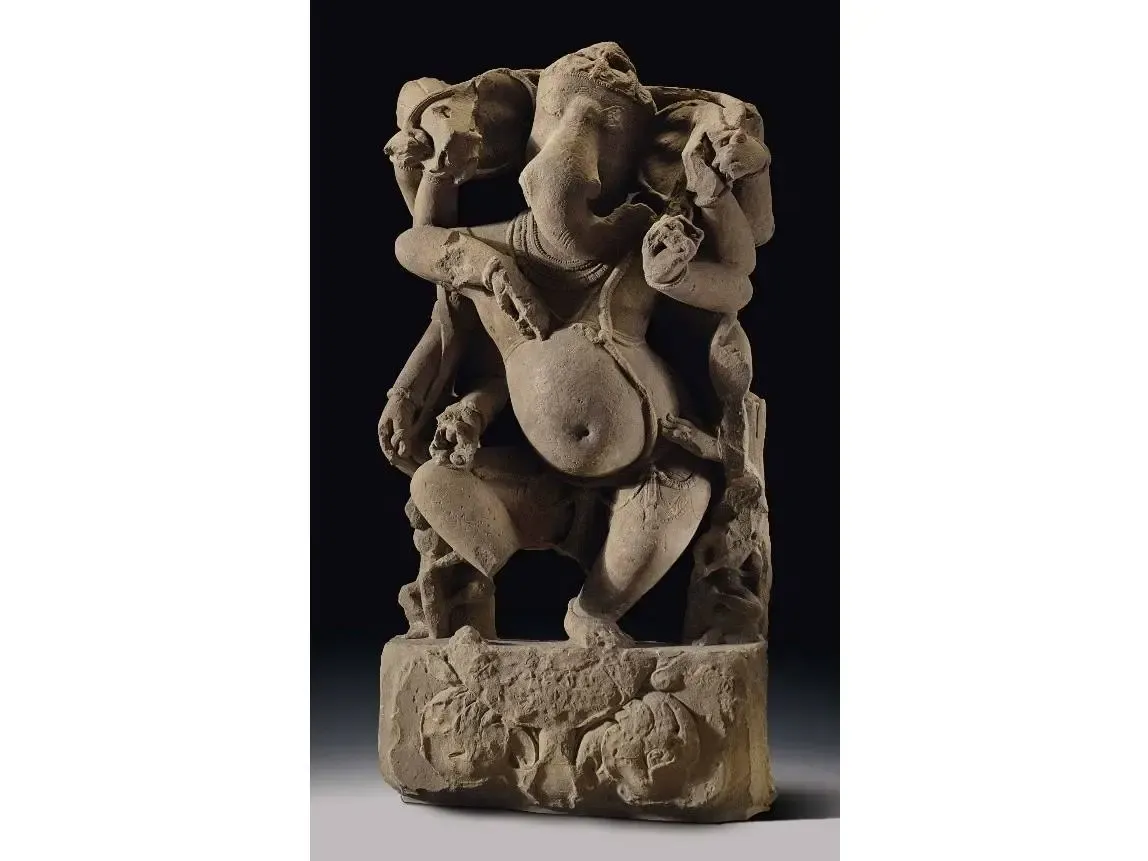
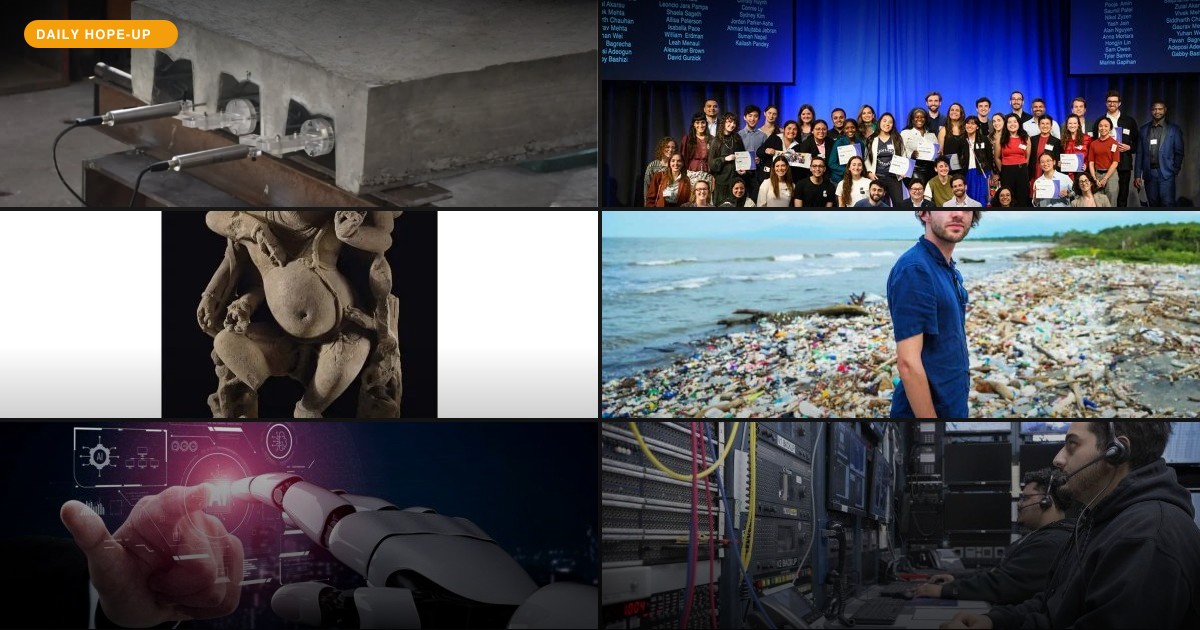
For far too long, historical treasures have been scattered, often ending up in private collections far from their origins. But this week, Manhattan District Attorney Alvin L. Bragg, Jr., announced a significant step towards righting these wrongs: the return of 657 trafficked antiquities to the people of India. Valued at nearly $14 million, these items are more than just monetary assets; they're pieces of cultural heritage, finally making their way home after years of investigation. It’s a quiet but powerful reminder that history isn't just a commodity to be bought and sold. This means that cultural institutions and governments are increasingly committed to ethical stewardship over mere acquisition, signaling a broader respect for global heritage.
"On April 28, Manhattan District Attorney Alvin L. Bragg, Jr., announced the return of 657 trafficked antiquities to the people of India. The items, valued at nearly $14 million, were recovered in the course of ongoing investigations."
Wait—What is Brightcast?We're a new kind of news feed.
Regular news is designed to drain you. We're a non-profit built to restore you. Every story we publish is scored for impact, progress, and hope.
Start Your News Detox
Concrete Ideas from Old Shells and Rubble
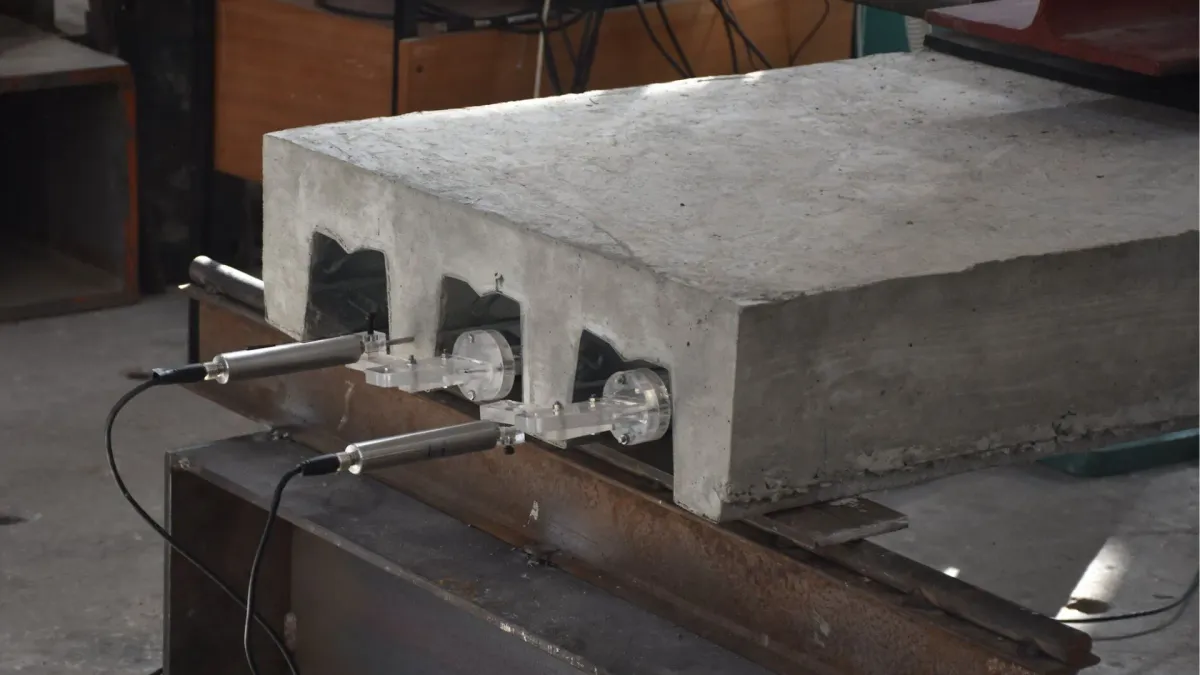
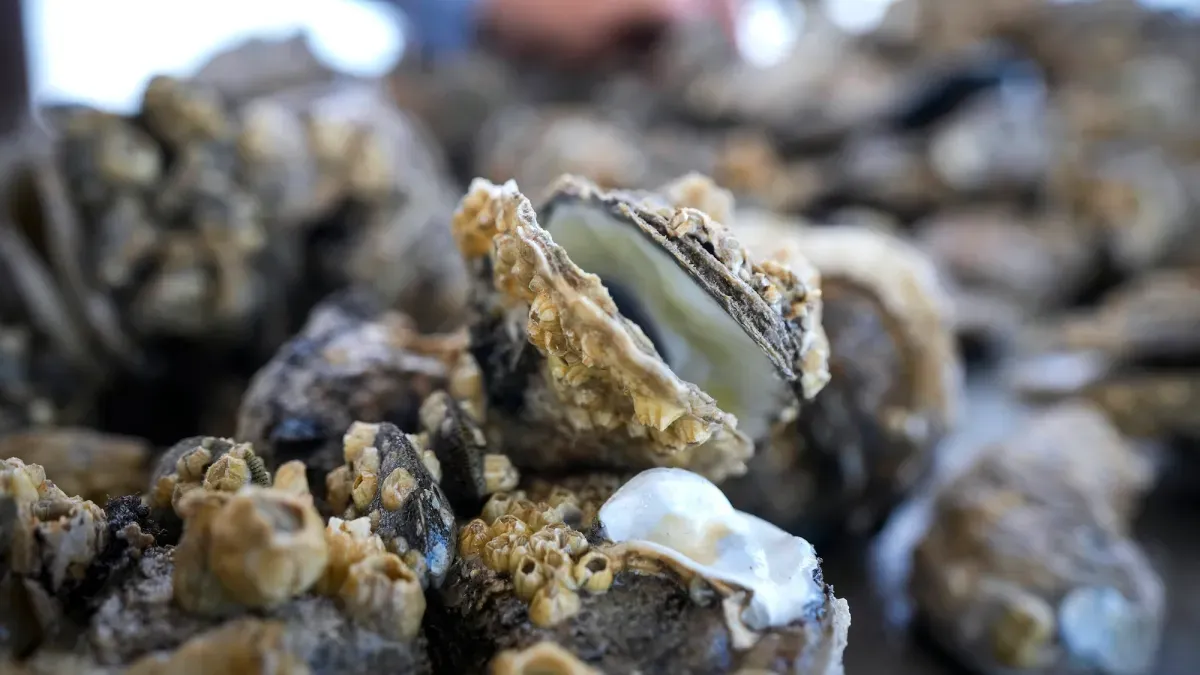
While some are returning ancient treasures, others are looking at what we’ve discarded more recently and seeing untapped potential. Italian researchers, for instance, have figured out how to turn demolished buildings into new, stronger ones. Instead of sending construction waste to landfills, scientists from the University of Cagliari and Politecnico di Milano are literally rebuilding with it. Meanwhile, on a slightly less grand, but equally ingenious scale, other researchers found that adding oyster shells to concrete can make it 10 times stronger and greener. Considering concrete production accounts for 8% of global CO2 emissions, this isn't just a neat trick; it's a significant step towards a circular economy for one of our most ubiquitous materials. This means that if you've been worried about the sheer volume of waste humanity produces, this week offered tangible solutions that are literally building a better future.
Solving Unsolvable Problems with a Bit of AI and a Lot of Wit
And finally, the theme of repurposing extends beyond physical objects to intellectual challenges. Scientists at Penn developed a smarter AI method to tackle notoriously difficult inverse equations. These are the problems where you know the outcome but need to figure out the hidden causes—like trying to un-ring a bell. By introducing "mollifier layers" to smooth out noisy data, they've made these calculations far more stable and accessible. It's a classic case of taking an old, seemingly intractable problem and finding a fresh, intelligent approach to break it open. This means that even the most stubborn scientific roadblocks are becoming less daunting, thanks to clever new tools.
Hope stat: 14 million — dollars worth of ancient artifacts just made their way home to India.
Watch this space: Keep an eye on how these recycled building materials move from labs to large-scale construction projects.