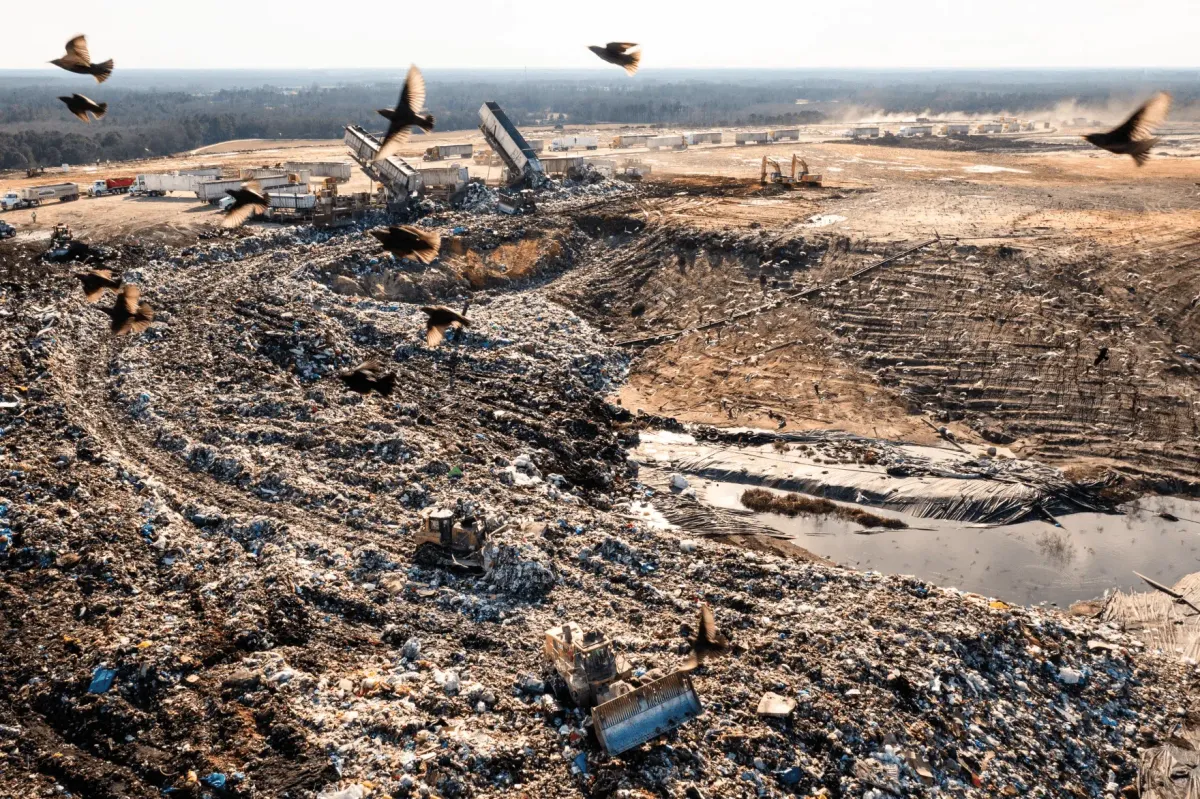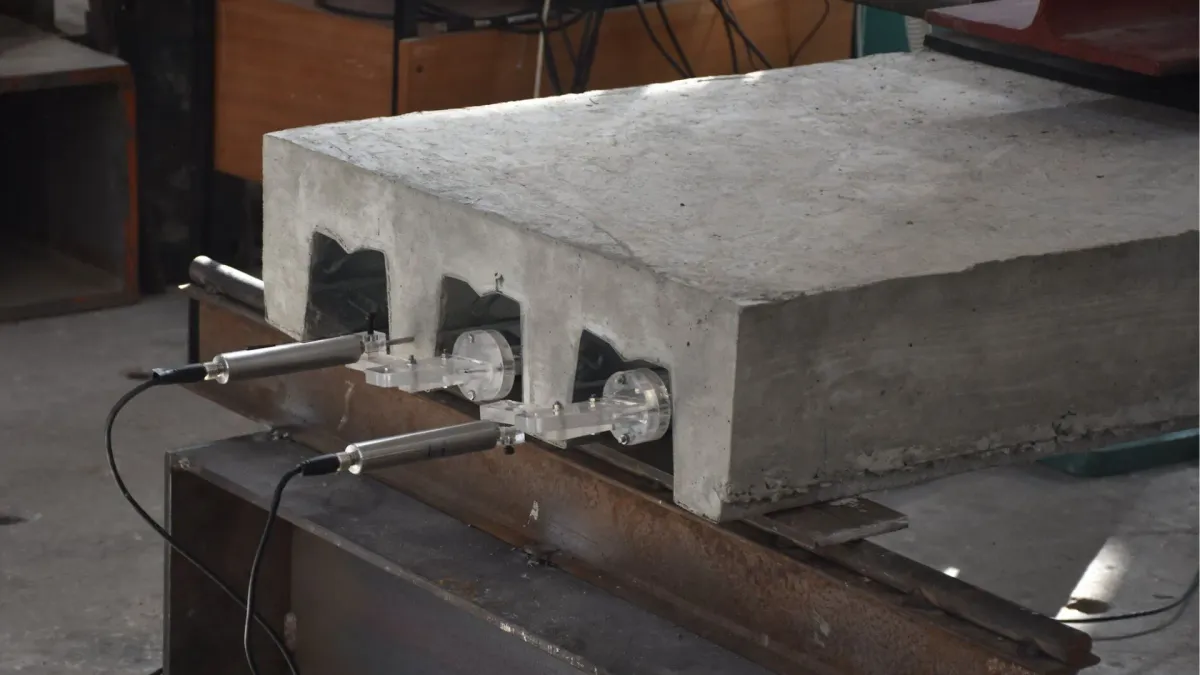
Turns out, you can teach an old building new tricks. Or, rather, build a new one from the old one. Italian researchers have figured out how to take the rubble of demolished structures and transform it into floor slabs just as strong — if not stronger — than the virgin stuff.
Because apparently, that's where we are now: literally eating our own architectural waste.
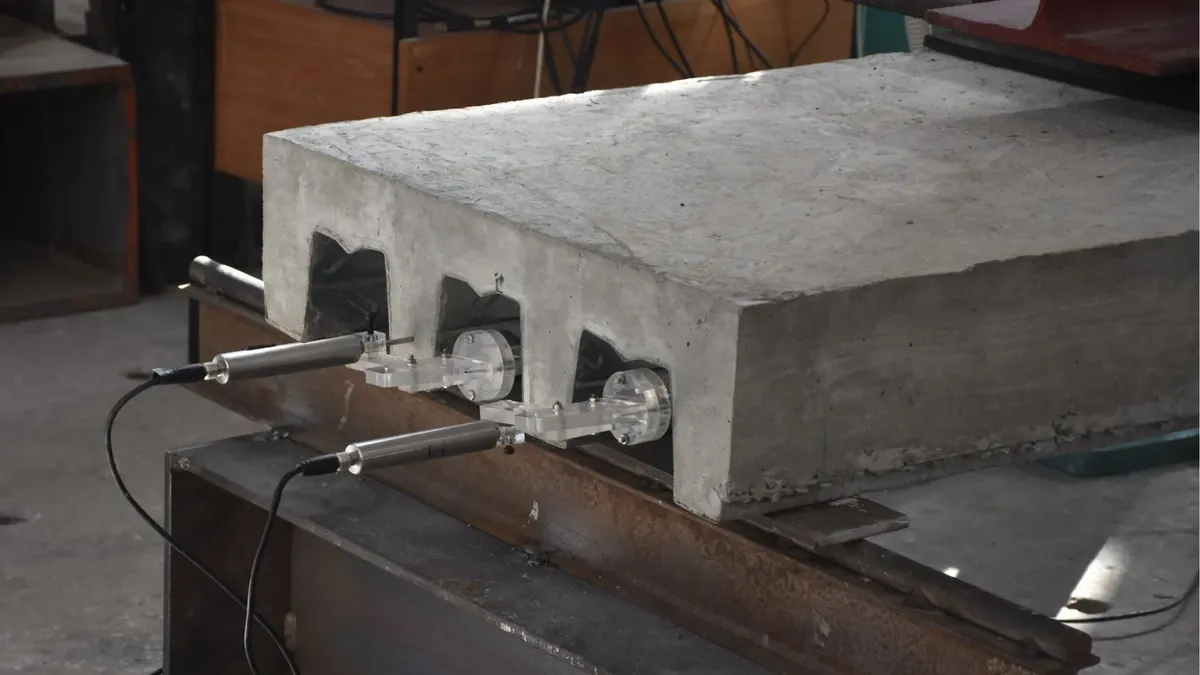
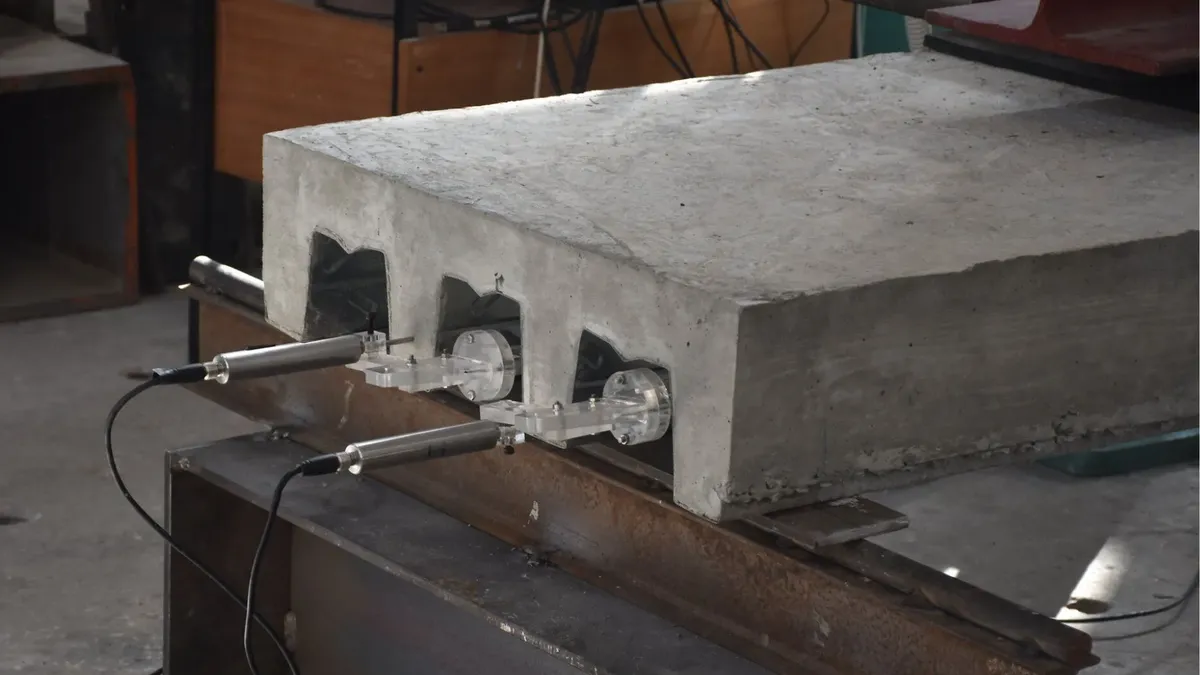
The project, dubbed Steel And Recycled Concrete Slab (SARCOS), hails from the University of Cagliari and Politecnico di Milano. Their mission? To take what's left after a building gets the wrecking ball treatment and forge it into high-quality, 100% recyclable floor slabs. Think of it as the ultimate glow-up for concrete.
We're a new kind of news feed.
Regular news is designed to drain you. We're a non-profit built to restore you. Every story we publish is scored for impact, progress, and hope.
Start Your News DetoxThe Dirt on Dirt
Here’s the thing about concrete: it’s really picky about its sand. You can’t just grab any old desert dune; it needs the rough, angular stuff found in riverbeds. And we, as a species, have been grabbing a lot of it, leading to a global sand crisis that’s messing with our rivers and their ecosystems. It’s like the planet’s most mundane, yet utterly critical, resource shortage.
So, the SARCOS team decided to bypass the riverbed drama entirely. They combined recycled concrete with robust steel sheeting, creating a composite slab that, in full-scale tests, performed just as well as, or even better than, slabs made with brand-new concrete. Take that, conventional wisdom.
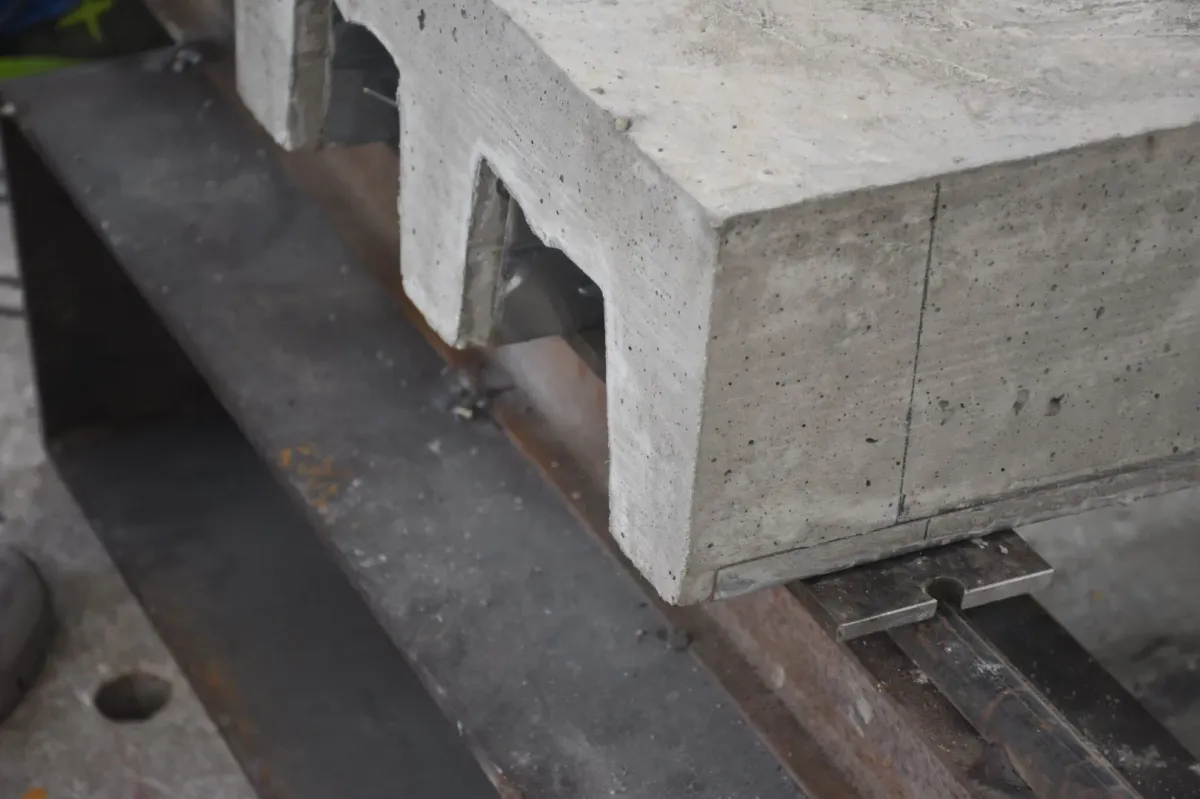
Flavio Stochino, a professor at the University of Cagliari, pointed out that while recycled concrete can sometimes underperform, the composite slab design actually boosted its capabilities. Which, if you think about it, is both impressive and slightly terrifying. We’re making stronger buildings out of yesterday’s trash.
A Circular Solution for "Ecomostri"
Marco Simoncelli, a researcher at Politecnico di Milano, highlighted the dual win: saving natural environments from aggressive dredging and debunking the myth that recycled concrete is somehow inferior. This isn't just about being eco-friendly; it's about being smart.
This circular economy model means the entire product is recyclable again at the end of its life. The steel gets melted down, the concrete gets re-crushed. It's a never-ending construction party where nothing truly dies, it just gets reborn as a slightly different floor. Simoncelli even suggested using rubble from “ecomostri”—environmentally damaging buildings—turning the monuments to bad design into the foundation for good ones. Plus, using local rubble cuts down on the carbon footprint of hauling heavy sand across continents.
So, the next time you see a building going up, consider this: it might not be a new structure at all, but rather a very clever reincarnation. And somewhere, a riverbed is breathing a sigh of relief.