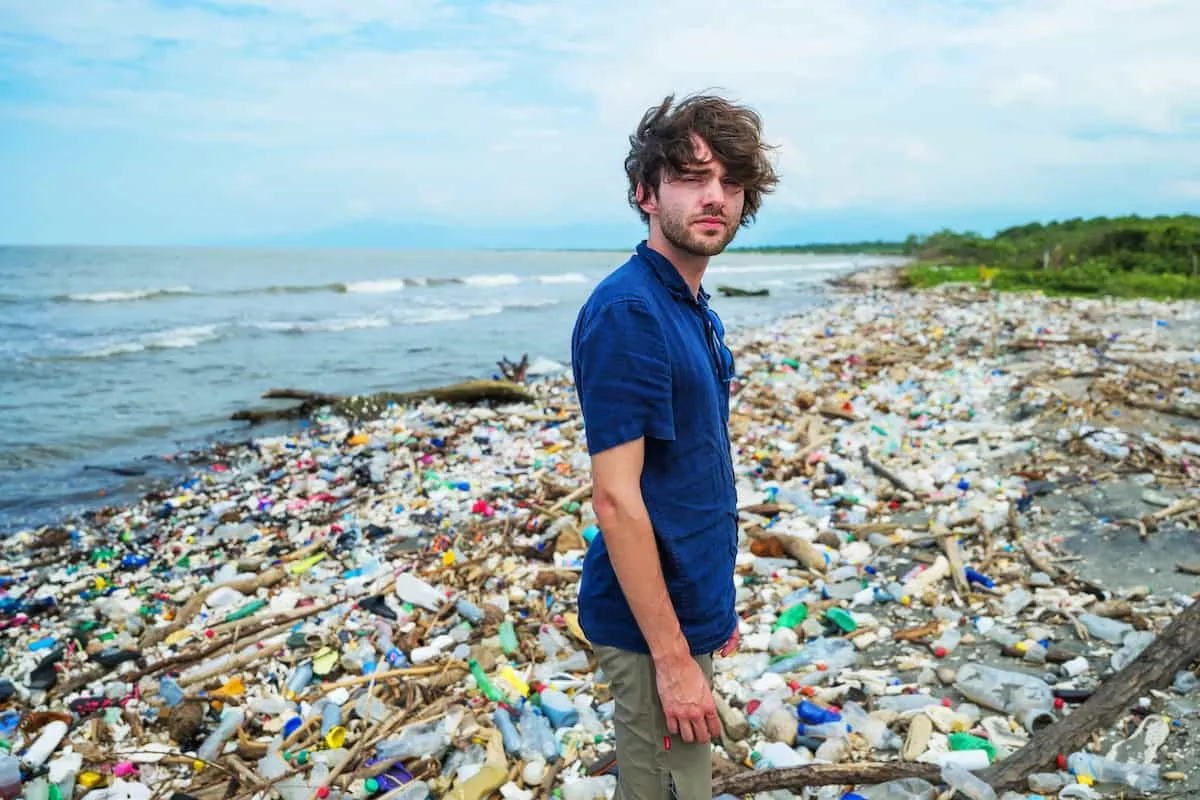
Remember when we all collectively decided the oceans were just going to be a permanent plastic soup? Well, a Dutch inventor named Boyan Slat would like a word. Specifically, he’d like to tell you that he plans to stop 90% of floating sea plastic by 2040, and he thinks it can be done for less than a billion dollars. Which, if you think about it, is both impressive and slightly terrifying given the scale of the problem.
Slat, who's now 31, dropped out of aerospace engineering over a decade ago to tackle this very specific, very global headache. His nonprofit, The Ocean Cleanup, isn't just dreaming big; they're already elbow-deep in rivers, which, it turns out, are basically highways for plastic heading straight to sea.
Their strategy involves deploying floating barriers that act like polite bouncers, gently corralling debris as it drifts downstream. Then, autonomous "interceptor" boats swoop in with conveyor belts to scoop up the plastic. Think of it as a very efficient, slightly futuristic river-cleaning service. These systems are already hard at work in places like Indonesia, India, and the Philippines.
We're a new kind of news feed.
Regular news is designed to drain you. We're a non-profit built to restore you. Every story we publish is scored for impact, progress, and hope.
Start Your News DetoxThe River Runs Through It
Here’s a fun fact that will make you raise an eyebrow: Slat says that if you target just 30 cities, you could prevent about a third of all plastic from ever reaching the ocean. He points out that Guatemala's Motagua river alone spews more plastic into the sea than all 38 OECD member countries combined. One river. Accounting for roughly 2% of global plastic emissions. Let that sink in.
The Ocean Cleanup team aims to hit these major pollution hotspots by 2030, a project Slat estimates will cost around $350 million. The grand finale? Stopping 90% of all floating plastic pollution from making it to the sea by 2040, and then tackling the plastic that’s already out there, like the infamous Great Pacific Garbage Patch.
So far, Slat's organization reports removing nearly 50 million kilograms of plastic waste. He told The Times that the world desperately needs a success story, especially for a generation that’s feeling a bit… well, pessimistic. Imagine explaining to future kids that the oceans used to be full of plastic, and then we just… solved it. Now that's a story worth telling.