Concrete: It builds our world, but also pumps out a staggering 8% of global CO2 emissions annually. That's a lot of planet-warming gas just to keep our buildings standing. Scientists have been scrambling for eco-friendlier recipes, tossing in everything from coffee grounds to, yes, recycled diapers. Because apparently that's where we are now.
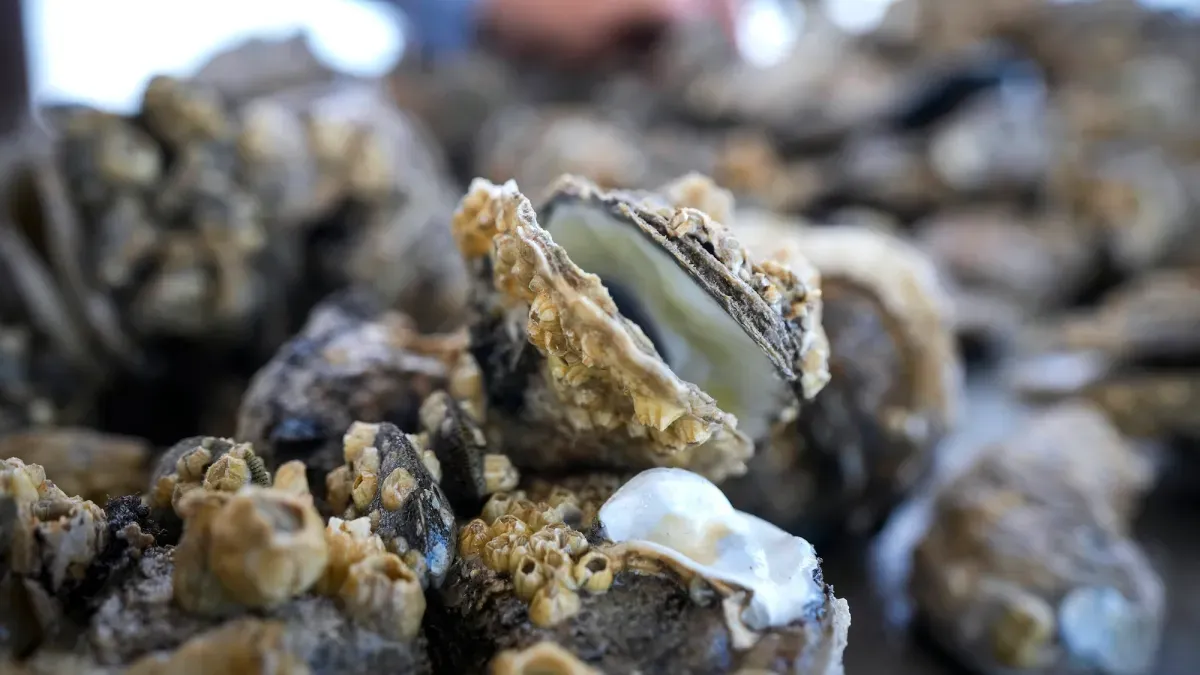
But engineers at Purdue University decided to look for a solution that's been doing its thing for millennia: oysters. Specifically, the natural cement oysters use to stick themselves to, well, everything.
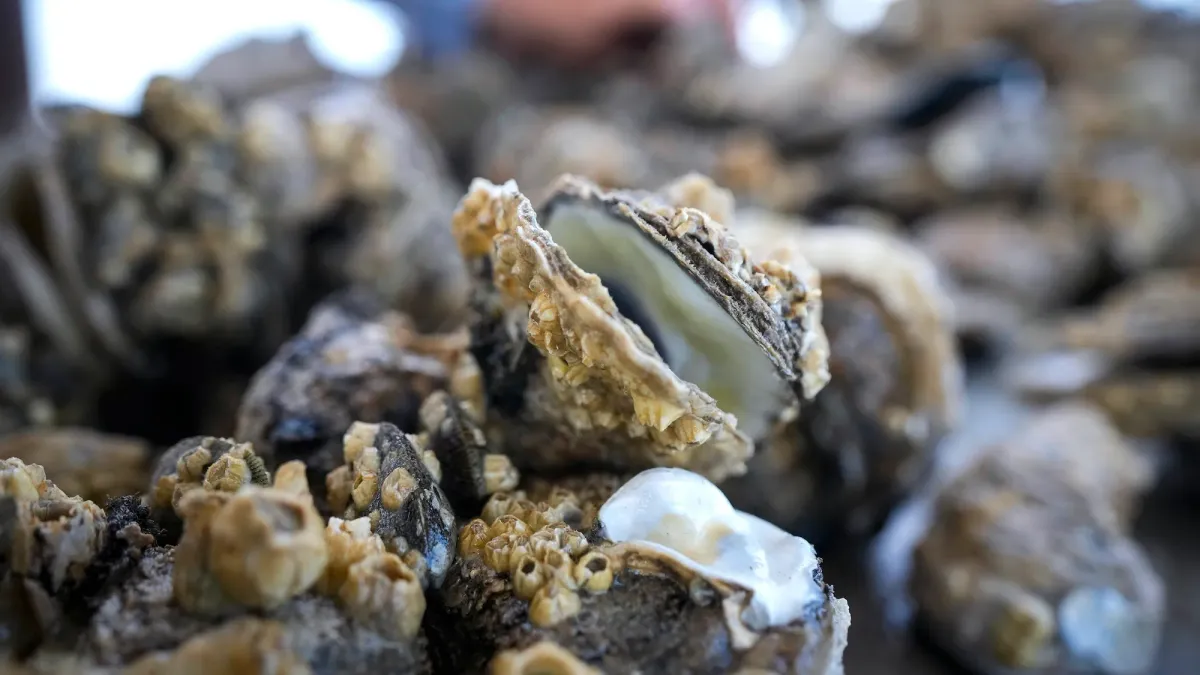
Jonathan Wilker, a chemist and co-author of a study in Chemistry of Materials, has been studying this mollusk-made superglue for years. Oysters basically create their own calcium carbonate (fancy chalk) and then mix in tiny amounts of phosphorylated proteins. These proteins are the secret sauce, making the whole concoction incredibly sticky, even underwater. Which, if you think about it, is both impressive and slightly terrifying.
We're a new kind of news feed.
Regular news is designed to drain you. We're a non-profit built to restore you. Every story we publish is scored for impact, progress, and hope.
Start Your News DetoxWilker's team reverse-engineered this natural adhesive in the lab. They then glued stacks of limestone tiles together with their oyster-inspired concoction. The result? The tiles themselves broke before the glue ever did. Let that sink in.
Confident in their new super-binder, they added a polymer derived from their oyster cement to a standard concrete mix. The lab results were, shall we say, concrete-shattering. Their oyster-infused concrete was 10 times stronger, had double the compressive strength, and cured faster. Because who doesn't love a faster, tougher, more eco-conscious building material?

Wilker notes that this new blend isn't just a win for construction; it's a win for the environment. Most commercial glues are petroleum-based, meaning more fossil fuels. Oysters, on the other hand, just need some water and a good reef to call home. Turns out, nature's got some pretty sticky solutions.