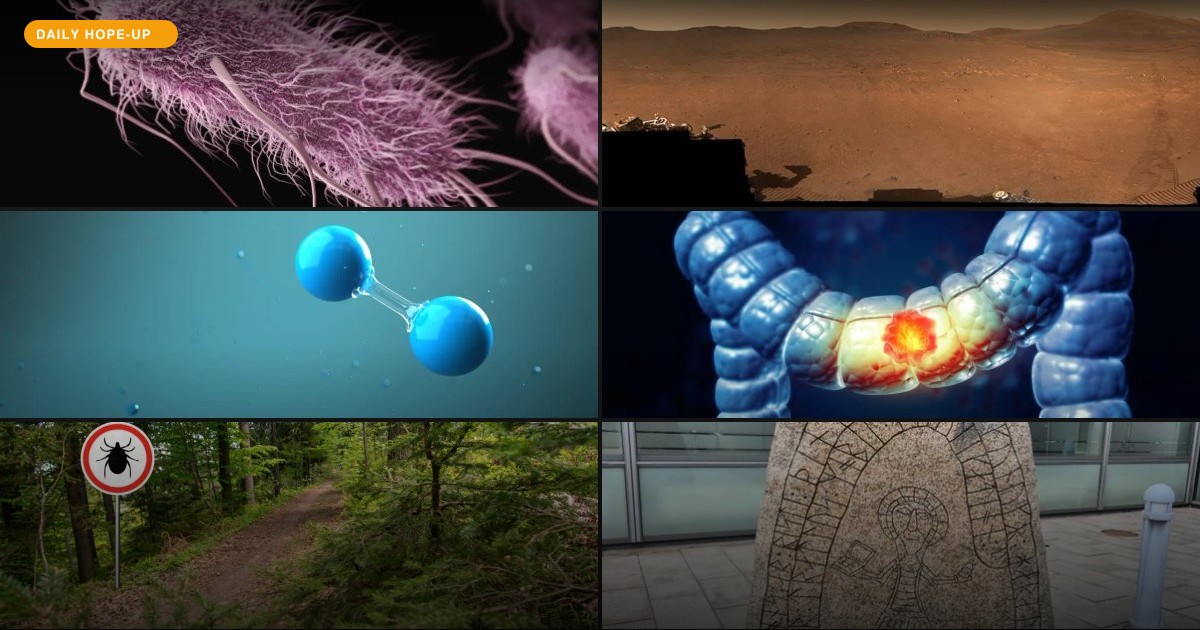
Today felt like a day for pushing boundaries, both on Earth and a few million miles beyond. From fundamental biological rewrites to ambitious infrastructure, it seems the default setting for progress has been nudged from 'incremental' to 'audacious.'
The Very Fabric of Life is Up for Debate
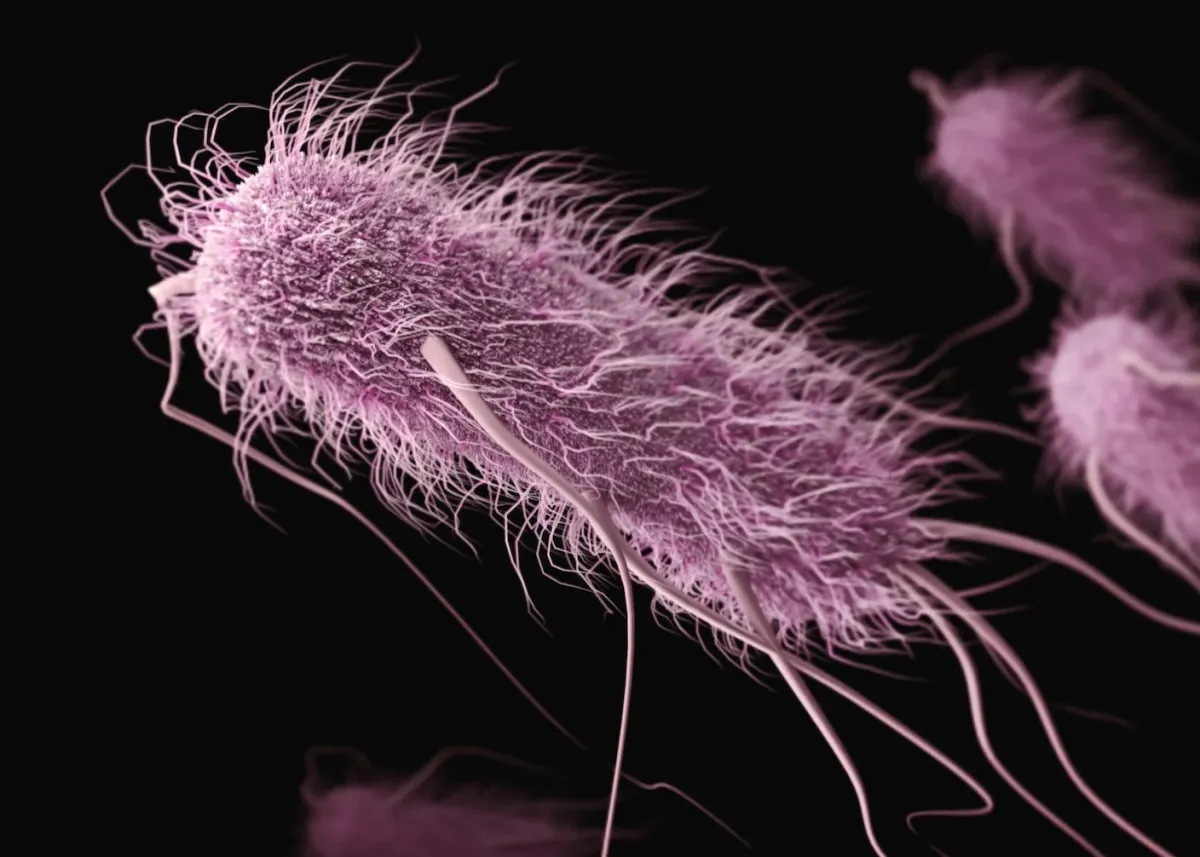
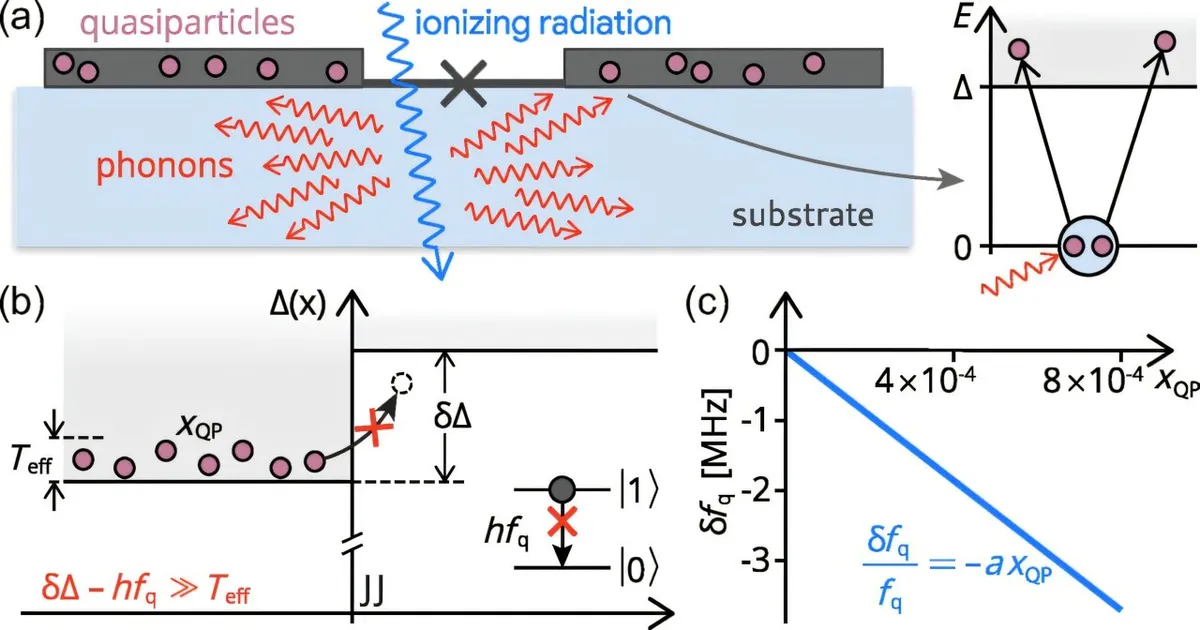
Imagine taking the instruction manual for life as we know it and simply deleting a page. That's essentially what scientists at the Medical Research Council Laboratory of Molecular Biology in Cambridge just did. They rewrote life's instruction manual, deleting an amino acid in synthetic bacteria. For context, all known life on Earth uses 20 amino acids. These new bacteria, called Ec19, thrived for hundreds of generations with only 19. It's a bit like discovering a car can run perfectly well with one less essential part, only this car is a living organism. Meanwhile, on the quantum front, scientists are proposing an experiment where time itself can be in two places at once, which sounds less like science and more like a choose-your-own-adventure novel. These aren't minor tweaks; they're fundamental challenges to our understanding of reality. If you thought you had a handle on how the universe works, this week just added a few intriguing footnotes.
"The coral had been declared dead in 2019. Five years later, it's not just alive — it's spawning." — Read the full story
Wait—What is Brightcast?We're a new kind of news feed.
Regular news is designed to drain you. We're a non-profit built to restore you. Every story we publish is scored for impact, progress, and hope.
Start Your News Detox
Infrastructure That Thinks Big (and Green)
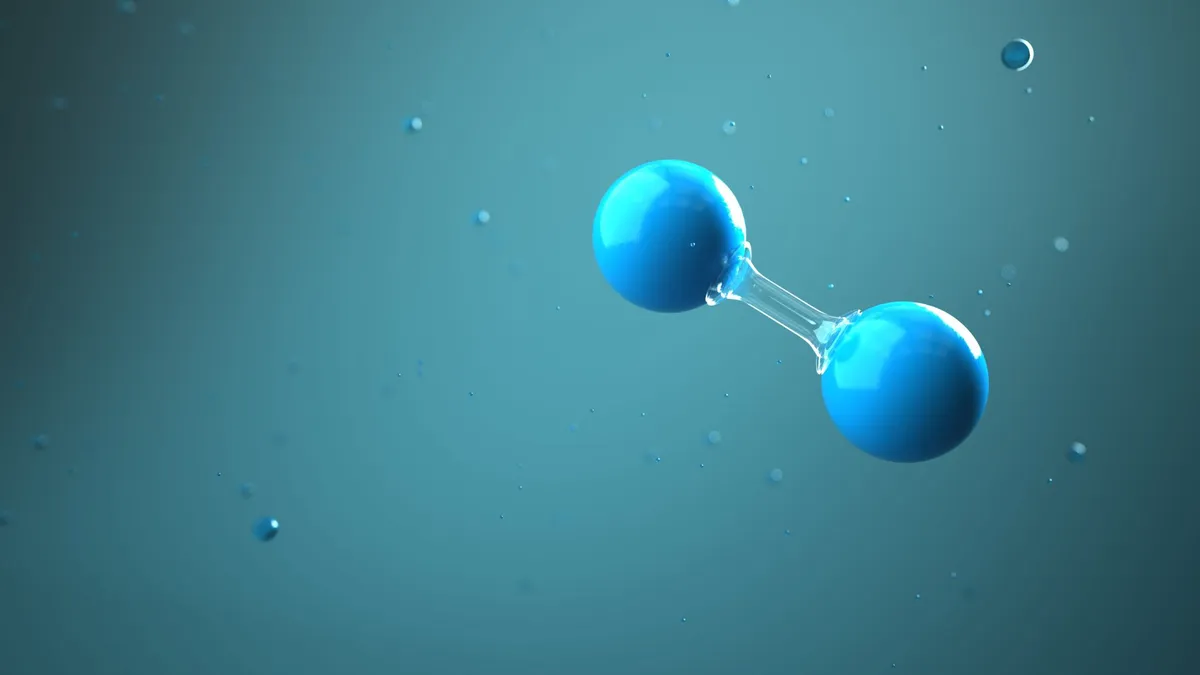
While some minds were busy deleting amino acids, others were focused on building — and building big. China’s operational green hydrogen capacity just blew past a million tons. That's not just a number; it's a doubling of their capacity in a short span, with another 900,000+ tonnes under construction. It signals a serious commitment to scaling up clean energy, moving beyond pilot projects to industrial-level transformation. And speaking of scale, in Texas, Blue Energy and GE Vernova are planning a 2.5-gigawatt gas and nuclear plant designed to power the insatiable hunger of AI and advanced manufacturing. 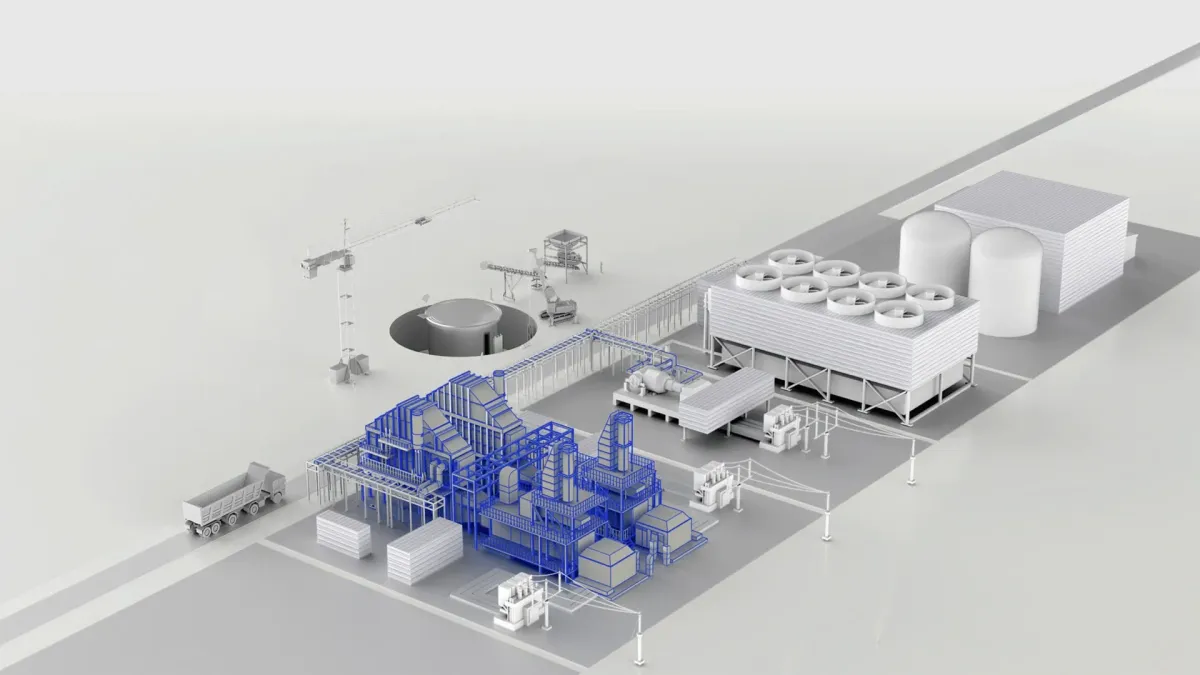 This isn't just about meeting demand; it's about reimagining how quickly we can deploy massive energy solutions. If you've been wondering if the world is serious about big energy shifts, these projects suggest a resounding yes.
Health Breakthroughs That Change the Odds
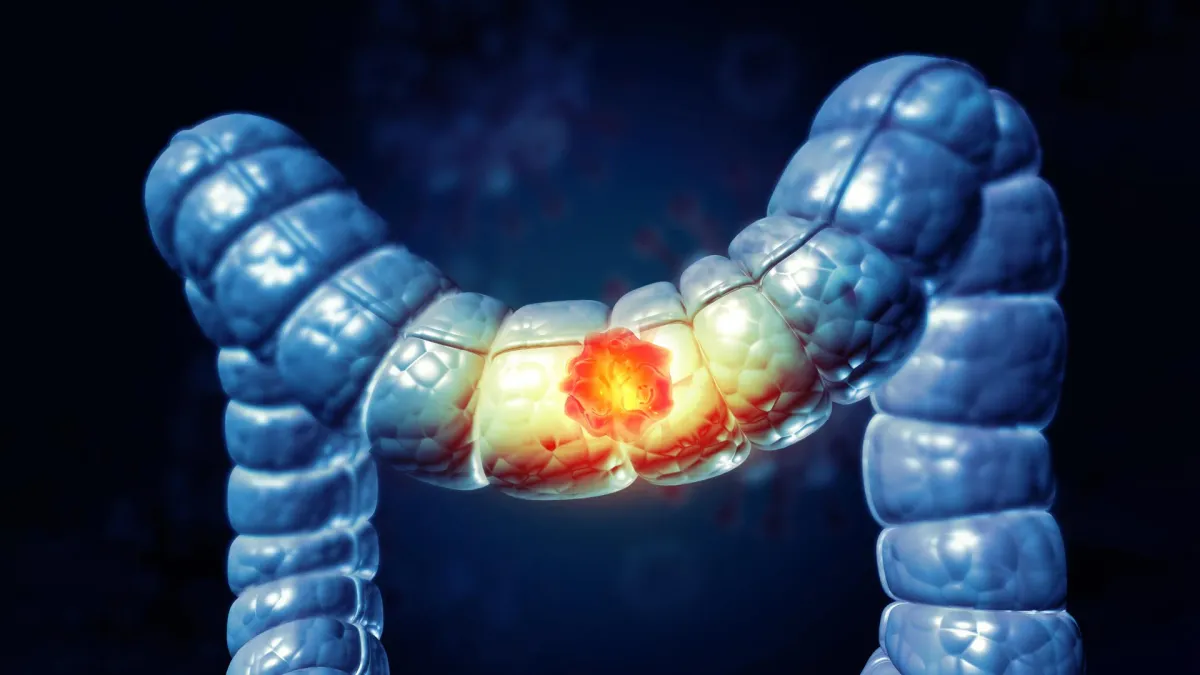
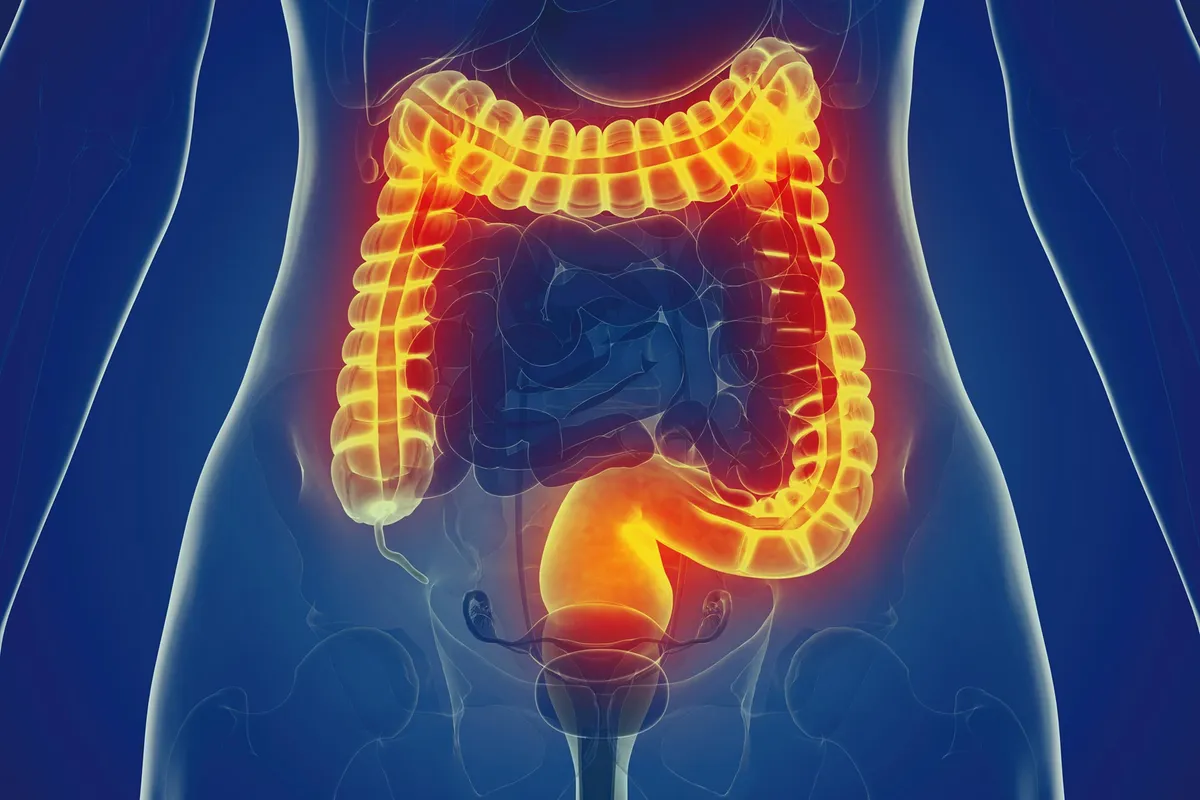
In the realm of personal well-being, this week brought news that could genuinely shift the odds for many. A nine-week treatment kept colon cancer away for nearly three years in a UK-led trial. That's a short burst of immunotherapy before surgery delivering remarkably long-lasting results for a specific type of colorectal cancer. It's a testament to how targeted interventions can make a world of difference. And for anyone who spends time outdoors, the news that a Lyme disease vaccine is closer than ever couldn't come soon enough, especially as tick populations seem to be enjoying a boom.  These aren't just incremental improvements; they're the kind of advances that fundamentally alter the landscape of disease prevention and treatment. If you've been hoping for concrete progress on common health anxieties, this week offered some substantial wins.
Hope stat: 250,000 — metric tonnes of green hydrogen China is now producing annually, with nearly a million more under construction. Watch this space: The continued scaling of green energy infrastructure globally, and how quickly it can adapt to emerging demands like AI.