For billions of years, every living thing on Earth has relied on 20 specific amino acids to build its proteins. Think of them as the 20 letters in life's instruction manual. Now, a team of scientists has successfully deleted one of those letters from the instruction manual of a bacteria. Because apparently, that's where we are now.
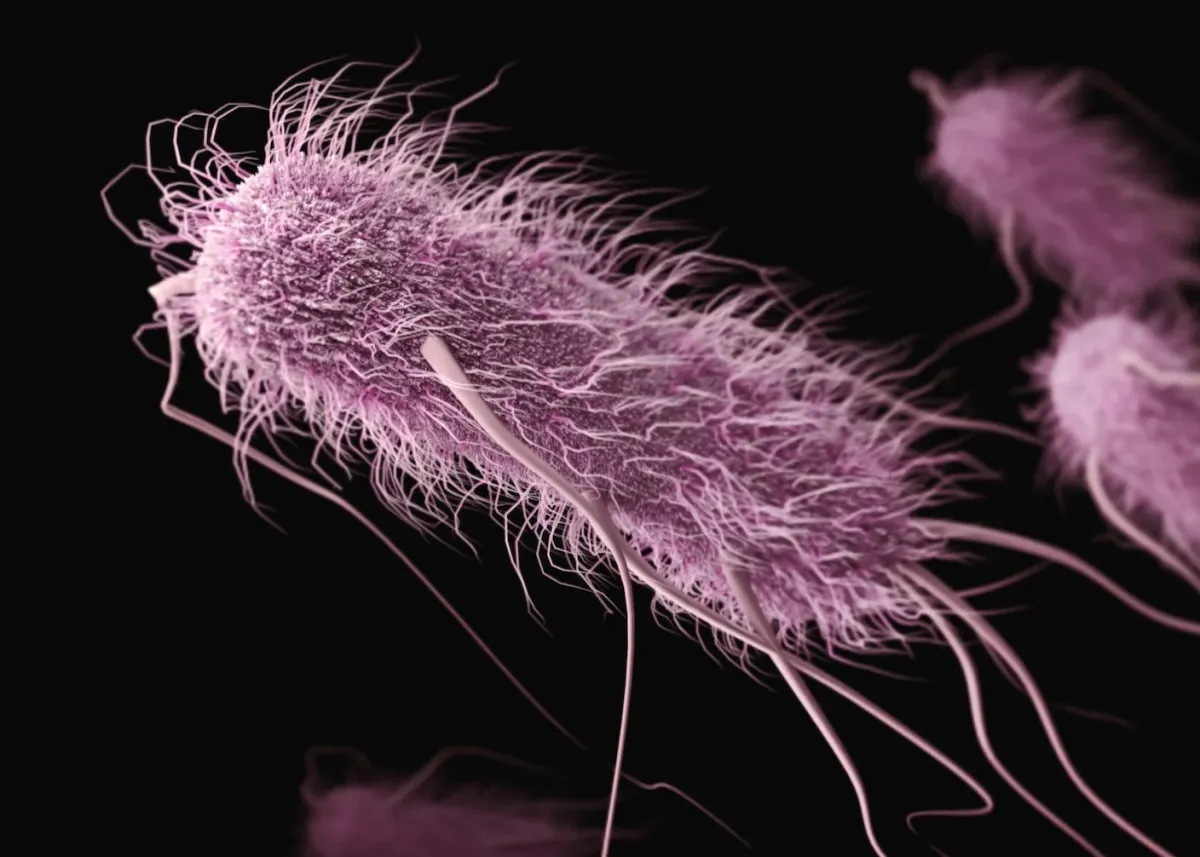
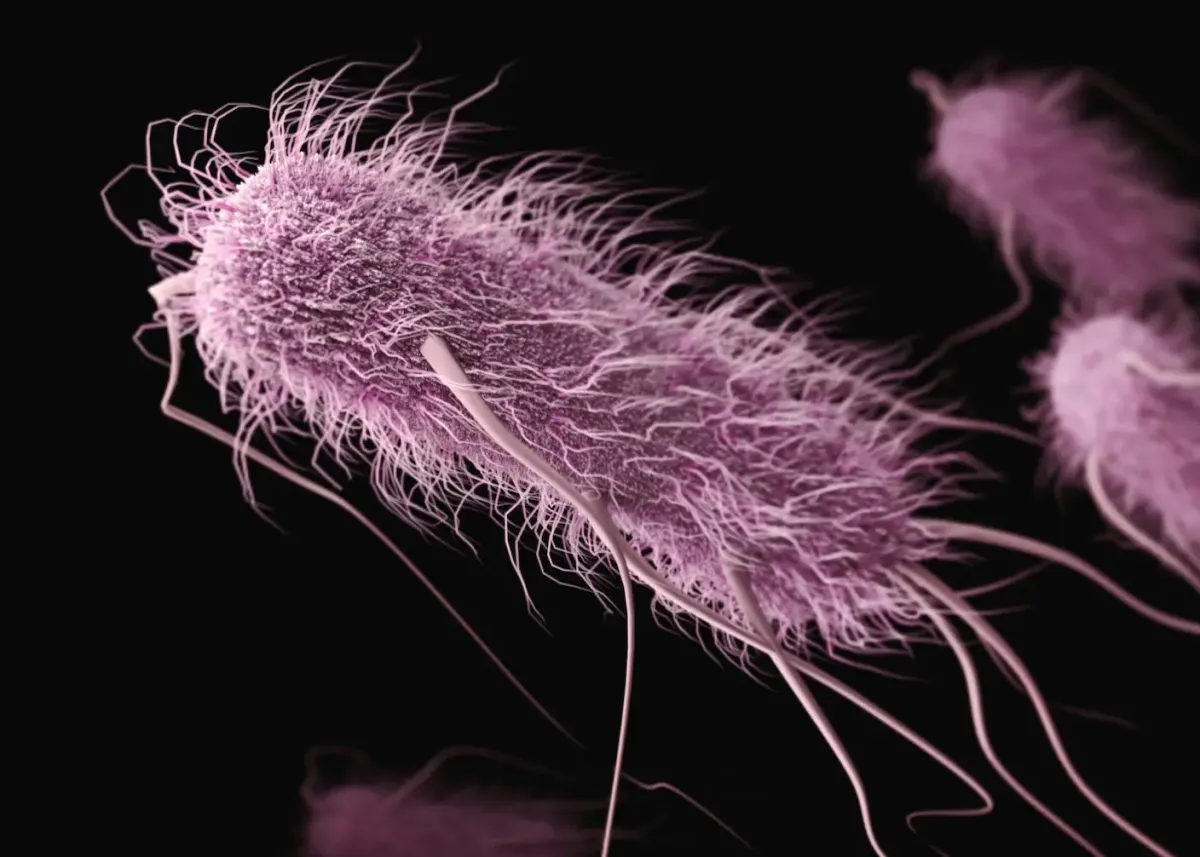
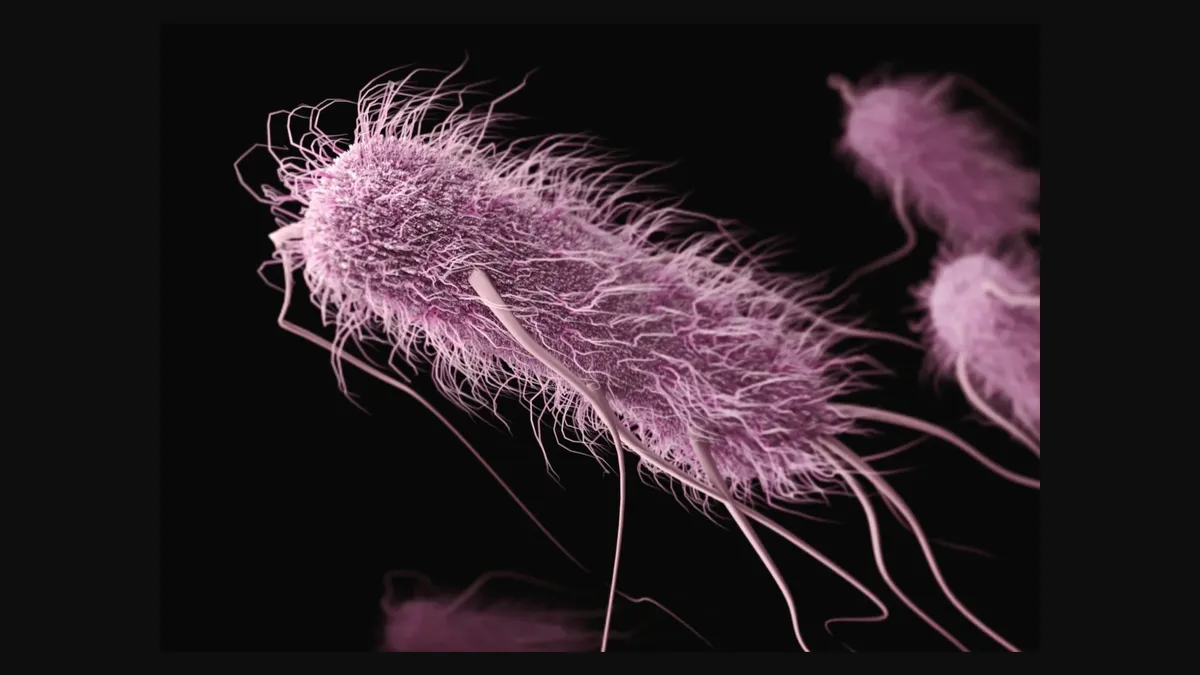
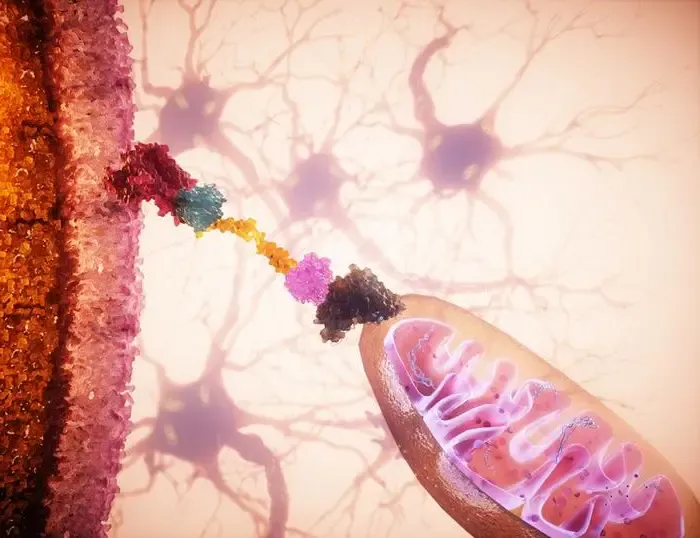
This isn't just a minor edit. This is like trying to write a novel without ever using the letter 'E' — a monumental undertaking. The team from Columbia University, with a little help from AI, managed to remove the amino acid isoleucine from the ribosomes of E. coli bacteria. Ribosomes, for the record, are the tiny cellular factories that translate genetic code into actual proteins. They're kind of important.
Cutting Life's Alphabet Down to Size
Scientists have been tinkering with life's fundamental rules for a while now. They've shrunk genomes, added entirely new, synthetic amino acids, and even built the precursors for 'mirror life' (which sounds like something out of a sci-fi movie). But changing the core set of 20 amino acids? That was the biological equivalent of rewriting the alphabet itself.
We're a new kind of news feed.
Regular news is designed to drain you. We're a non-profit built to restore you. Every story we publish is scored for impact, progress, and hope.
Start Your News DetoxEnter Ec19, the newly minted synthetic bacterium. This work isn't just a scientific flex; it could open doors for AI to design custom proteins and cells with entirely new abilities for medicine and biotech. Plus, it might offer some wild clues about how life first started on Earth, given some theories suggest early life might have operated with a smaller amino acid vocabulary.
The researchers started by scrutinizing nearly 400 essential E. coli proteins. They noticed isoleucine often had stand-ins, similar amino acids that could take its place without breaking the protein. This made isoleucine a prime candidate for deletion. The alternative? Editing over 81,000 changes across the entire E. coli genome. So, focusing on the ribosome, a complex structure made of 50 proteins, felt like the simpler option. Which, if you think about it, is both impressive and slightly terrifying.
Their initial attempts to swap out isoleucine's genetic codes with a substitute called valine were, shall we say, less than successful. Many of the 32 edited ribosome proteins either stalled growth or outright killed the bacteria. A bit of a dead end.
When AI Becomes Your Biological Co-Pilot
Facing a wall, the team did what any good scientist would do: they called in the bots. Similar to the AI models that power your favorite chatbots, these algorithms can learn from vast amounts of DNA and protein sequences. Then, they can suggest novel amino acid sequences and even predict how those sequences will fold into functional proteins.
The AI delivered. It cooked up creative, unexpected ways to replace isoleucine without obliterating protein structures. Sometimes, it even suggested changes in completely different parts of the genome to compensate for the amino acid swaps. The team then put these AI-generated designs through rigorous testing to see if the bacteria could actually survive and thrive.
Eventually, they landed on 47 working ribosome proteins that functioned perfectly fine without isoleucine. They then painstakingly tackled the final three, replacing amino acids one by one until they found a successful combination. Because science is nothing if not persistent.
This monumental effort resulted in Ec19, a single E. coli bacterium with 21 modified proteins and a ribosome completely recoded. Ec19 did grow a tad slower than its normal bacterial cousins but maintained its altered ribosome for over 450 generations. Let that satisfying number sink in.
This study is a massive leap toward creating living cells that can operate with just 19 amino acids. Removing isoleucine frees up its genetic codes, making them available for entirely new, custom-designed amino acids. Imagine: proteins with novel chemical properties for medicine, advanced materials, and biotechnology. It's a whole new alphabet for life.
Ec19 forces us to rethink what's truly essential for life. Was the molecular language we use just what evolution happened to settle on, or is it strictly necessary? As AI dives deeper into synthetic biology, progress will undoubtedly accelerate. But don't worry, human insight and a healthy dose of scientific curiosity are still crucial for making sure these biological designs actually work.