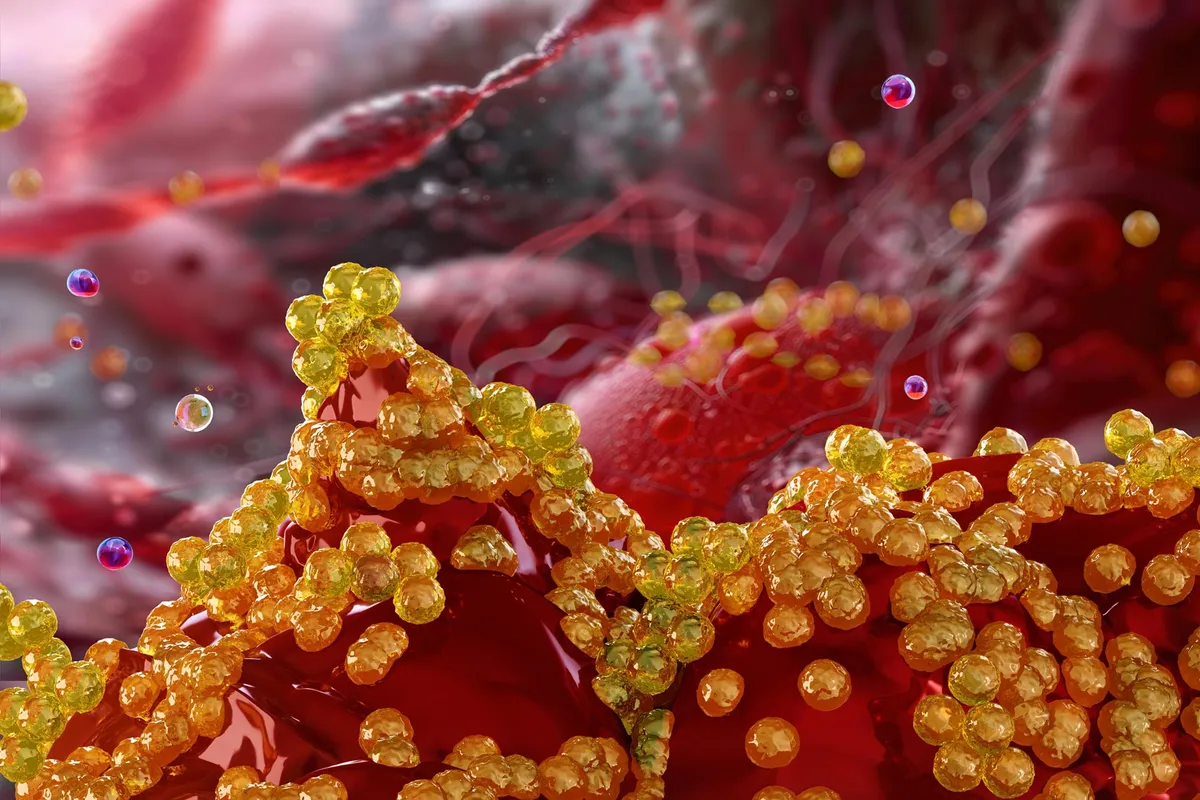
Drug-resistant bacteria are a growing problem in medicine. One of the most dangerous is Staphylococcus aureus, or "staph." This microbe often lives harmlessly on the skin. However, it can cause serious infections if it gets inside the body.
The most well-known form, MRSA (methicillin-resistant S. aureus), causes many deaths linked to antibiotic resistance. This is especially true for older adults and people with weak immune systems.
A New Way to Fight Superbugs
Instead of killing these bacteria, scientists are trying a new approach. They want to stop the bacteria from causing harm in the first place. Researchers at the University of Guelph have found compounds that prevent staph from sticking to human tissues. This is a crucial first step for infection to begin.
We're a new kind of news feed.
Regular news is designed to drain you. We're a non-profit built to restore you. Every story we publish is scored for impact, progress, and hope.
Start Your News DetoxDr. Georgina Cox, who leads the research, explained that antibiotics kill bacteria, which can lead to resistance. Anti-adhesives, however, disarm bacteria without killing them. This approach might limit how much bacteria develop resistance.
The team, including Dr. Allison Leonard, looked for "anti-adhesives." These compounds stop bacteria from attaching to surfaces in the body. This limits their ability to spread and cause infection.
Discovering a Natural Compound
The researchers tested nearly 4,000 compounds. They used a special screening method developed in Cox's lab and at McMaster University. These compounds included existing drugs and natural substances.
One compound, geranylgeranoic acid (GGA), stood out. GGA is a fatty acid found in plants like ginger and turmeric. It was shown to disrupt how bacteria cause disease. This includes their ability to infect, spread, and defend themselves.
GGA made it harder for bacteria to attach to human molecules, like proteins on the skin and in the bloodstream. It also interfered with the microbes' "sensing" system. This limited their ability to detect and react to their surroundings.
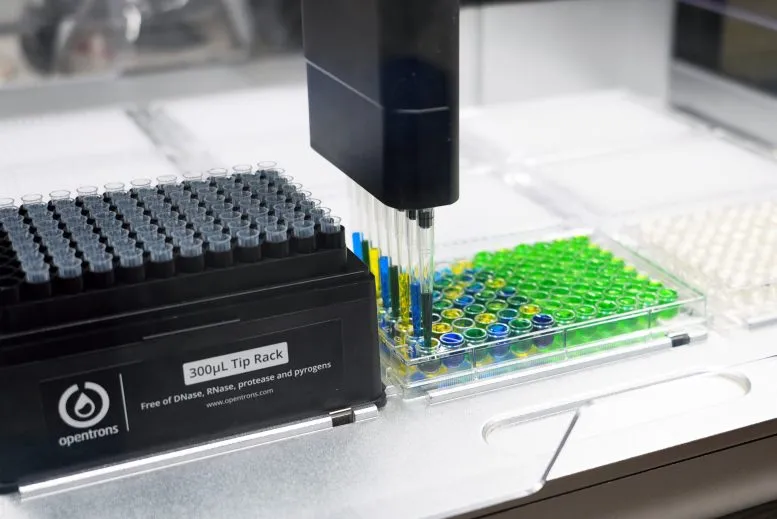
Dr. Cox noted that staph has many surface proteins that make it sticky. This compound interferes with several of them.
Promising Results and Future Steps
Working with researchers at Western University, the team tested GGA in mice. The compound prevented skin lesions caused by staph. It also reduced how severe existing infections were.
Anti-adhesives are a new area of research for treating antibiotic-resistant infections. Similar work is already in clinical trials in the United States. Researchers are studying blockers that prevent E. coli from attaching to the urinary tract. This helps prevent infection without antibiotics.
Dr. Cox believes anti-adhesives have great potential. She thinks we need more unusual ways to control bacteria than just killing them. She added that they might not replace classic antibiotics but are good alternatives to help.
Future studies will continue to test GGA in animals. Cox and her team are also looking at other fatty acids, like oleic acid in olive oil, for similar effects. They are also exploring how diet might help prevent or reduce bacterial infections.
Ruina Bao, a PhD student in Cox's lab, pointed out that GGA comes from turmeric and ginger. These are often used when people are sick. However, researchers stress that eating ginger or turmeric is not a substitute for medical treatment. More research is needed to find out how effective GGA is and what dose would be needed for treatment.
Deep Dive & References
An anti-adhesive compound modulating the production of Staphylococcus aureus cell wall-anchored proteins - Nature Communications, 2026